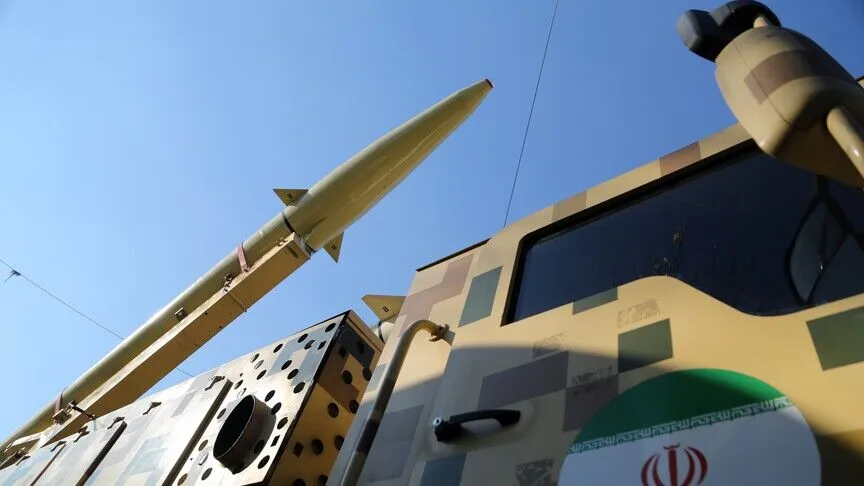
Jordanian air defense systems intercepted and shot down three ballistic missiles over its airspace, sources confirmed. The missiles, which had originated from Iran, were reportedly en route to targets in Israel when they were brought down by the Jordanian military. The interception occurred as part of a broader response to an airspace breach by projectiles launched from Iranian territory, which took place early Wednesday morning. This swift action by the Jordan Armed Forces showed their commitment to safeguarding the Kingdom's territorial integrity and national security against any aerial incursions.
Missile Interception Details
The missiles entered Jordanian airspace after being launched from Iranian territory, according to confirmed reports. Their trajectory clearly indicated a violation of Jordanian sovereignty, prompting an immediate and decisive response from the nation's defense forces. Following the interception, Royal Engineering Corps teams were deployed to manage the aftermath. The Jordan Armed Forces stated, "Royal Engineering Corps teams dealt with debris that fell in several locations." This operation involved clearing the sites where fragments of the intercepted projectiles landed within Jordanian borders, ensuring public safety and area security. The precise locations of the debris falls were not immediately disclosed, but the rapid deployment of specialized teams noted the military's preparedness to handle such incidents. The successful interception demonstrated the effectiveness of Jordan's air defense capabilities in neutralizing threats originating from beyond its borders.
Official Stance and Readiness
The interception operation resulted in no casualties or material damage, according to the Jordan Armed Forces. This outcome is a testament to the precision and efficiency of the defensive measures employed. The Armed Forces also stated, "The interception operation was carried out as part of approved operational and defensive measures to protect the Kingdom’s borders, airspace, and the security of its citizens." Jordan Armed Forces – Arab Army reject any violation of the Kingdom’s sovereignty or the use of its airspace in a manner that threatens its security and stability. "We reject any violation of the Kingdom’s sovereignty or the use of its airspace in a manner that threatens its security and stability," the Jordan Armed Forces affirmed, emphasizing their unwavering resolve.
The Armed Forces further declared their intent to take all necessary measures to protect the Kingdom’s sovereignty and preserve its national security without hesitation or delay. "We will take all measures necessary to protect the Kingdom’s sovereignty and preserve its national security without hesitation or delay," a statement from the Jordan Armed Forces read, signaling a firm stance against any future provocations. The military also confirmed its ongoing vigilance. "We continue to monitor Jordanian airspace and follow all developments with the highest levels of readiness and preparedness," the Jordan Armed Forces announced, reassuring the public of their constant vigilance. They added, "We will respond to any breach or threat to Jordanian airspace in accordance with the approved rules of engagement." This full readiness ensures that any future threats will be met with a proportionate and effective response, maintaining the security and stability of the Hashemite Kingdom.
Broader Context and Implications
The incident involving the interception of Iranian-launched missiles occurred early Wednesday morning, marking a significant event in regional security dynamics. The Jordan Armed Forces reiterated its commitment to national security by stating that it will respond to any breach or threat to Jordanian airspace. This response will be carried out in accordance with the country's approved rules of engagement, which dictate the protocols for defending national airspace. The military's firm stance shows its determination to safeguard its territory and citizens from potential aerial threats, regardless of their origin or intended target. This posture is consistent with previous statements emphasizing the protection of the Kingdom's sovereignty and stability, reinforcing Jordan's role as a bulwark of regional security. The successful interception sends a clear message about Jordan's capacity and willingness to defend its airspace and national interests.