Iranian state television reported Wednesday that the country's army and Revolutionary Guards launched separate attacks on US targets in Jordan and Kuwait. These reported strikes represent a significant escalation in regional tensions. The attacks occurred after US forces reportedly conducted operations against the Islamic republic, according to the Iranian reports. The report, dated July 15, 2026, originated from Tehran and was disseminated via state media.
Specifics of the Strikes
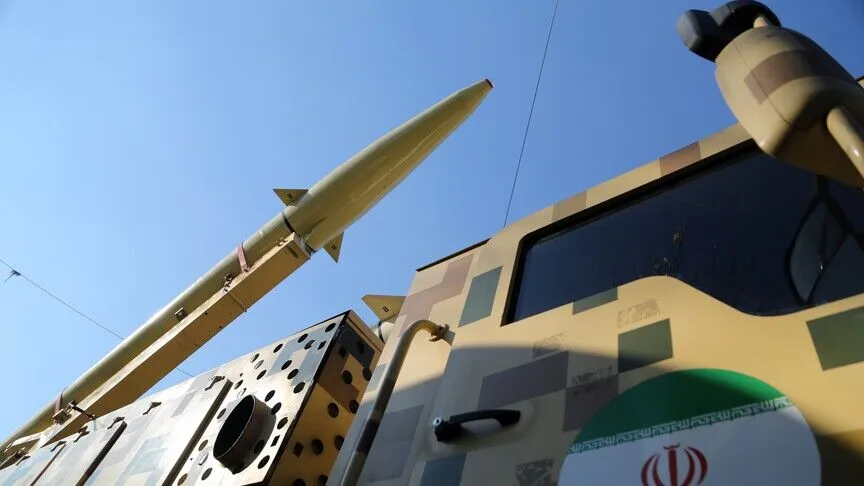
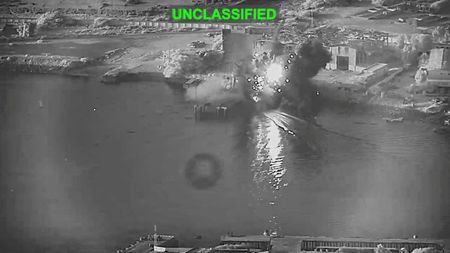
Iran's army reportedly targeted the Al-Azraq base in Jordan using drones, according to state television IRIB. This specific targeting of an established US military installation in Jordan notes the precision claimed by Iranian forces. Concurrently, the Islamic Revolutionary Guard Corps (IRGC) announced that it had fired cruise missiles at a US military logistics centre located at Mina Abdullah in Kuwait. The use of cruise missiles against a logistics hub suggests an attempt to disrupt supply lines and operational capabilities of US forces in the region. The Guards stated that these actions would continue "until the United States ends its acts of aggression." Both incidents were reported by Iranian state television on Wednesday, July 15, 2026, originating from Tehran. The reports specified the type of weaponry used and the particular US installations that were the subject of the strikes in the respective countries, providing details on the nature of the alleged attacks. The targeting of two distinct US military sites in separate countries shows the breadth of the reported Iranian response.
Context and Justification
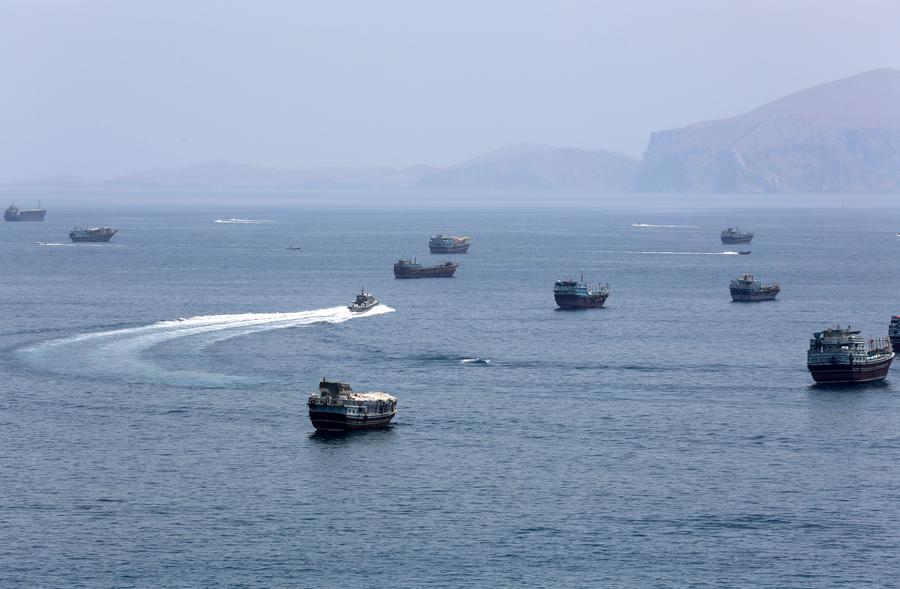
Iranian state television also reported that the Hormuz Strait would remain closed. This closure is intended to stand "until the United States ends its acts of aggression," according to a statement attributed to the Guards. The declaration from Tehran on Wednesday, July 15, 2026, linked the strait's status directly to the ongoing military engagements. This condition, as articulated by the IRGC, establishes a clear demand for the cessation of US military activities directed against Iran. The Guards' assertion implies a broader strategy beyond the drone and missile strikes in Jordan and Kuwait, tying regional maritime access to US actions. The statement shows the conditions under which Iran indicates it would cease its current military posture, presenting a clear ultimatum. The reported attacks and subsequent declaration from Tehran indicate a measured, yet firm, response to perceived US aggression.
Hormuz Strait Threat
Iranian state television reported that the Hormuz Strait would remain closed, a measure intended to persist "until the United States ends its acts of aggression." This declaration from Tehran on Wednesday, July 15, 2026, directly linked the strait's status to ongoing military engagements. The Islamic Revolutionary Guard Corps (IRGC) statement implies a broader strategy beyond the drone and missile strikes in Jordan and Kuwait. This condition ties regional maritime access to the actions of the United States. The Guards' assertion shows the specific terms under which Iran indicates it would cease its current military posture. The closure of the Hormuz Strait, a critical international shipping lane through which a significant portion of the world's oil supply passes, represents a significant escalation in the reported tensions between Iran and the United States. This move follows the reported attacks on the Al-Azraq base in Jordan and the US military logistics centre at Mina Abdullah in Kuwait. The explicit linkage of the strait's closure to US actions suggests a strategic maneuver to exert economic and political pressure. This development, reported by BSS/AFP from TEHRAN on July 15, 2026, notes the multifaceted nature of the current confrontation.