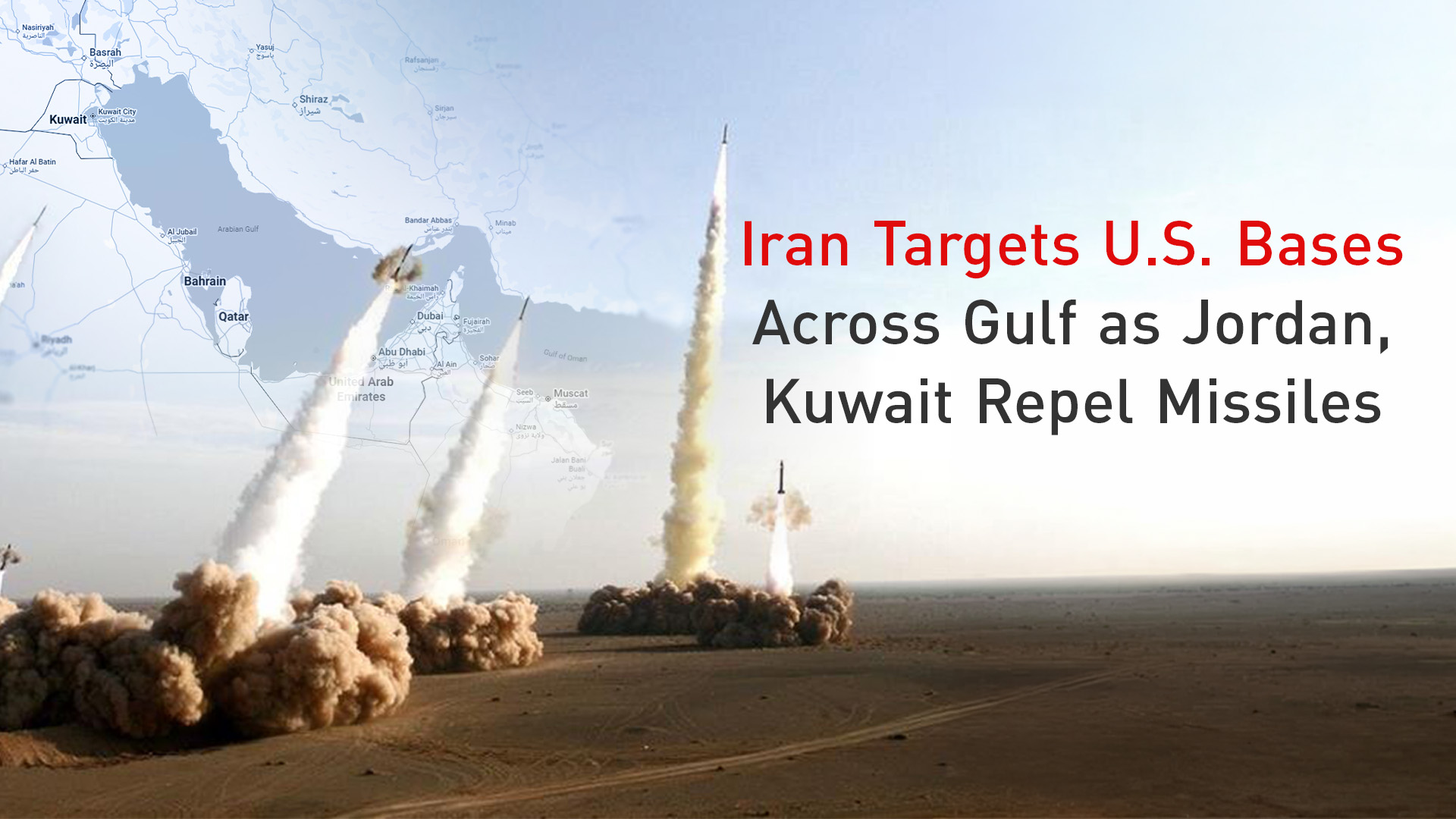
Iran launched ballistic missiles at a U.S. Air base in Jordan on Tuesday, July 14, 2026, amid escalating tensions. The precise location of the U.S. Air base in Jordan was a focal point of the Iranian attack, showing the direct nature of the confrontation. Following this significant military action, Brent crude futures surged by 5%, reaching $87.49 per barrel on the same day. This sharp increase in oil prices immediately intensified concerns over global oil supply routes, particularly those transiting the critical Strait of Hormuz. The U.S. Navy-led Joint Maritime Information Center subsequently announced that a blockade of the Strait of Hormuz would take effect at 2000 GMT on Tuesday, July 14, 2026, further exacerbating the situation and signaling a significant escalation in maritime control measures.
Escalating Attacks and Blockade
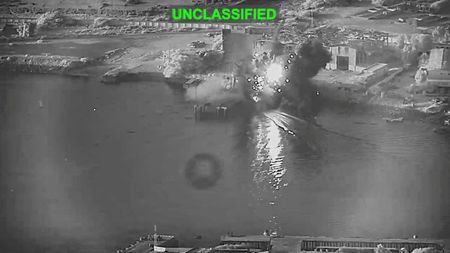
The United States responded to the missile attack by conducting extensive attacks on Iranian targets for five hours, according to various reports. These retaliatory strikes marked a significant escalation in the ongoing conflict between the two nations, demonstrating a strong and immediate U.S. Military response. Concurrently, U.S. President Donald Trump reinstated a blockade of Iranian shipping, a move designed to exert economic pressure on Iran and restrict its maritime activities, particularly its ability to export oil and other goods through international waters. This reinstatement of a blockade notes a return to stricter enforcement measures against Iranian vessels.
Jordan's armed forces were quick to react to the incoming threats, stating that their air defense systems had successfully intercepted and shot down four missiles. These missiles were definitively identified as having entered Jordanian airspace, showing the direct nature of the Iranian aggression and the immediate threat to regional stability. The swift interception by Jordanian forces noted the preparedness of regional defenses in the face of heightened tensions, preventing potential damage or casualties within Jordanian territory. This defensive action provided a key counterpoint to the initial Iranian strike.
Iranian media outlets provided their own account of the unfolding events, reporting extensively on the U.S. Strikes. These reports indicated that several Iranian cities had been targeted during the five-hour period of U.S. Military action, painting a picture of widespread impact within Iran. Iranian media stated that four individuals had sustained injuries as a direct result of these attacks, offering a glimpse into the human cost of the escalating conflict and the immediate consequences for the civilian population. These reports from Iranian sources offer a contrasting perspective on the intensity and effects of the U.S. Retaliatory operations.
Battle for the Vital Waterway
The current conflict has been characterized by some observers as a direct battle for control over the Strait of Hormuz, a critical maritime chokepoint. The strategic importance of this waterway cannot be overstated, as it serves as a key passage for a substantial portion of the world's energy supplies, making its control a critical geopolitical objective. Adding to the gravity of the situation, Iran announced on Saturday its unequivocal intention to close the strait, a move that would have profound implications for global trade and energy markets by severely disrupting the flow of oil and gas. This declaration from Iran marked a significant escalation in its threats to international shipping.
Before the recent escalation of this conflict, approximately a fifth of the world's daily oil and gas traffic traversed through the Strait of Hormuz. This daily passage delivered over 15 million barrels of fuel to global markets, showing its indispensable role in the international energy infrastructure and its direct impact on global fuel availability. Any disruption to this vital flow immediately sends ripples through the global economy, impacting energy prices and supply chains worldwide, as evidenced by the recent surge in crude oil futures. The sheer volume of traffic through this narrow passage makes any threat to its openness a global concern.
In response to the perceived threats to this key shipping lane, U.S. President Donald Trump has proposed implementing a 20% fee for safeguarding the vital waterway. Such a fee, if imposed by the United States, could potentially generate a substantial amount of revenue, estimated to be around $240 million each day, based on the volume of traffic and the proposed percentage. This proposal, however, has met with significant international scrutiny and opposition, particularly from organizations concerned with the principles of free navigation and the potential for such charges to impede international trade. The financial implications of such a fee are considerable, both for the imposing nation and for the global shipping industry.
Market Impact and Expert Views
The heightened geopolitical tensions and military actions have had an immediate and palpable effect on global energy markets. Oil prices recently reached four-week highs, reflecting the market's anxiety over potential supply disruptions and the instability introduced by the conflict. This surge marks the highest price point observed since June 12, indicating a significant upward trend driven by the instability in the Middle East and the direct threats to oil transit routes. Brent crude futures, a key international benchmark, gained 5% to hit $87.49 per barrel on Tuesday, July 14, 2026, directly following the initial Iranian missile strike and the subsequent U.S. Response. This sharp increase shows the market's sensitivity to events in the Strait of Hormuz and the immediate financial repercussions of military actions in the region.
Further compounding the concerns, the United Arab Emirates Ministry of Defence reported on Monday that Iranian missiles struck two Emirati oil tankers as they transited the Strait of Hormuz. This incident directly demonstrated the immediate danger posed to commercial shipping in the region, turning threats into tangible attacks on civilian vessels. Tragically, one Indian crew member was killed and eight others were wounded in the tanker incident, noting the human cost of the escalating conflict and the risks faced by mariners navigating these troubled waters. This direct attack on commercial shipping, impacting both vessels and personnel, intensified fears about the safety of maritime trade in the Strait.
The proposal by U.S. President Donald Trump to levy a 20% fee for guarding the Strait of Hormuz has drawn criticism from international bodies. The U.N. Shipping agency, a prominent voice in maritime affairs, has explicitly opposed any fees for straits used in international navigation. The agency firmly stated that there is no legal basis for mandatory tolls on such vital international waterways, emphasizing the principle of freedom of navigation and the potential for such fees to disrupt global commerce. This stance from the U.N. Shipping agency adds another layer of complexity to the ongoing diplomatic and economic challenges surrounding the Strait of Hormuz, as it directly challenges the legality and precedent of such a charge. The implications for international law and maritime trade remain a critical point of discussion amidst the escalating military confrontation, with global bodies advocating for established norms over unilateral fees.