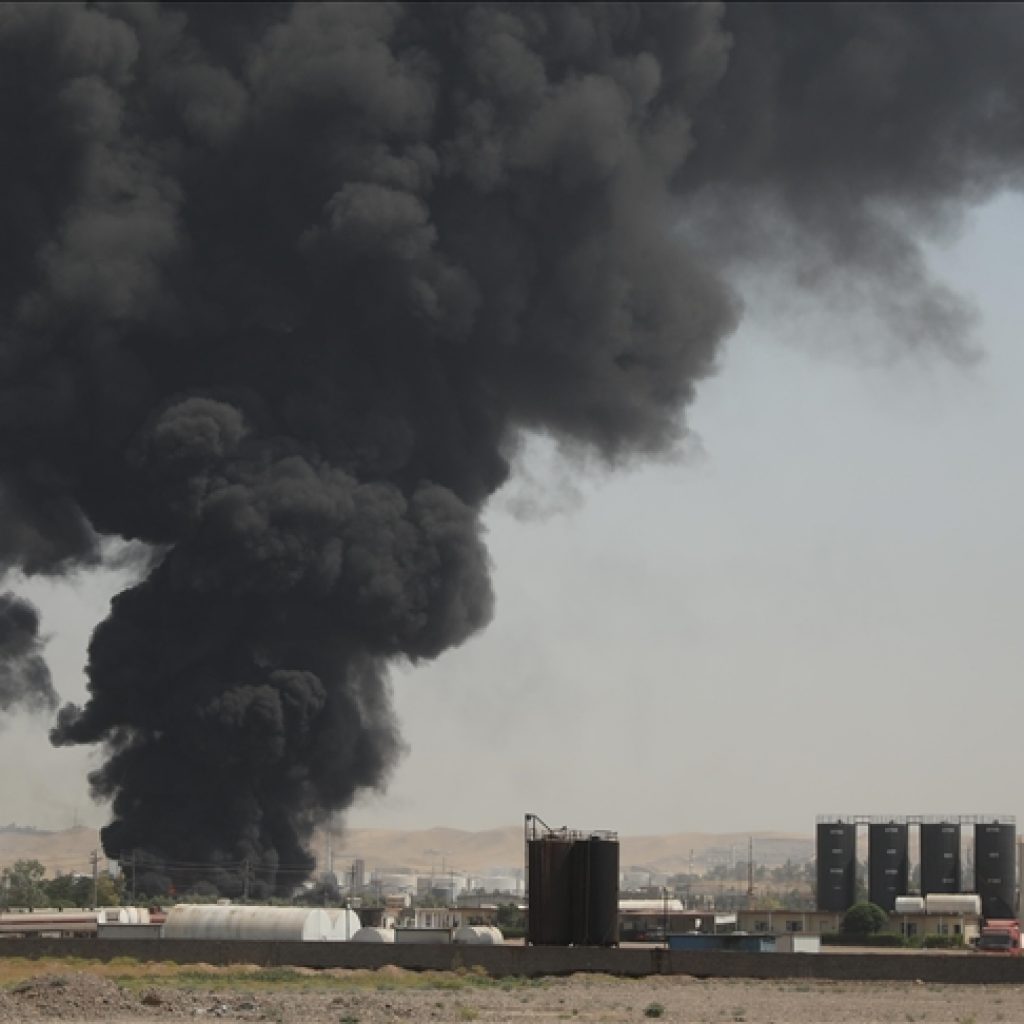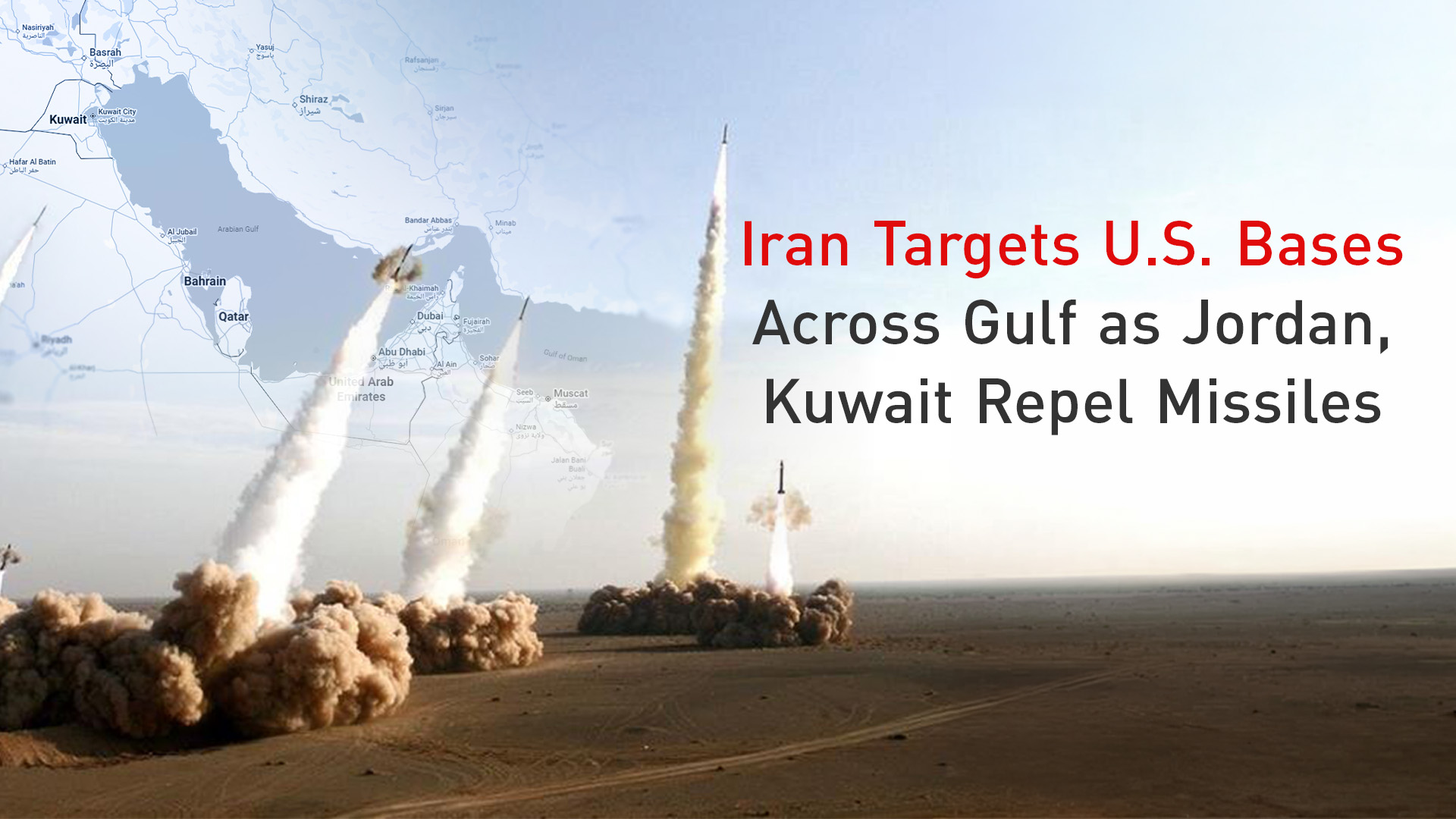
Iran launched retaliatory strikes against U.S. Military installations across the Gulf late Monday, according to reports. The operation, directed by President Donald Trump, commenced at 2100 GMT on Sunday, U.S. Central Command (CENTCOM) confirmed. "President Donald Trump has directed the strikes to hold Iranian forces accountable," CENTCOM stated. The actions follow heightened tensions in the region, marking a significant escalation in the ongoing standoff between Washington and Tehran. The series of events unfolded rapidly, with both sides conducting military operations and issuing strong condemnations.
Gulf Interceptions and Iranian Claims
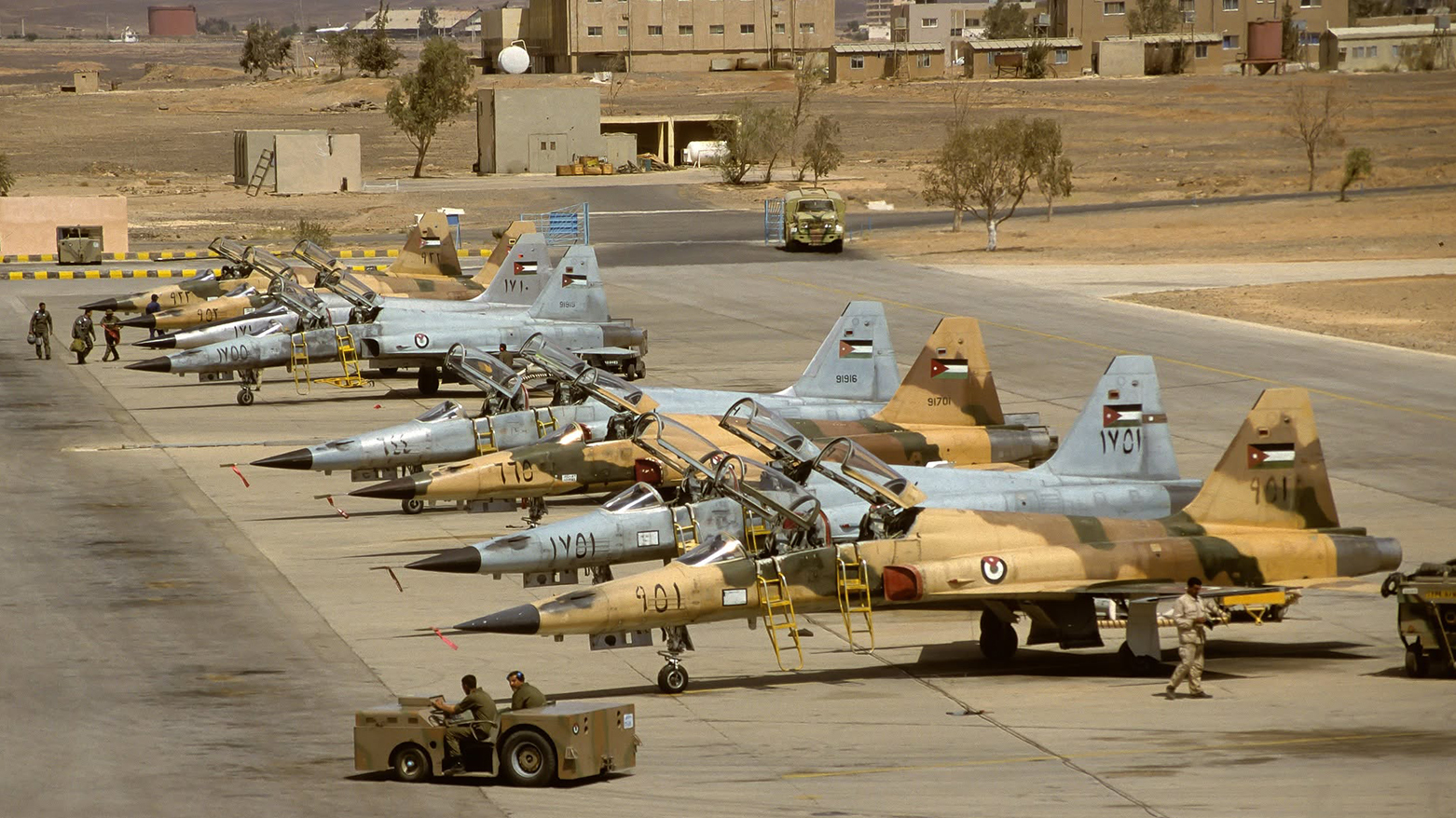
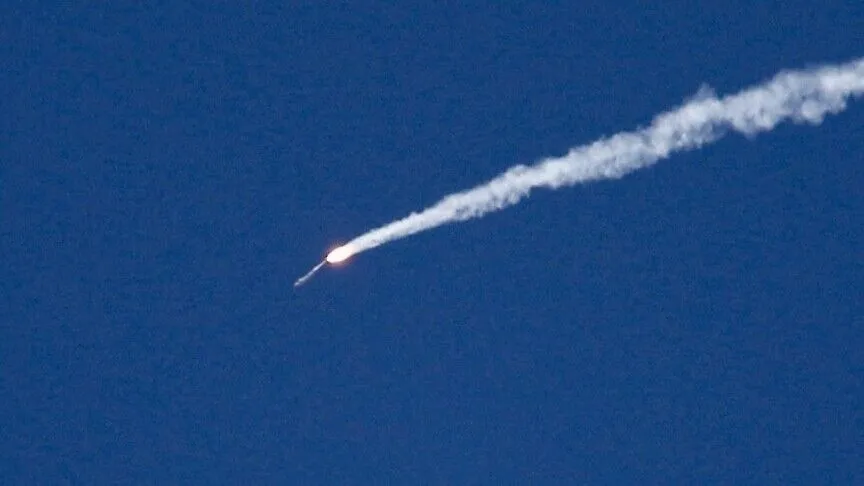
Iran claimed to have targeted American bases in Jordan, Bahrain, and Kuwait. Jordan's military announced its air defense systems shot down four Iranian missiles that entered the country's airspace before dawn on Tuesday. No injuries or property damage were reported in Jordan from these intercepted missiles, indicating the effectiveness of the kingdom's defensive capabilities against the incoming projectiles. The swift response from Jordanian forces noted the readiness of regional allies to defend against potential incursions.
Kuwait's armed forces stated they were responding to "hostile aerial targets" moving through Kuwaiti airspace, showing the widespread nature of the Iranian offensive. Iran's Islamic Revolutionary Guard Corps (IRGC) said its strikes targeted multiple airbases in Kuwait, including Ali Al Salem Air Base. The IRGC's specific mention of Ali Al Salem Air Base indicated a deliberate targeting strategy aimed at key military infrastructure. Air raid sirens sounded across Bahrain after Iranian attacks targeted the island kingdom, prompting residents to seek shelter and raising alarm across the small Gulf nation. These incidents across multiple countries illustrate the broad geographical scope of Iran's retaliatory actions and the immediate impact on regional security.
U.S. Strikes and Iranian Claims
A new wave of U.S. Military strikes against Iran commenced late Sunday, preceding the Iranian retaliatory actions. Iranian state media reported that one person was killed and four others were wounded in these attacks within Iran's southwestern Khuzestan province. The casualties reported by Iranian media show the human cost of the escalating conflict and the direct impact on Iranian territory. Separately, Iran's Islamic Revolutionary Guard Corps (IRGC) stated that the U.S. Strikes targeted Prince Hassan Air Base in Jordan, a claim that adds another layer of complexity to the narrative of who targeted whom and where. The IRGC also claimed that a U.S. Military drone command center in Bahrain was among the targets hit during the latest American actions, suggesting that U.S. Drone operations were specifically in Iran's crosshairs. These claims from the IRGC highlight Iran's perception of U.S. Military presence and activities in the region as direct threats, justifying their own defensive or retaliatory measures.
Regional Tensions Rise and Economic Implications
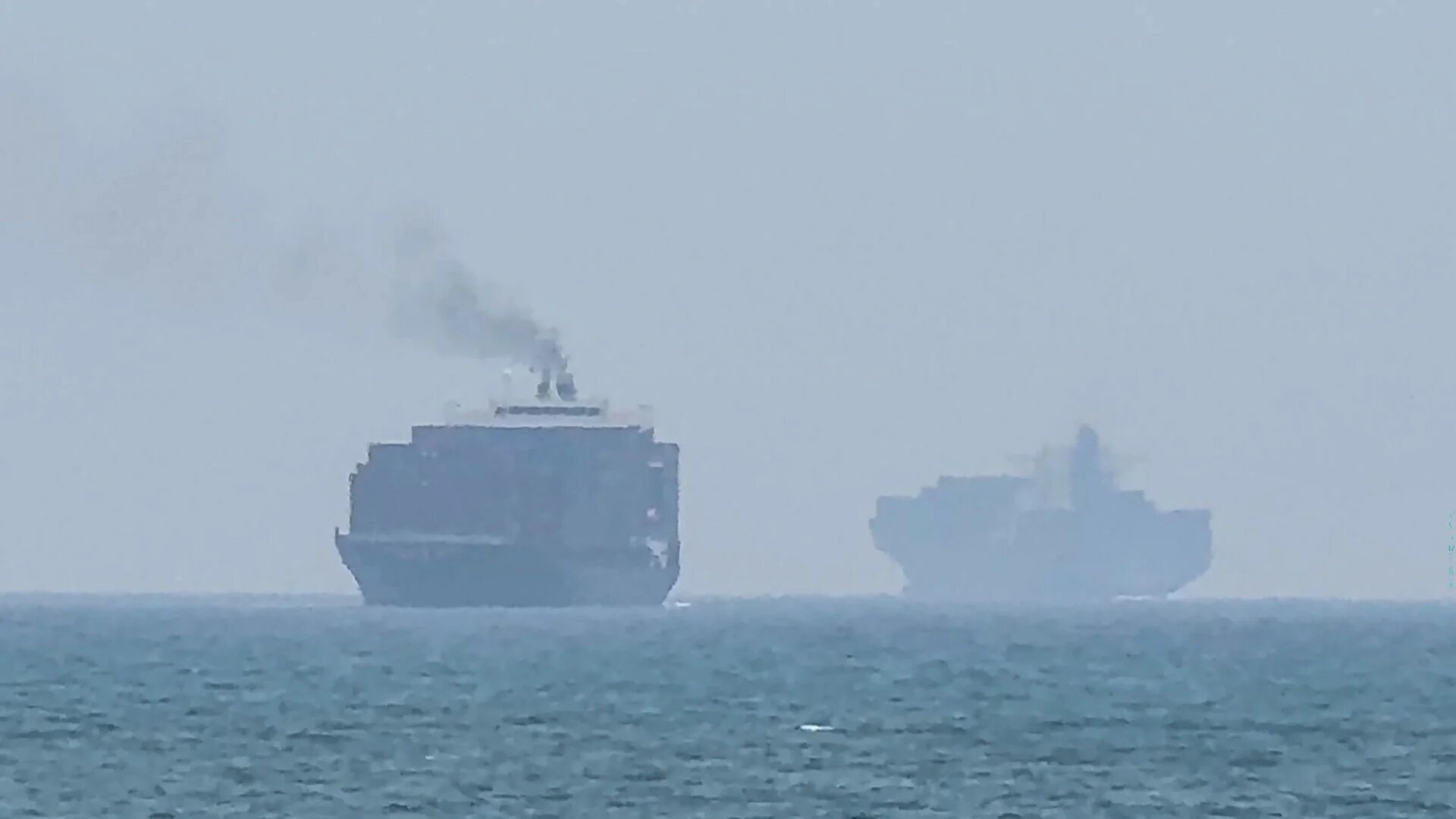
Tehran condemned the latest U.S. Strikes, accusing Washington of undermining diplomatic efforts and destabilizing the region. This condemnation reflects Iran's consistent narrative that U.S. Actions are provocative and counterproductive to regional stability. President Donald Trump ordered additional military action, which he stated was aimed at "continuing to degrade" Iran's ability to threaten commercial shipping through the Strait of Hormuz. This statement from the U.S. President emphasizes the strategic importance of the Strait of Hormuz, a critical choke point for global oil supplies, and Washington's determination to ensure its security.
Iran, in response, accused the United States of disrupting international maritime security. Iranian officials claimed this disruption was caused by Washington's interference with Tehran's efforts to implement security arrangements in the Strait of Hormuz, a critical waterway for global oil shipments. This counter-accusation from Tehran frames U.S. Actions as the source of instability in a vital economic artery. The Strait of Hormuz is a narrow passage between the Persian Gulf and the Gulf of Oman, through which a significant portion of the world's seaborne oil passes daily. Any threat to shipping in this area has immediate and broad consequences for global energy markets and international trade. The ongoing military posturing and reciprocal strikes have amplified concerns among international observers about the potential for wider conflict in the Middle East. The condemnation from Tehran showed the widening gap between the two nations as military actions escalated across the Gulf, with each side blaming the other for the precarious security situation. The international community is closely monitoring these developments, urging de-escalation to prevent a full-blown regional crisis that could have severe economic and geopolitical repercussions.