Iran expanded its military campaign across the Gulf on Sunday, with explosions reported over Qatar's capital, Doha. The widened actions follow earlier reports of missile strikes in Jordan and Kuwait. These developments indicate an escalation in regional military activity attributed to Iran, marking a significant increase in the scope and intensity of its operations. The expansion of military actions across multiple Gulf nations on Sunday shows a broadening of direct engagements.
Jordanian Base Targeted
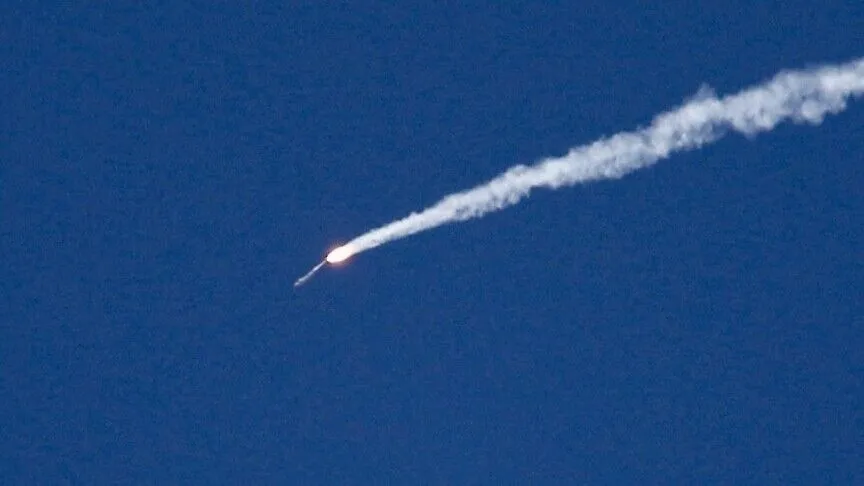
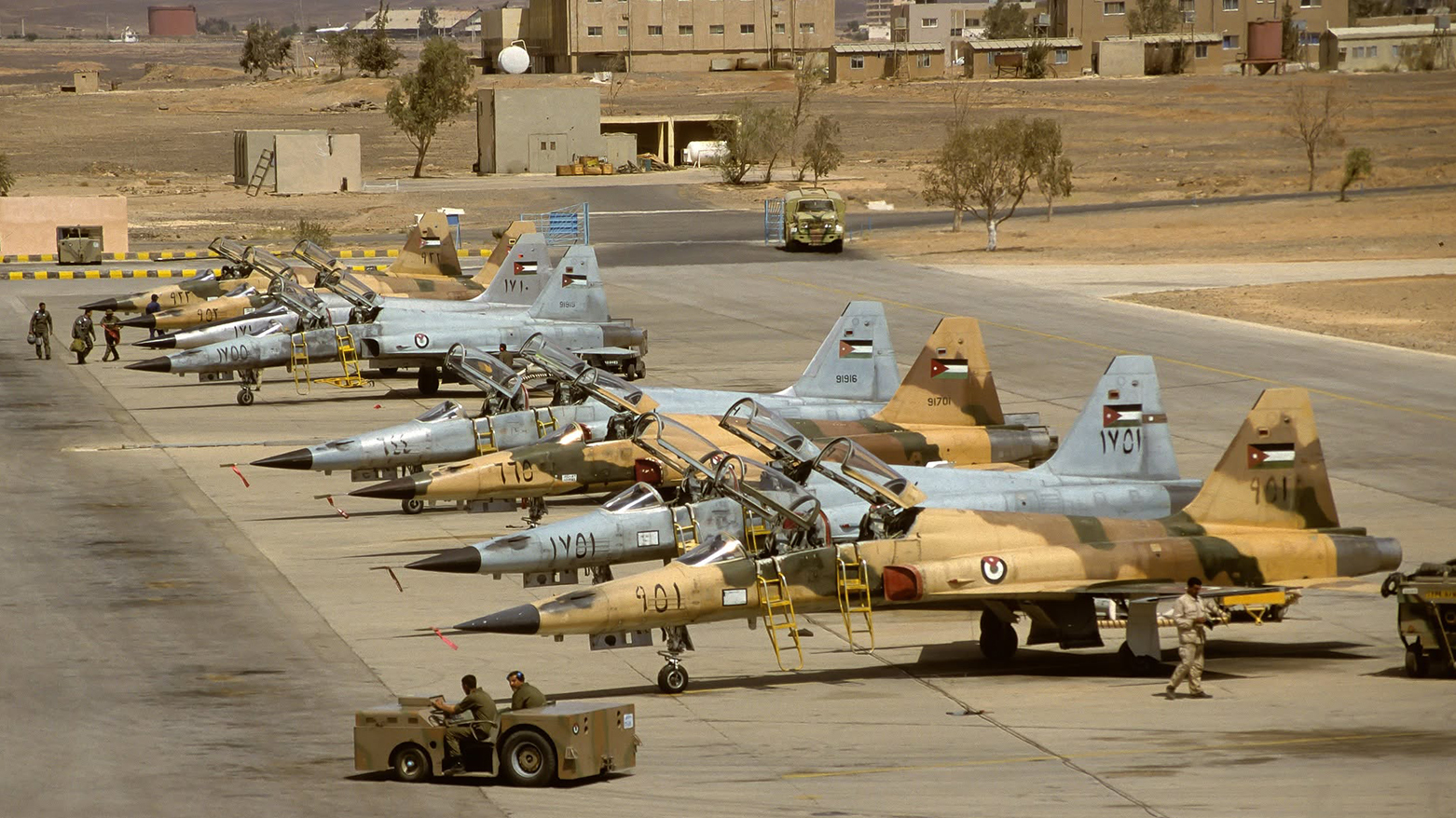
Jordan reported that three Iranian missiles landed inside its territory on Sunday. Iran's Islamic Revolutionary Guard Corps (IRGC) claimed responsibility for a strike targeting the U.S.-used Prince Hassan Air Base in eastern Jordan. The IRGC stated its aerospace forces launched several ballistic missiles at the airbase, claiming they destroyed a command-and-control center and hangars housing MQ-9 Reaper drones. This specific claim details the nature and intent of the IRGC's targeting strategy. The use of ballistic missiles against a U.S.-affiliated installation in Jordan represents a direct challenge, escalating regional tensions. The IRGC's assertion of destroying specific assets like a command-and-control center and drone hangars notes a perceived strategic objective behind the strike.
A military source, according to a statement by the Jordanian army, confirmed the incident. "Three missiles fired from Iranian territory fell at dawn in several locations across the kingdom, causing no casualties. Damage was limited to minor material losses," the source said. The statement specified that damage was limited to minor material losses. This official confirmation from Jordan provides a counterpoint to the IRGC's more extensive claims of damage. The fact that the missiles originated from Iranian territory was explicitly stated by Jordanian authorities, leaving little ambiguity about the source of the attack. Despite the limited physical damage reported by Jordan, the incident itself carries significant geopolitical weight due to the direct targeting of a U.S.-used facility. The IRGC also issued a separate warning, stating that the Strait of Hormuz would remain closed "until further notice," and no vessels would be permitted to transit the strategic waterway until what it described as "the end of American interventions in this region."
Regional Air Defenses Activated
Kuwait activated its air defense systems to intercept what it described as an ongoing attack. The General Staff of the Army in Kuwait announced its air defense forces were intercepting hostile missiles and drones targeting the country. This activation was a direct response to incoming threats, demonstrating the immediate danger posed to Kuwaiti territory. "The General Staff of the Army notes that any explosion sounds heard are the result of air defense systems intercepting hostile attacks," stated Kuwait's General Staff of the Army. This public announcement aimed to inform the populace about the nature of the sounds heard, confirming defensive actions were underway against legitimate threats. The mention of both hostile missiles and drones indicates a multi-faceted attack strategy.
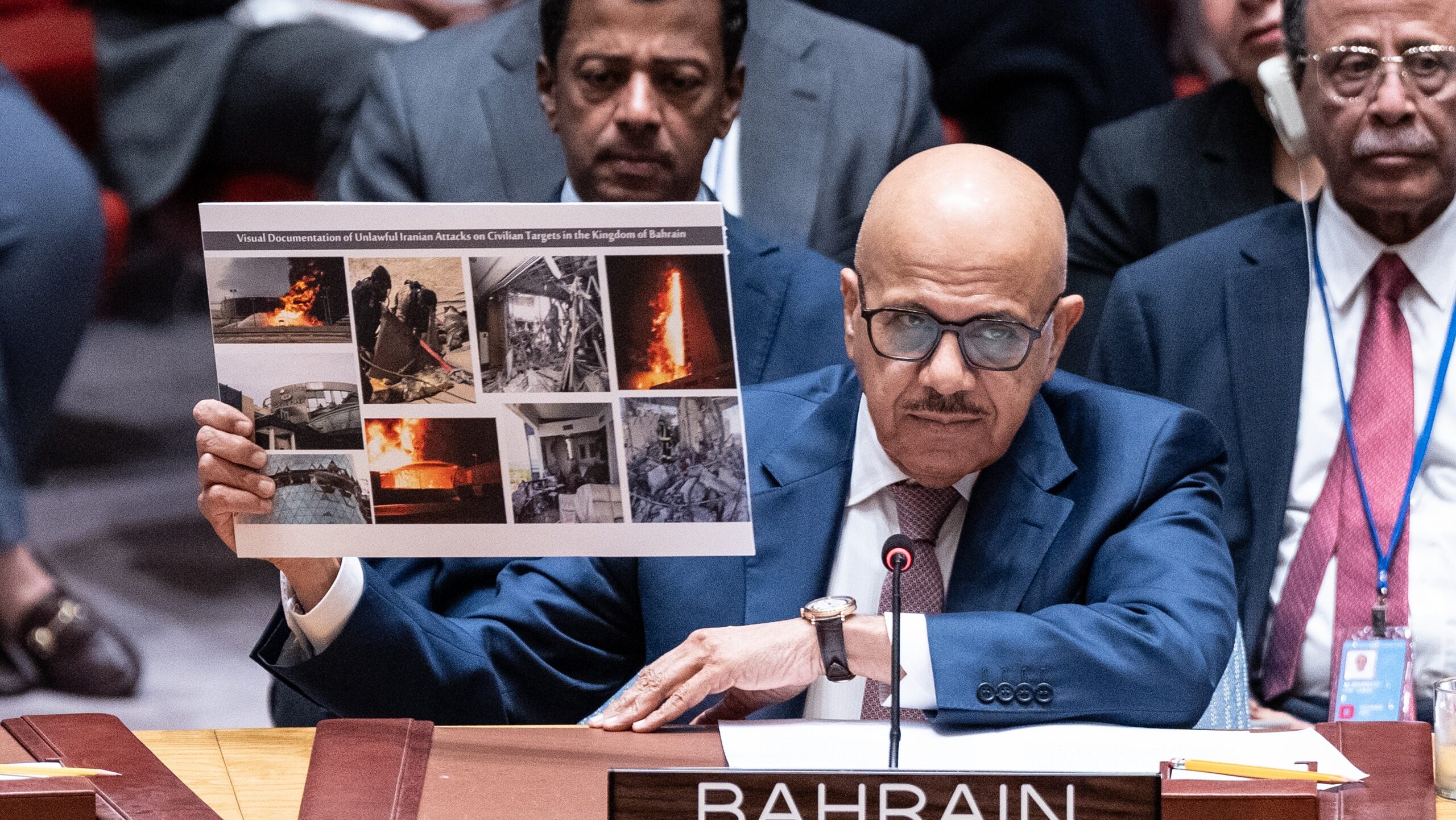
In the United Arab Emirates, the Ministry of Defense confirmed that its air defense systems were actively engaging incoming missile and drone threats directed towards its territory. This parallel action in the UAE further illustrates the widespread nature of the aerial threats across the Gulf region. The UAE's defensive posture shows the broad impact of Iran's expanded military campaign. Simultaneously, Bahrain activated its air raid sirens, signaling a potential threat to its airspace. The activation of air raid sirens in Bahrain indicates a high level of alert and the perceived proximity of danger, prompting immediate protective measures. The Islamic Revolutionary Guard Corps (IRGC) later announced it had also targeted a U.S. Military base in Qatar, expanding its reported military actions within the Gulf region. This claim from the IRGC directly links the explosions heard over Qatar's capital, Doha, to their operations. The targeting of a U.S. Military base in Qatar, if confirmed, would mark another significant escalation in the direct confrontation with U.S. Interests in the region. The IRGC also issued a warning, stating, "The Strait of Hormuz would remain closed 'until further notice,' warning that no vessels would be permitted to transit the strategic waterway until what it described as 'the end of American interventions in this region.'"
Strait of Hormuz Closure
The Islamic Revolutionary Guard Corps (IRGC) declared that the Strait of Hormuz would remain closed "until further notice," warning that no vessels would be permitted to transit the strategic waterway until what it described as "the end of American interventions in this region." This statement from the IRGC signals a significant escalation in regional tensions regarding maritime passage. The declaration explicitly links the closure of the vital shipping lane to the broader geopolitical objective of ending perceived American interventions. This ultimatum shows the IRGC's intent to leverage control over a key international choke point as a tool of foreign policy.
The Strait of Hormuz is a critical choke point, carrying approximately one-fifth of global oil and liquefied natural gas trade, making any disruption to its operations a major concern for international energy markets. The sheer volume of global energy resources that pass through this narrow waterway means that its closure, even temporarily, has profound implications for global supply chains and economic stability. The IRGC's warning directly threatens this vital flow, potentially leading to significant price volatility and supply shortages. The economic ramifications of such a closure extend far beyond the immediate region, impacting economies worldwide.
Iranian state media also reported that the Guards had struck a second commercial vessel in the Strait of Hormuz. This incident follows previous warnings from the IRGC regarding the strategic waterway's closure. The targeting of commercial vessels within the Strait of Hormuz represents a direct physical enforcement of their closure threat, moving beyond mere declarations. This action immediately raises concerns about the safety of international shipping and the freedom of navigation through one of the world's most important maritime passages. The report of striking a second vessel indicates a pattern of aggressive action aimed at demonstrating control over the strait.