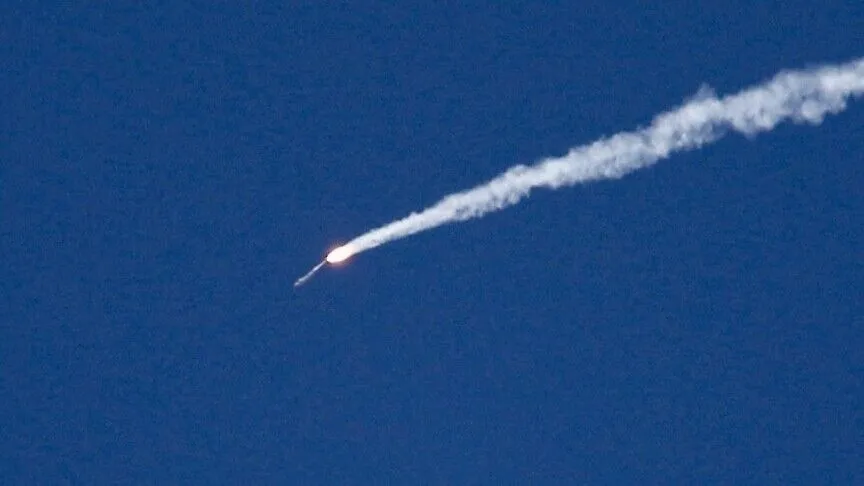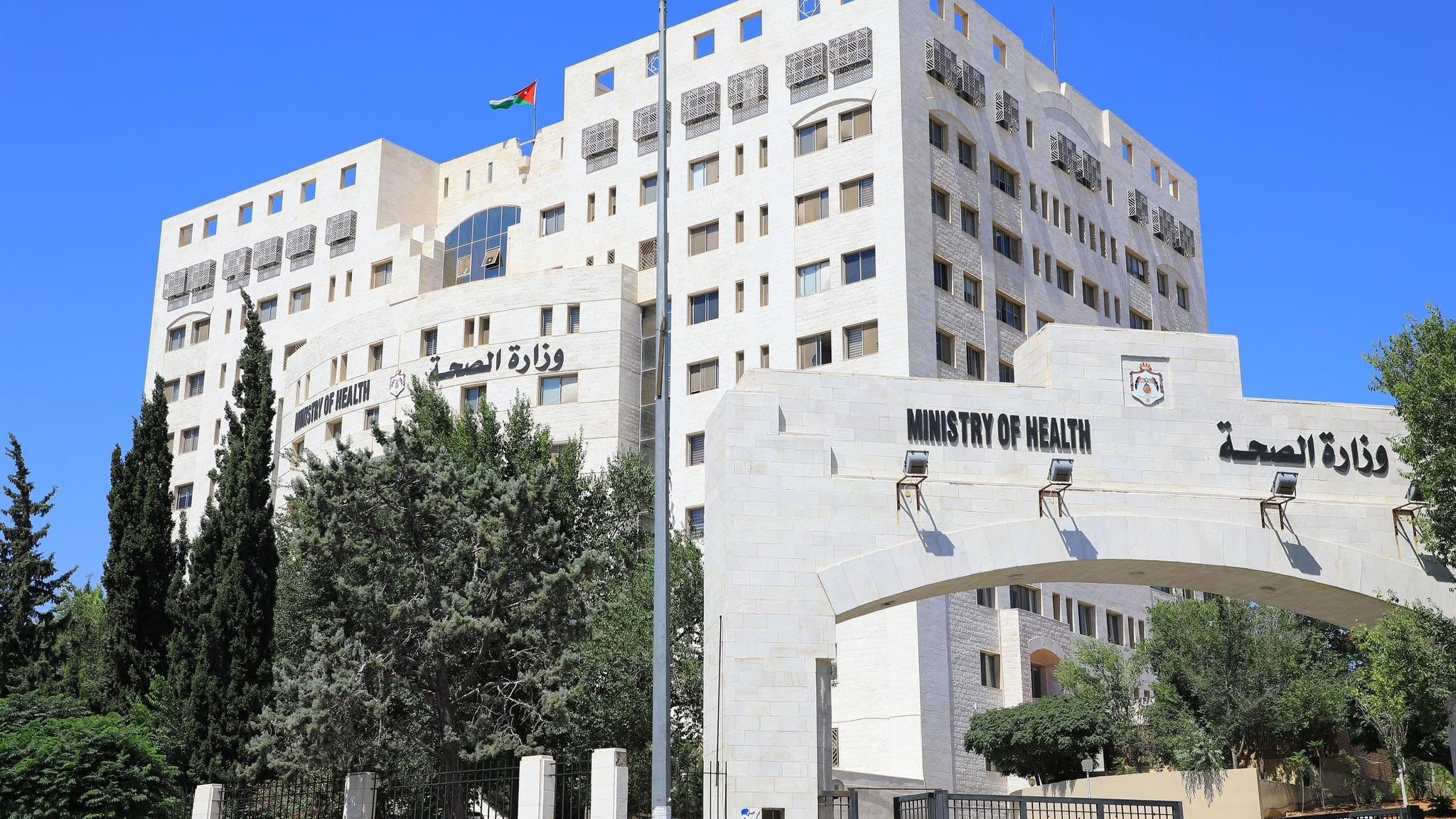
Renewed fighting between the United States and Iran resumed on July 8 and 9, significantly escalating tensions across the Middle East. This resurgence of hostilities marks a critical juncture in the ongoing confrontation between the two nations, drawing regional players like Jordan and Bahrain further into the conflict. Amidst the renewed military engagements, Iran again declared the strategically vital Strait of Hormuz closed, an action with profound implications for international shipping and global energy markets. During the hostilities, missile debris fell in various areas across Jordan, though no casualties or property damage were reported in the kingdom, noting the immediate and tangible risks posed to neighboring countries. The resumption of intense fighting shows the volatile nature of the geopolitical landscape in the region.
Missile Attacks Intensify
In response to recent provocations and to counter Iranian military capabilities, the United States conducted strikes targeting a range of Iranian assets. These actions specifically focused on Iranian missile sites, naval assets, communications infrastructure, and other critical military installations, aiming to degrade Tehran's capacity to project power and disrupt maritime traffic. These American actions followed an earlier, significant incident where a ship sustained serious damage in the Strait of Hormuz, and one Indian crew member was reported missing, showing the human and economic toll of the escalating conflict. The attack on the vessel served as a stark reminder of the dangers faced by commercial shipping in the region.
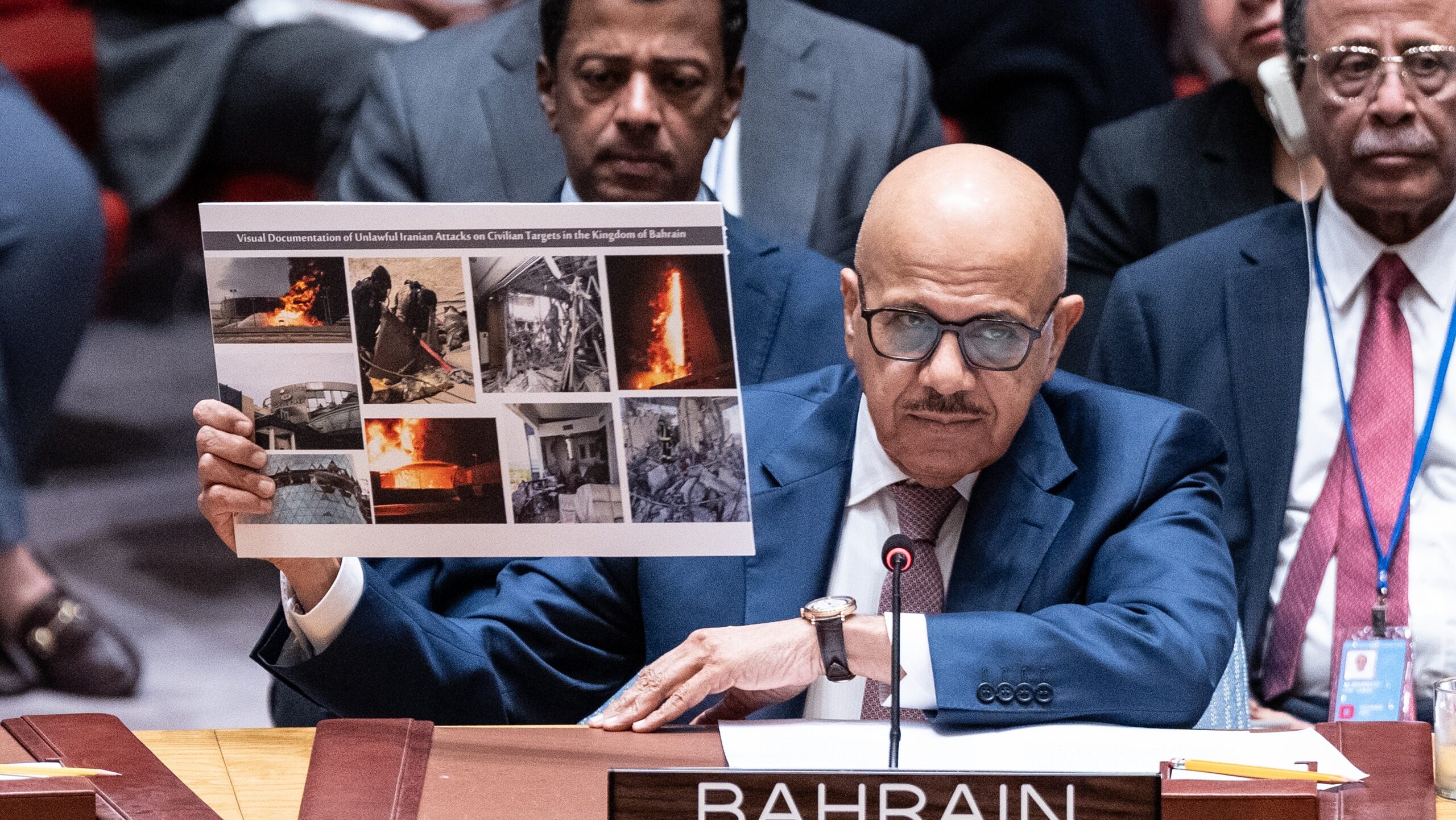
Since the broader conflict began in February, Bahrain has experienced repeated Iranian missile and drone attacks. These sustained aerial assaults have targeted various locations within the island nation, demonstrating Iran's persistent capability and willingness to project force against its neighbors. The continuous nature of these attacks shows the ongoing tensions in the region and the direct threat faced by countries perceived as aligned with Western interests. The frequency and intensity of these attacks have raised serious concerns about regional stability and the safety of civilian populations.
Diplomatic Framework Undermined
The recent fighting has severely undermined the memorandum of understanding signed by Washington and Tehran on June 17. This key diplomatic agreement, which had offered a glimmer of hope for de-escalation, now appears to be in jeopardy. The June memorandum specifically had extended a previous ceasefire that was in place, providing a vital period of calm. It established a 60-day framework for negotiations between the two parties, a window intended to allow for substantive discussions aimed at resolving key contentious issues. This diplomatic effort, which had been carefully constructed to foster de-escalation and find a peaceful path forward, now faces significant challenges due to the renewed hostilities, casting doubt on the viability of future diplomatic initiatives. The breakdown of this agreement signifies a major setback for international efforts to bring stability to the volatile region.
In a related development reflecting broader international concerns, the Security Council adopted Resolution 2817 on March 11, 2026. Resolution 2817 specifically condemned Iranian attacks targeting a number of Gulf Cooperation Council member states and Jordan, including Bahrain, Kuwait, Oman, Qatar, Saudi Arabia, and the United Arab Emirates, in addition to Jordan. This resolution served as a strong international rebuke of Iran's aggressive actions and showed international concerns regarding regional stability amidst ongoing tensions. The recent escalation further complicates efforts to uphold such diplomatic frameworks and maintain regional security, making the implementation of resolutions like 2817 even more challenging. The international community's call for restraint and adherence to international law appears increasingly difficult to enforce in the face of renewed military engagement.
Regional Stakes and Reactions
An Iranian attack targeted a Cyprus-flagged container vessel in the Strait of Hormuz, further demonstrating the conflict's direct impact on commercial shipping lanes and international trade. This incident, which caused serious damage to the ship and resulted in one Indian crew member being reported missing, notes the profound risks faced by international maritime traffic in the vital waterway, a critical chokepoint for global oil supplies. Such acts of aggression against commercial shipping threaten not only economic stability but also the lives of seafarers traversing these dangerous waters.
Separately, Jordanian air defenses successfully intercepted and shot down eight missiles launched from Iran toward Jordanian territory on Thursday, July 9. The successful interception by Jordanian forces prevented potential damage or casualties within the kingdom, showing the direct threat posed by the conflict to its neighbors and the effectiveness of its defensive capabilities. This incident notes how easily the conflict can spill over national borders, requiring constant vigilance and strong defense systems from non-combatant nations in the vicinity.
Bahrain, a key regional partner for Western powers, hosts the headquarters of the US Navy’s 5th Fleet. This significant military presence reflects the strategic importance of the island nation in regional security operations and its key role in supporting allied military efforts to maintain stability and freedom of navigation in the Arabian Gulf. The ongoing hostilities place Bahrain in an exceptionally sensitive position due to its close ties with the United States and its geographical proximity to Iran, making it a potential focal point for further escalation. The presence of such a vital military asset also shows the strategic stakes involved for international security.