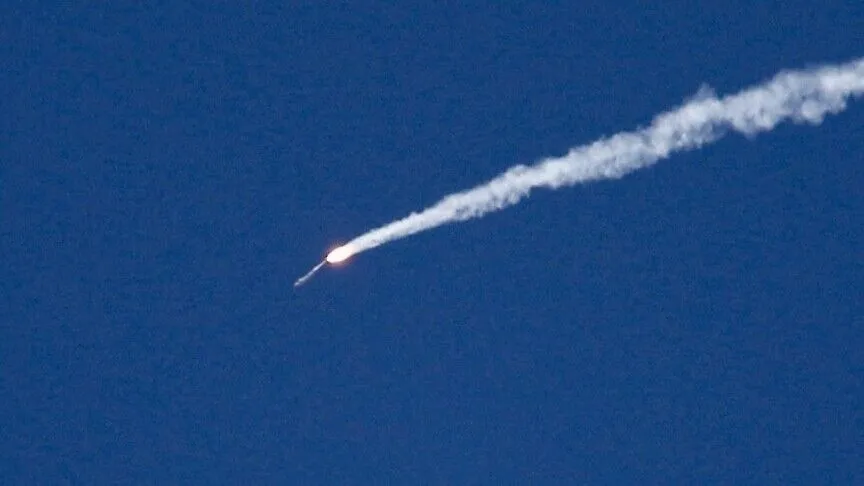
Iran's Islamic Revolutionary Guard Corps (IRGC) claimed responsibility on Sunday for a series of attacks targeting US military assets. The IRGC stated its forces carried out these operations against installations located in US-allied Gulf states and Jordan. The announcement marks an escalation in regional tensions, with the IRGC asserting its involvement in actions against American military presence in the Middle East. This development notes the volatile security situation in the Middle East, where various actors are increasingly engaged in direct and indirect confrontations. The IRGC's declaration specifies a new phase of engagement, directly challenging the US military presence in the region.
Details of the Strikes
Iran attacked "important military infrastructure and facilities" at Prince Hassan Air Base in Jordan, the IRGC said via its Sepah News Telegram channel. The Guards claimed they destroyed a command-and-control centre and hangars for MQ-9 drones with several ballistic missiles. The IRGC's statements indicated specific targets within the air base, suggesting a deliberate and calculated operation. The use of ballistic missiles against a US-allied base represents a significant tactical decision, showing the IRGC's intent to demonstrate its capabilities. Such claims, if verified, would point to a serious breach of regional stability and a direct challenge to US military operations in the Levant.
Iran's Stated Justification
The Revolutionary Guards cited alleged attempts by the United States to "impose its will" on Oman as the primary reason for the retaliatory strikes, according to their statement. The IRGC claimed the US had incited several ships to take an "illegal route south of the Strait of Hormuz." This alleged attempt was prevented by the swift reaction of Iran's navy, the statement further asserted. Iran's military also claimed the United States attacked targets along Iran's southern coast, adding another layer to their justification for the recent operations. These actions, according to the IRGC, formed the basis for their recent operations against US assets, framing them as a defensive response to perceived American aggression and interference in regional maritime affairs. The Strait of Hormuz, a vital oil shipping lane, is frequently a flashpoint for such disputes, and Iran's claims show its strategic importance.
US Response and Broader Context
The US military stated it struck targets in Iran overnight, in response to an IRGC attack on the Cyprus-flagged container ship GFS Galaxy. This information came via a statement from the US regional command, CENTCOM. The GFS Galaxy incident occurred in the Strait of Hormuz, prompting the American military's retaliatory action. The statement from CENTCOM did not elaborate on the specific nature or location of the targets hit within Iran, maintaining a degree of operational secrecy. CENTCOM's announcement indicates a direct military engagement between US forces and elements within Iran, following the alleged IRGC action against commercial shipping. The Strait of Hormuz is a critical maritime chokepoint, and incidents involving vessels in this area frequently draw international attention and raise geopolitical tensions. The exchange of strikes between US forces and the IRGC marks a significant escalation, moving beyond proxy conflicts to more direct confrontations. This tit-for-tat dynamic raises concerns about the potential for wider regional instability and the safety of international shipping.
IRGC Warning
The Islamic Revolutionary Guard Corps issued a stern warning against any further US actions in the region. The IRGC reiterated its readiness to respond firmly to perceived threats, particularly those involving Oman or the Strait of Hormuz. The Guards emphasized their capability to target US assets in Gulf states and Jordan if necessary, according to their public statements. This warning serves as a clear message of deterrence, indicating Iran's resolve to protect its interests and influence in the region. The IRGC's posturing suggests a continued willingness to engage in military actions should it perceive its red lines to be crossed.