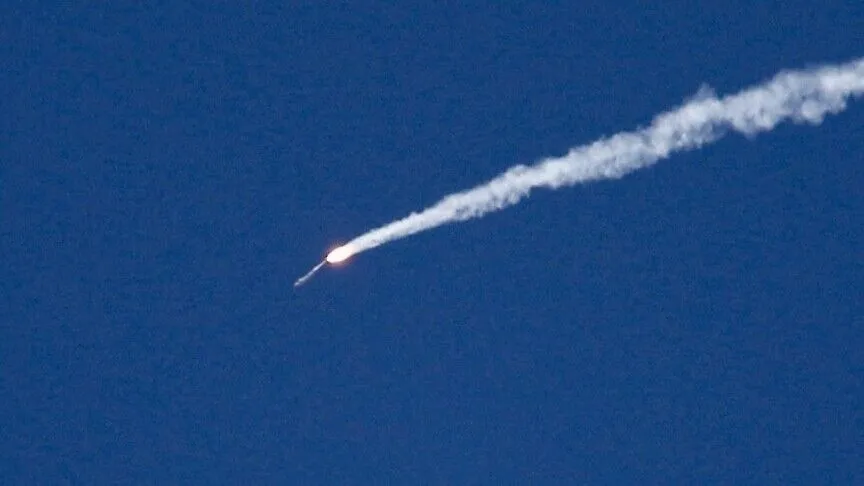
The United Arab Emirates reported Sunday that its air defense systems intercepted incoming Iranian missiles and drones, causing explosions heard across the country. The interceptions occurred as defense systems engaged the projectiles. This development comes ahead of the publication date of 12 July 2026. The UAE Ministry of Defense confirmed these actions, stating that its air defenses were actively "engaging" incoming missiles and drones originating from Iran. These engagements took place as the projectiles entered Emirati airspace, showing the immediate defensive response mounted by the Gulf nation.
Regional Air Defenses Engaged
The UAE Ministry of Defense reported that its air defenses were actively "engaging" incoming missiles and drones from Iran. This engagement occurred as projectiles entered Emirati airspace. The successful interception of these aerial threats demonstrated the operational readiness of the UAE's defense capabilities. Separately, Kuwait's armed forces announced that it is intercepting hostile aerial targets within its national airspace. The announcement from Kuwait did not specify the origin of these targets but confirmed active defensive measures were being taken to protect its sovereignty. The Kuwaiti military affirmed its commitment to safeguarding its territory from any external threats.
In a related development, sirens sounded across Bahrain for the second time on Sunday morning. The activation of these warning systems indicated potential aerial threats, prompting residents to seek shelter. Bahraini authorities did not immediately release details regarding the nature of the threat that triggered the sirens, but the repeated activations signaled a heightened state of alert. The series of defensive actions across the region shows heightened alert levels among Gulf states, as they respond to the evolving security situation. The coordinated responses, from interception to public warnings, highlight the regional impact of the ongoing escalations.
Iran's Retaliatory Claims
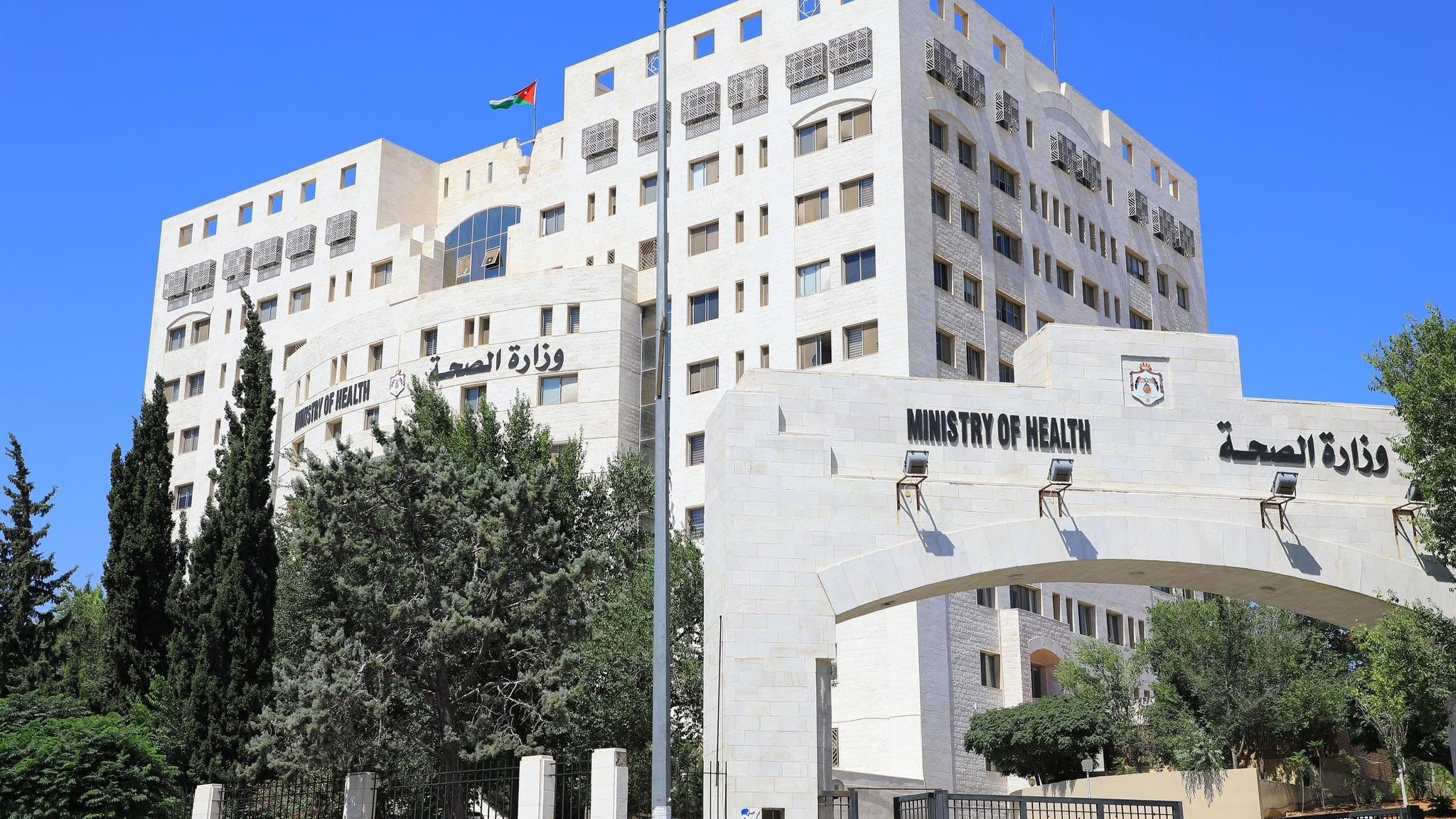
Iran's Islamic Revolutionary Guard Corps (IRGC) claimed it targeted US military bases in Jordan, Kuwait, and Qatar. The IRGC specifically stated it targeted a US military base in Jordan, alleging the destruction of the command and control center and MQ-9 drone hangars at Prince Hassan Air Base. This claim details significant damage to critical US military assets in the region, including intelligence and reconnaissance capabilities.
In Kuwait, the IRGC claimed it used explosive drones to target a Patriot air defense system, an ammunition depot, and a radar site belonging to the US military. These alleged strikes aimed to degrade US defensive and logistical infrastructure within Kuwait. Additionally, the US Al Udeid Air Base in Qatar was reportedly targeted in a second round of retaliatory ballistic missile strikes, with its fighter jet maintenance center and command headquarters also identified as targets. The IRGC's claims regarding Al Udeid suggest an attempt to cripple key operational and maintenance facilities for US air power in the Gulf.
Beyond land-based facilities, the IRGC claimed a second US vessel was struck and disabled in the Strait of Hormuz. This assertion points to a broadening of targets beyond land-based military installations to include naval assets in critical waterways. The group also stated it carried out an attack on logistics support centers and refueling platforms utilized by US aircraft carriers at the Port of Duqm in Oman. These alleged attacks in Oman would represent an expansion of the IRGC's operational reach to disrupt US naval support operations in the broader region.
These claims by the IRGC followed reports of US military action. The United States launched a third round of strikes targeting radar, missile, and drone sites located across southern Iran. This US military response indicates a reciprocal escalation in the conflict, with both sides engaging in offensive actions against military infrastructure. The exchange of strikes and counter-strikes notes the rapidly deteriorating security environment.
Context and Escalation Fears
The recent attacks occurred after Iran initiated fire on commercial vessels within the Strait of Hormuz. US Central Command (CENTCOM) reported that Iran had announced the closure of the strategic waterway until further notice following these incidents. One crew member was reported missing after the engagement in the Strait of Hormuz. The closure of the Strait of Hormuz, a critical maritime chokepoint for global oil shipments, introduces significant concerns regarding international trade and regional stability. This development precedes the current escalations involving missile and drone activity across the region. The actions taken by Iran in the Strait of Hormuz represent a direct disruption to international shipping lanes, threatening global energy supplies and maritime commerce. The reported missing crew member adds a humanitarian dimension to the maritime incidents, showing the human cost of these escalating tensions. The sequence of events, beginning with the maritime attacks and the announced closure, provides context for the subsequent military engagements reported across the Gulf states, illustrating a clear pattern of escalation. The strategic importance of the Strait of Hormuz amplifies the international ramifications of these actions.
Official Statements and Reactions
Bahrain's Interior Ministry announced that air raid sirens have been activated, urging "Citizens and residents are urged to remain calm and head to the nearest safe place." This official directive from Bahrain's authorities shows the immediate threat perceived by the government and its efforts to ensure public safety. The activation of sirens for the second time on Sunday morning further emphasized the persistent nature of the threat. In Qatar, the Defense Ministry stated that the Qatari Armed Forces successfully intercepted a missile attack targeting the country. This successful interception demonstrated Qatar's strong defense capabilities and its ability to protect its airspace from incoming threats. Qatar's Interior Ministry also confirmed a high security threat level and advised people to remain inside their homes or other safe places, reflecting the serious nature of the situation. The Interior Ministry later reported that the security threat had been eliminated and the situation in Qatar had returned to normal, indicating a successful resolution to the immediate danger and a return to stability for its citizens and residents. These official statements from various Gulf nations reflect the urgent and coordinated responses to the widespread aerial threats.