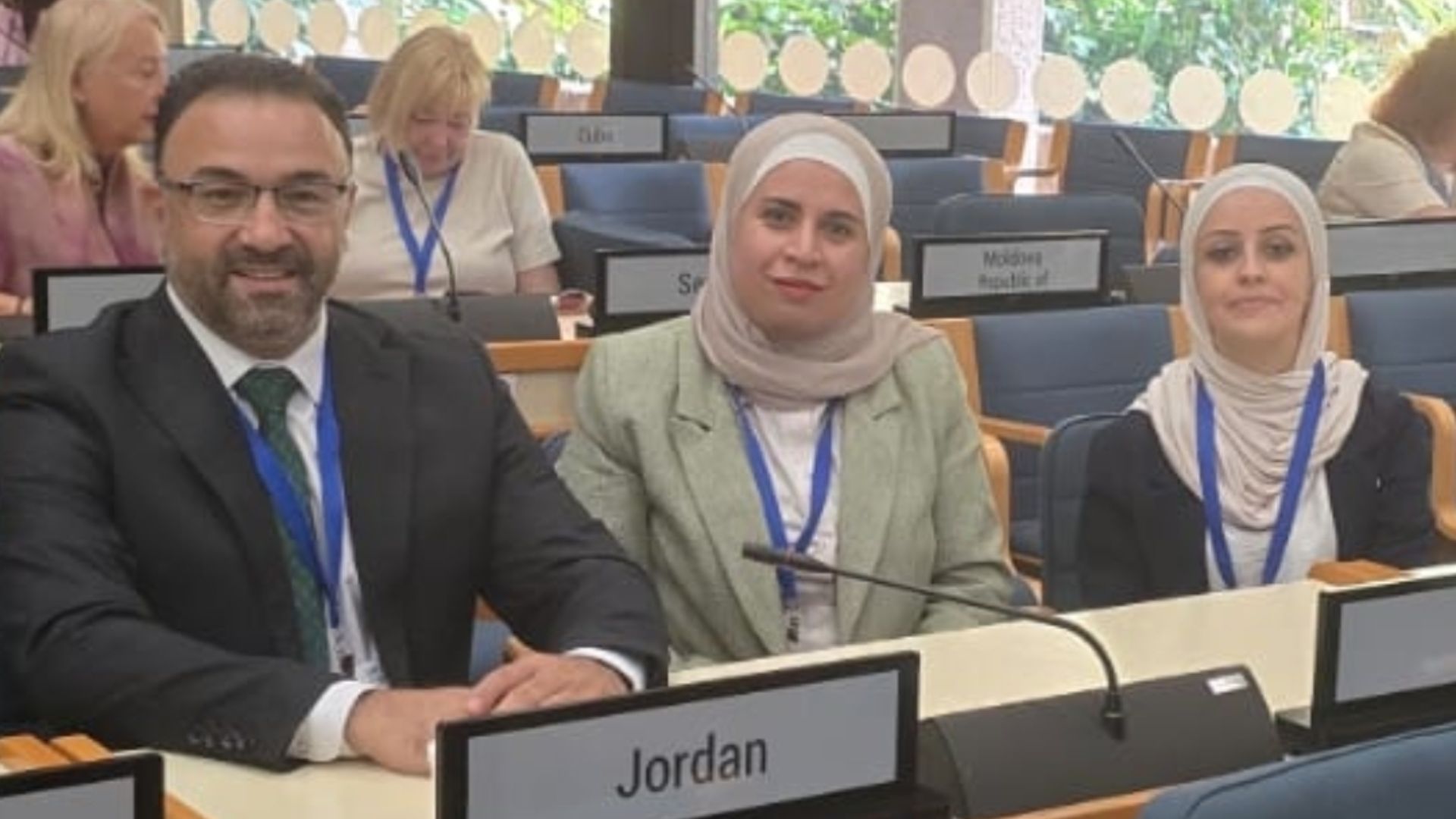
Amman, July 3 (Petra) – A Jordanian delegation recently participated in preparatory meetings for heads of delegation in Nairobi, Kenya, as part of the ongoing process to forge a global plastic pollution treaty. These discussions are integral to the Intergovernmental Negotiating Committee (INC) efforts, aiming to develop a legally binding international instrument designed to end plastic pollution worldwide. The delegation included Jordan's Ambassador to Kenya and Permanent Representative to the United Nations Environment Programme (UNEP), Rolan Samara. Jordan’s engagement shows its commitment to international cooperation on environmental issues and its proactive role in addressing pressing global environmental challenges. The preparatory meetings of heads of delegation serve as a key forum for member states to align their positions and lay the groundwork for a strong and effective international agreement.
Key Discussion Points
Discussions in Nairobi covered a range of critical topics for the global plastic pollution treaty. National action plans to address plastic pollution were a central theme, alongside strategies for plastic waste management. Delegates also examined sustainable plastic product design and the various means of implementation, including financing mechanisms, capacity building, and technology transfer. These discussions aimed to identify full solutions that are both environmentally sound and economically viable for all participating nations. The scope of these deliberations reflects the complexity of plastic pollution, which requires multifaceted approaches ranging from product conception to end-of-life management.
The framework of the future international agreement was a key agenda item for the delegates. They reviewed the overall structure and considered mechanisms for both its implementation and subsequent monitoring. This included exploring how best to ensure compliance and track progress towards the treaty’s objectives. The head of the Jordanian delegation noted Jordan's experience during these discussions, offering valuable insights from the country’s national efforts. The delegation representative specifically noted Jordan's efforts in integrated waste management and the country's implementation of the Extended Producer Responsibility (EPR) system. These examples demonstrated Jordan's practical experience in tackling plastic pollution at a national level, providing a tangible perspective to the international dialogue. The discussions also delved into the importance of establishing clear targets and benchmarks to measure the effectiveness of the future treaty, ensuring accountability among signatory states.
Jordan's Stance on Funding
Jordan advocates for a flexible financing model to support the global plastic pollution treaty, proposing a strategy that integrates existing mechanisms with new ones. This approach involves utilizing the Global Environment Facility (GEF) while also establishing a dedicated multilateral fund. The combination aims to ensure full financial resources are available for treaty implementation, addressing diverse needs across member states. This stance reflects a desire for a strong and adaptable funding structure capable of tackling the multifaceted challenges of plastic pollution on a global scale. The proposed dual mechanism seeks to leverage the established experience and infrastructure of the GEF while providing a specialized fund focused solely on plastic pollution initiatives. This strategic approach to funding is designed to overcome potential financial barriers that could hinder the effective implementation of the treaty, particularly in developing countries. The article containing this information was published on 03/07/2026, at 17:13:42.
Commitment to Global Action
The meetings in Nairobi took place from June 29 to July 3. The Jordanian delegation to these discussions was led by Secretary-General of the Ministry of Environment Dr. Omar Arabiyat. Jordan's involvement in these talks demonstrates its commitment to contributing constructively to international negotiations aimed at achieving an ambitious and practical legally binding agreement to end plastic pollution. This commitment shows Jordan's recognition of plastic pollution as a transboundary issue requiring concerted global action and shared responsibility. The active participation of its delegation notes its dedication to fostering international cooperation and finding common ground among diverse national interests to achieve a universally beneficial outcome.
Dr. Omar Arabiyat emphasized the importance of considering countries' national circumstances and priorities when implementing the future obligations of the treaty. He stressed the necessity of providing developing countries with adequate financial and technical support, along with capacity-building assistance, to ensure the agreement's effective and equitable implementation. Arabiyat stated that the success of the future treaty hinges on establishing a financing mechanism capable of delivering sufficient, predictable, and sustainable support, while acknowledging differences in national capacities and circumstances. Jordan supports a flexible financing approach that combines the use of the Global Environment Facility (GEF) with the creation of a dedicated multilateral fund, a model Arabiyat noted would enhance coordination among funding sources and improve fair and efficient access to financial resources, especially for developing countries. He further showed the importance of strengthening partnerships with the private sector and accelerating the transition toward a circular economy to help reduce plastic pollution and advance the Sustainable Development Goals (SDGs). Arabiyat reiterated Jordan's belief that a successful global treaty must be inclusive, adaptable, and responsive to the unique challenges and opportunities faced by each nation, ensuring that no country is left behind in the global effort to combat plastic pollution.