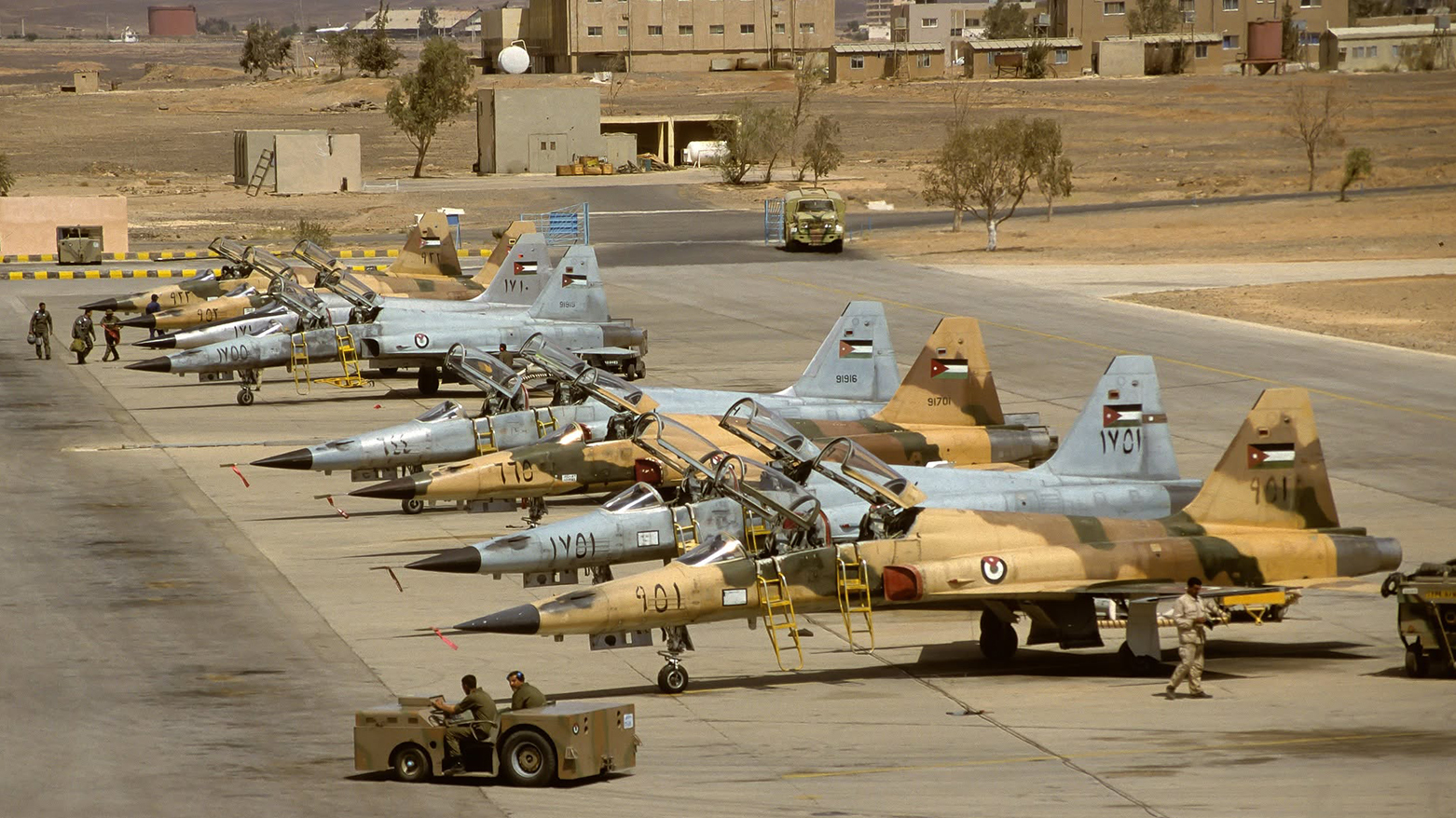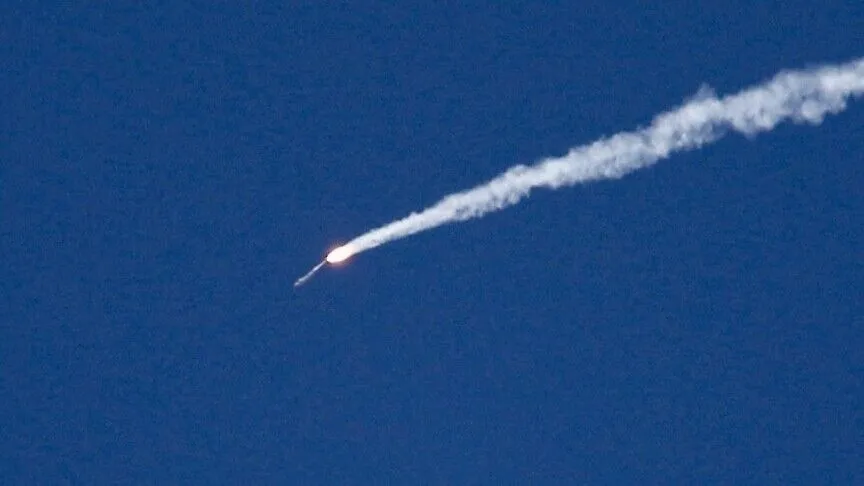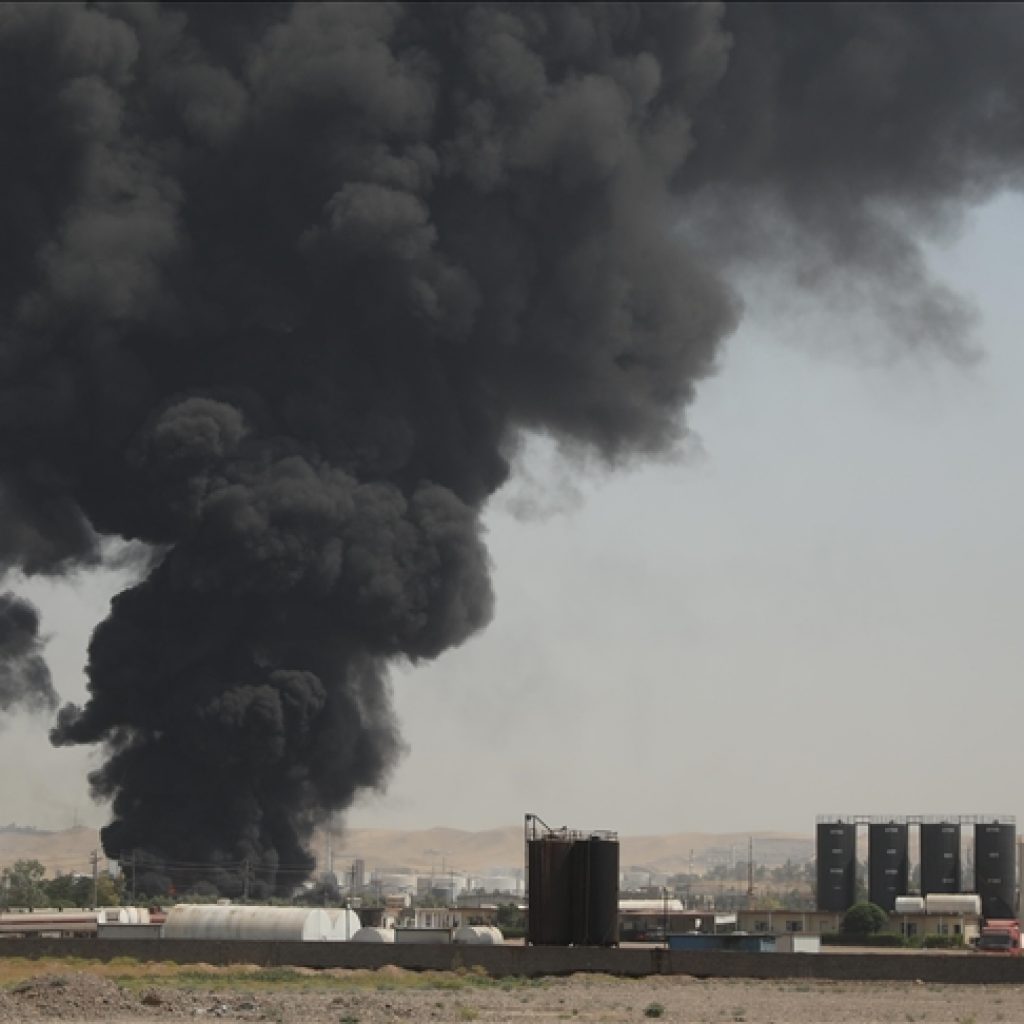
Iran's Islamic Revolutionary Guard Corps (IRGC) announced Monday it launched missile and drone attacks targeting Prince Hassan Air Base in Jordan. The IRGC claimed the assault ignited fires at several fuel depots and ammunition storage facilities within the base. According to the IRGC, the strike represents the initial phase of its response to recent US attacks on Iranian coastal military bases. The IRGC specifically stated on Monday that it had targeted Prince Hassan Air Base with both missiles and drones, initiating a significant escalation in regional tensions. This attack, as claimed by the IRGC, reportedly caused substantial damage, setting fire to key infrastructure such as fuel depots and ammunition storage facilities located within the Jordanian military installation.
IRGC's Stated Justification
The Islamic Revolutionary Guard Corps (IRGC) stated that the recent US attacks occurred after its naval forces intercepted two ships in the Strait of Hormuz. The IRGC claimed these vessels were intercepted for allegedly switching off tracking systems, travelling illegally, and endangering navigation. The IRGC further announced that its retaliatory operations are continuing, and results will be announced in subsequent statements. On Sunday, Iran reported it had launched attacks on US military sites across several Gulf nations, including Kuwait, Bahrain, Qatar, Jordan, and Oman. These actions were described by Iran as retaliation for earlier US attacks on Iranian targets. The IRGC emphasized that its naval forces had acted within international maritime law by intercepting the two vessels in the critical Strait of Hormuz, citing concerns over their operational conduct. The ongoing retaliatory operations, according to the IRGC, signify a sustained response to perceived American aggression.
US Response and Maritime Focus
The US Central Command (CENTCOM) stated that its latest strikes were intended to further degrade Iran's ability to attack civilian mariners and commercial vessels transiting the Strait of Hormuz. These actions follow earlier tensions in the critical waterway. CENTCOM later announced the completion of a new wave of offensive strikes against Iran. These operations targeted various Iranian capabilities perceived as threats to maritime traffic. The US military's objective, as articulated by CENTCOM, is to ensure the free flow of commerce through the Strait of Hormuz, a vital maritime chokepoint for global energy supplies.
A statement from US Central Command (CENTCOM) detailed the nature of these strikes, reporting that the US completed a new wave of offensive strikes against Iran, hitting "dozens of targets at multiple locations with precision munitions" to reduce Iran’s capability to threaten maritime traffic. The precision munitions were reportedly used to neutralize specific threats, aiming to dismantle infrastructure and assets used by Iran to disrupt shipping. The US military's focus remains on ensuring the safety and security of international shipping lanes, particularly the Strait of Hormuz, a vital conduit for global energy supplies. The ongoing military actions show continued US efforts to counter Iranian activities deemed disruptive to regional stability and maritime commerce, thereby safeguarding international navigation.
Jordanian Interception Details
Jordan’s military reported it intercepted and neutralized "four missiles that entered Jordanian airspace" from Iranian territory. The statement indicated that the interception occurred as the missiles crossed into Jordanian sovereign airspace. Military officials confirmed the projectiles were successfully downed before reaching any intended targets within Jordan. The specific trajectory and origin point within Iranian territory were not immediately detailed by Jordanian authorities. This action by Jordan's military notes its operational readiness and capability to defend its airspace, demonstrating a strong defense posture. The interception prevents potential damage or casualties on Jordanian soil, maintaining regional stability and ensuring the safety of its population and infrastructure.