Iran reported early Wednesday that its forces launched a seventh wave of drone strikes targeting a US military base in Jordan. The operation marks a continued series of actions against US facilities in the region. The Iranian army stated that the strikes were part of its ongoing campaign against US military bases and facilities. This latest action follows a series of escalating confrontations in the region, drawing significant international attention to the heightened tensions.
Details of Iranian Claims
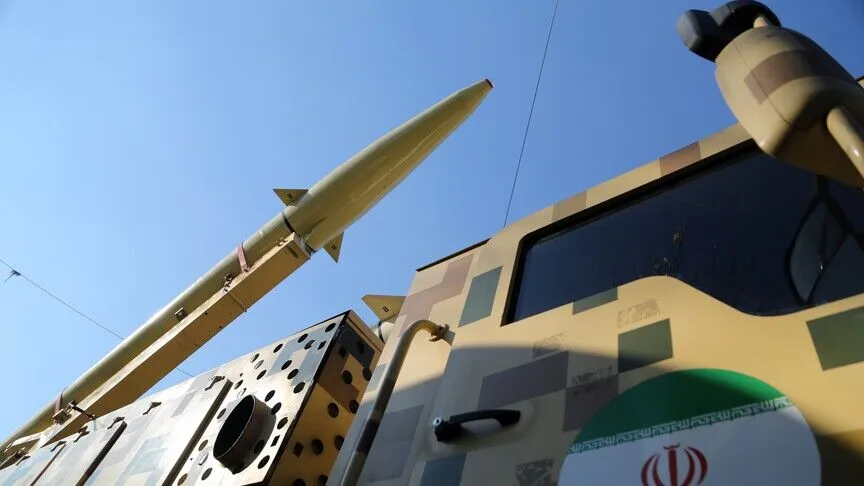
The Iranian army stated that its latest drone attack specifically targeted F-18 fighter jet positions, accommodation buildings, and a large equipment hangar utilized by US forces at Azraq Air Base in Jordan. According to the army, this strike represented the seventh wave of drone assaults. The military further claimed that these operations were initiated in response to alleged US violations of a ceasefire and attacks on Iranian territory. The army explicitly stated that this latest strike followed six previous rounds of drone attacks launched in response to these alleged US violations. Iranian forces pledged to maintain their operations, asserting that any aggression against Iran's land, waters, or airspace would elicit a firm response. The detailed claims from the Iranian military show the precision and strategic intent behind their reported drone operations, aiming to send a clear message regarding their perceived grievances and defensive posture.
Broader Regional Confrontation
Iranian media reported fresh explosions in at least seven locations across the country, occurring amid an escalating military confrontation with the United States. The reports emerged as the regional tensions deepened, suggesting a potential expansion of the conflict beyond direct military engagements. This widespread reporting of explosions across Iran indicates a significant internal impact of the ongoing confrontation, raising concerns about the stability within the country as well as the broader region. The situation notes the volatile nature of the current geopolitical landscape, where actions by one party often trigger immediate and multifaceted responses from the other.
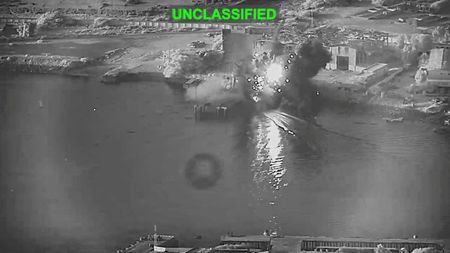
In response, the US Central Command (CENTCOM) announced another round of strikes on Iran. CENTCOM stated that these strikes were specifically aimed at degrading capabilities used to attack commercial shipping in the Strait of Hormuz. The US military command also confirmed that its forces resumed a naval blockade on Iranian ports and coastal areas. This blockade was implemented as of 4 p.m. ET (2000GMT). The resumption of the naval blockade signifies a significant escalation of US pressure, directly impacting Iran's maritime access and economic activities. This move is designed to restrict Iran's ability to project power and disrupt international shipping lanes, particularly in the strategically vital Strait of Hormuz. The US actions reflect a determination to counter what it perceives as threats to global commerce and regional security.
Escalating Tensions and Diplomacy
Tensions between the United States and Iran have escalated significantly in recent days over the Strait of Hormuz. The two nations have engaged in an exchange of attacks, despite a memorandum of understanding (MOU) mediated by Pakistan. This Pakistani-brokered agreement had aimed to de-escalate the conflict and facilitate a lasting peace accord between Washington and Tehran. The fact that attacks are continuing despite this diplomatic framework shows the deep-seated animosity and distrust that persists between the two nations. The recent military actions from both sides complicate diplomatic efforts to stabilize the volatile region, indicating a continued state of confrontation even with established frameworks for de-escalation in place. The ongoing hostilities in the Strait of Hormuz, a critical chokepoint for global oil supplies, have broad implications for international trade and energy markets, further amplifying the urgency for a diplomatic resolution that currently seems elusive.