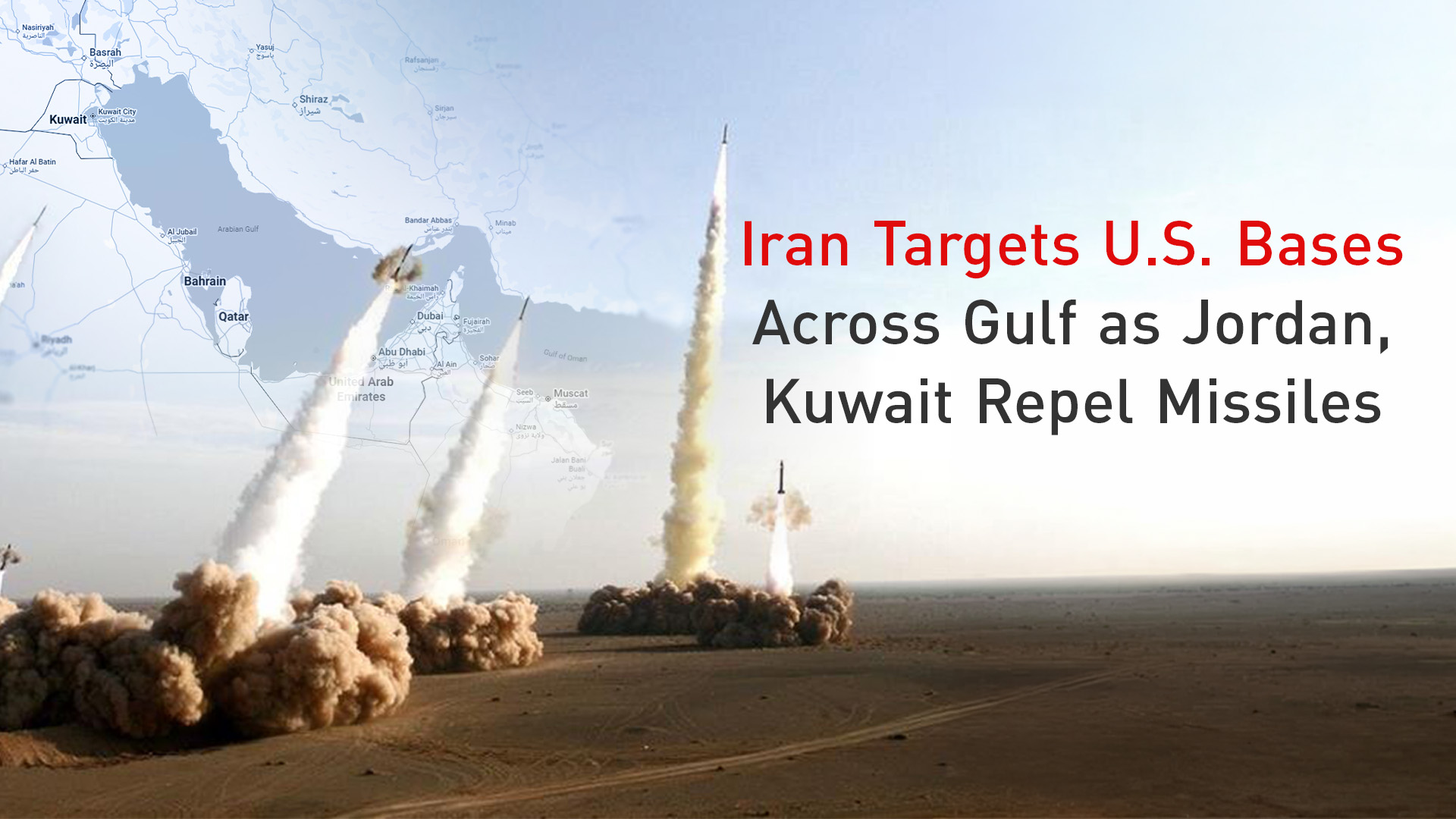
Renewed tensions between the US and Iran are impacting countries across the Gulf, following a series of military actions that have heightened regional instability. The escalation includes three consecutive nights of US strikes on Iran, along with Iranian attacks targeting US-linked facilities and cargo ships. Iran's Islamic Revolutionary Guard stated it struck US military facilities in Bahrain and Jordan on Tuesday, while US-linked targets in Qatar, Oman, Jordan, Kuwait, and Bahrain have also been hit. These Iranian attacks have also targeted a number of cargo ships in the Strait of Hormuz, further exacerbating maritime security concerns in the vital shipping lane.
Further incidents include cruise missile strikes on two UAE supertankers, which resulted in one crew member's death and eight injuries. Kuwait and Oman have also reported missile and drone threats in recent days, showing the widespread nature of the regional insecurity. These events mark the most significant flare-up in the region since June 17, when the US and Iran signed a Memorandum of Understanding aimed at ending the conflict. US President Donald Trump commented on the situation as he arrived in Turkey for the Nato summit, telling reporters that the ceasefire was "over." This article was updated with the latest information on Tuesday, 14 July 2026.
Airline Operations and Advisories
Emirates advised families traveling during the current period to arrive at the airport at least three hours before their scheduled departure. The airline stressed that passengers should clear security with 90 minutes to spare and be at their gate one hour before departure time. Emirates is currently operating flights to 137 destinations across 72 countries worldwide, which represents 96 percent of its previous global network. More than 1,300 flights operate each week, reaching approximately 75 percent of its pre-war capacity. The airline also stated that customers booked to travel after April 2 would be offered one complimentary date change across cabins. Emirates also advised passengers to "check your flight status, even after you have checked in." This advisory notes the dynamic nature of air travel in the current climate, urging passengers to remain vigilant about potential disruptions.
Etihad Airways is operating a schedule to 80 destinations. The airline has stated that passengers holding flight tickets issued on or after Friday, March 6, for travel scheduled up to March 31, 2027, may change their booking once without incurring a rebooking fee. This flexibility aims to reassure travelers amidst ongoing uncertainties. Etihad's commitment to maintaining a strong schedule to a significant number of international hubs demonstrates its efforts to restore normalcy while prioritizing passenger convenience.
Qatar Airways has resumed flights to the United Arab Emirates, including multiple daily flights to Dubai, and has also reinstated routes to Sharjah and Abu Dhabi. The airline reported that its flight network now covers more than 160 destinations, showcasing a substantial recovery and expansion of its global reach. Passengers with confirmed travel dates are eligible for a complimentary date change up to October 31, 2026, providing an extended window of flexibility for those planning future travel. This move is part of the airline's broader strategy to rebuild confidence and facilitate travel in a challenging environment.
Flydubai confirmed it is "currently operating flights across its network with a reduced schedule." This adjustment reflects the cautious approach taken by some carriers in response to the regional situation, prioritizing operational stability over full capacity.
Gulf Air's global flight network has been restored to 75 percent of its pre-war capacity. The Bahraini carrier is presently flying to 40 destinations in 24 countries, indicating a strong return to service for the national airline. This extensive network shows the airline's role in connecting Bahrain to key international and regional hubs, supporting both business and leisure travel.
Global Carriers Suspend and Reduce Services
Greek airline Aegean Airlines has resumed its flights to the region after pausing operations during the early stages of the conflict. Its route to Beirut was reinstated on Tuesday, 12 May. Flights to Riyadh and Amman began on Thursday, 21 May, marking a gradual return to service for these important routes. However, the airline's flights to Dubai remain cancelled until 31 August, with services to Baghdad similarly suspended until 2 July, noting continued caution in certain areas.
Turkish Airlines' Istanbul and Dubai flights restarted on June 9, following a three-month pause in operations. The carrier's route to Abu Dhabi is scheduled to be reinstated on July 1. Turkish Airlines is also increasing its Dubai flight frequency, moving from seven weekly flights to 14 weekly flights, demonstrating renewed confidence in the demand for this popular route. This increased frequency is a positive sign for connectivity between Turkey and the UAE.
The national carrier for Kazakhstan, Air Astana, suspended its flights to the UAE on Monday, 13 July, indicating a response to the evolving security landscape. Air Canada announced it would cease operating flights to Dubai and Tel Aviv up to and including 7 September, reflecting a decision to prioritize safety and operational efficiency during this period. AirBaltic has cancelled its routes to Dubai until 24 October. Air France has suspended all flights to Riyadh, Dubai, and Beirut until 6 July. British Airways has suspended flights to multiple destinations in the Middle East, including Dubai, Doha, Abu Dhabi, and Tel Aviv, reflecting broader adjustments by international carriers in light of the heightened regional tensions.
Regional Airlines Adapt and Resume
Air Arabia is operating scheduled flights between Sharjah, Abu Dhabi, and Ras Al Khaimah, connecting these hubs with several international destinations. Passengers with confirmed bookings up until June 30 are eligible for one free rebooking, which can be applied until March 31, 2027. This extended rebooking option provides significant peace of mind for travelers and demonstrates the airline's commitment to customer flexibility.
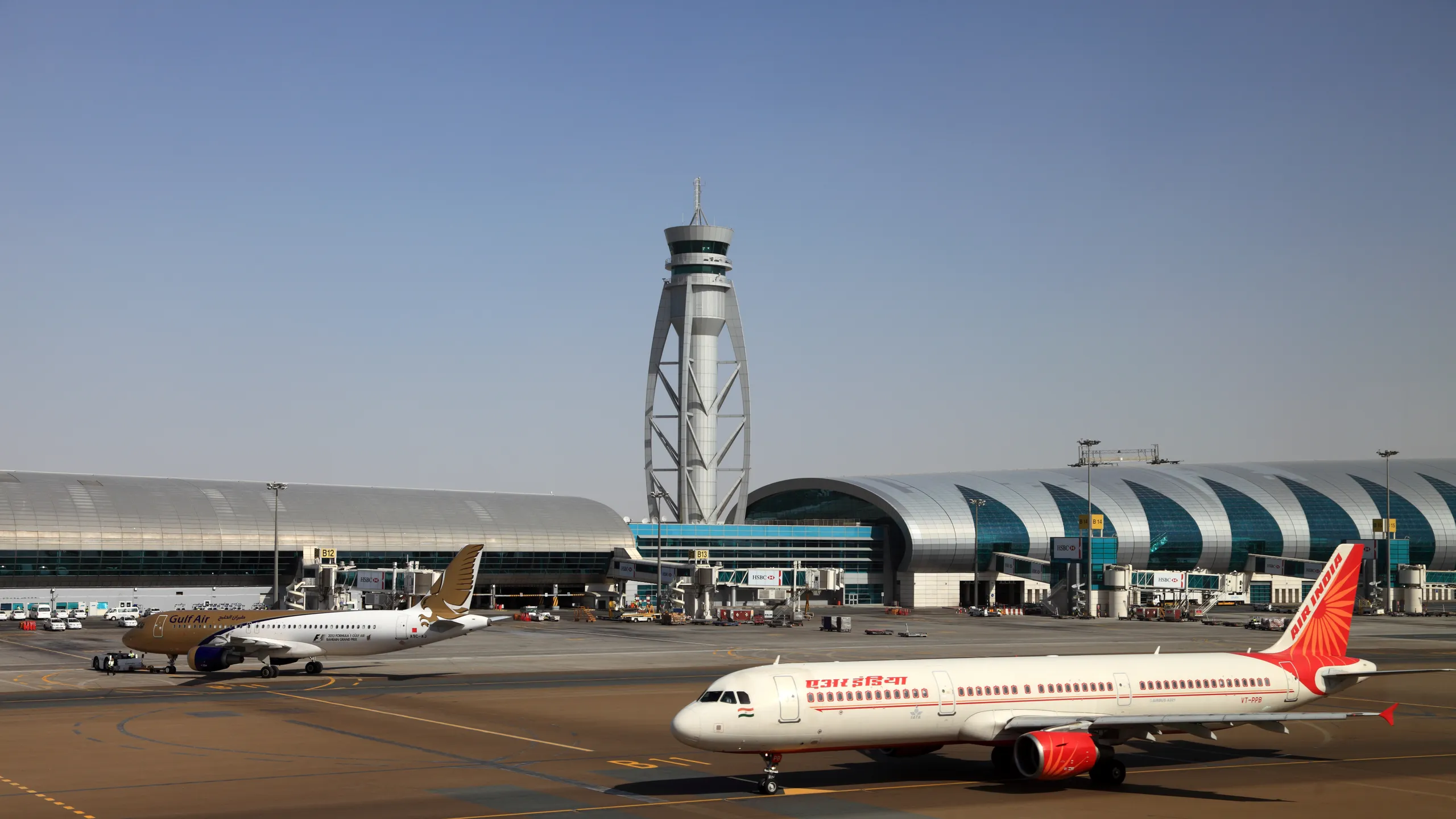
Air India and Air India Express have fully restored their flight networks across the Gulf Cooperation Council (GCC). The reinstatement of flights to Kuwait and Salalah, Oman, completes their former West Asia network. This brings their total to approximately 780 weekly flights operating between India and the region, showing the strong aviation links between India and the Middle East. Indian carrier IndiGo is "operating select flights to/from the Middle East," according to a company statement, indicating a phased approach to resuming services.
Iraqi Airways is running both domestic and international flights. Its international routes include Cairo, Istanbul, and Amman, while domestic services connect to Basra, Sulaymaniyah, and Erbil, ensuring vital connectivity within Iraq and to neighboring countries. Kuwait Airways has resumed a limited service from Kuwait International Airport's Terminal 4, stating it is "in compliance with safety procedures." This cautious resumption emphasizes the importance of safety protocols in the current climate.
Jazeera Airways is currently flying to select destinations, including Delhi, Beirut, Mumbai, Damascus, Kochi, Istanbul, Amman, Dubai, and Cairo. On Monday, July 13, Jazeera Airways issued an update to passengers, warning that some flights could be disrupted by the "intermittent closure of Kuwait International Airport and its airspace." This notes the direct impact of regional instability on daily flight operations.
Saudi Arabia's budget airline Flynas is currently operating daily flights to Dubai, Doha, and Bahrain, in addition to several international destinations such as Germany, Sri Lanka, and the Philippines, showcasing its extensive network. Oman Air has resumed flights to and from Amman, Dubai, Bahrain, and Doha, restoring key regional connections for the Sultanate.
Broader Airspace and Route Impacts
British Airways will permanently discontinue its London-Jeddah route, signaling a strategic shift in its Middle East operations. Its scheduled London-Riyadh flights, which previously operated twice daily, will be reduced to a single daily flight upon services resuming in August. British Airways flights to Dubai, Bahrain, and Tel Aviv are slated to resume on October 25, but with a significantly reduced schedule. To Dubai, there will be one flight per day, each way, down from three. Flights to Tel Aviv will be halved, with British Airways operating one flight each way to both destinations. These reductions reflect a cautious adjustment to capacity and demand in a volatile region.
Cathay Pacific has cancelled all flights to and from Dubai and Riyadh until August 31. The airline stated, "We are monitoring the situation closely and will remain agile in our response. The safety of our customers and people guides every decision we make." This statement shows the airline industry's primary concern for safety in an unpredictable environment. KLM has cancelled all flights to and from Dubai, Riyadh, and Dammam up until August 23. KLM confirmed it is "currently not flying through the airspace of Iran, Iraq, and Israel, nor over several countries in the Gulf region," indicating a full rerouting strategy to avoid perceived high-risk areas.
Japan Airlines has cancelled its Tokyo to Doha flights until July 31 and its Doha to Tokyo flights until August 1, affecting long-haul connections. Lufthansa is suspending all flights to Abu Dhabi, Amman, Beirut, Dammam, Riyadh, Erbil, Muscat, and Tehran until October 24, representing a significant temporary withdrawal from multiple Middle Eastern markets. Lufthansa's Dubai route is on pause until at least September 13. Norwegian's seasonal route to Dubai concluded on April 8, and there will be no new seasonal flights to Dubai for the foreseeable future, indicating a longer-term impact on certain leisure routes. The collective actions of these global carriers illustrate the widespread and complex challenges faced by the aviation industry in navigating the current geopolitical landscape.