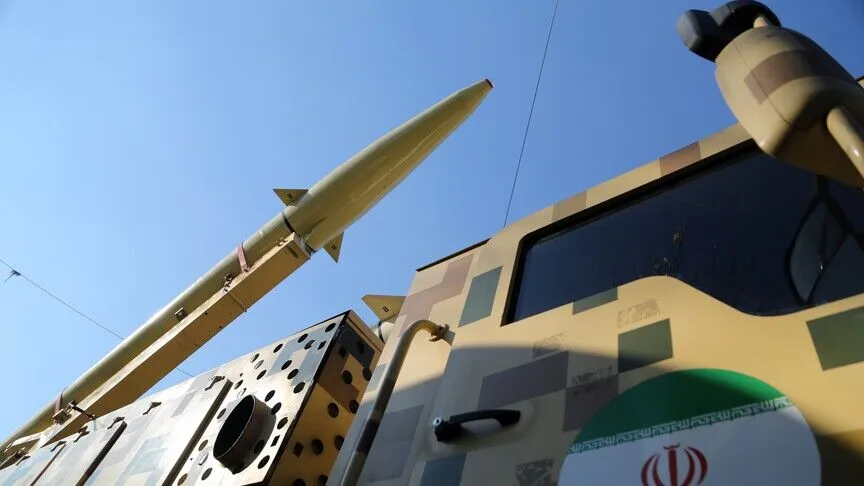
US Secretary of State Marco Rubio met with Jordan’s Deputy Prime Minister and Foreign Minister Ayman Safadi at the US State Department in Washington on Tuesday. The high-level diplomatic encounter, held in the heart of the US capital, served as a critical platform for addressing escalating regional security challenges. Their discussions focused extensively on regional tensions following recent events that have heightened concerns across the Middle East. During the meeting, Secretary Rubio unequivocally condemned Iran's "unacceptable strikes on Jordanian territory," noting the serious nature of these aggressions. This condemnation showed the ongoing security concerns that have become a central focus of international diplomacy in the region. The diplomatic talks show broader efforts to address regional stability and the significant implications of recent aggressions for peace and security.
Regional Security Concerns Intensify
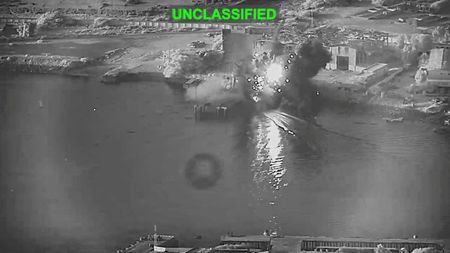
The United States and Iran have engaged in a series of exchanged attacks in recent days, a development that has significantly contributed to heightened regional tensions. This cycle of aggression has drawn international attention and concern. Iran has retaliated by targeting US military positions across the region in response to prior actions, indicating a volatile and unpredictable dynamic. Following these retaliatory strikes, the US Central Command (CENTCOM) subsequently announced a new round of strikes targeting Iran, signaling a continued escalation in military engagement. These engagements show the intensifying security challenges in the Middle East, a key topic that dominated discussions during recent diplomatic meetings, including the one between Secretary Rubio and Foreign Minister Safadi. The continued exchange of attacks raises serious questions about the trajectory of regional stability.
Jordan's Key Role and US Acknowledgment
During the extensive discussions, Secretary Marco Rubio specifically thanked Foreign Minister Ayman Safadi for Jordan’s important and constructive role in advancing regional security. This acknowledgment notes Jordan's strategic significance and its contributions to stability in a complex geopolitical landscape. The discussion also touched upon broader diplomatic efforts ongoing in the region, seeking pathways to de-escalation and long-term peace. A notable development mentioned was a Pakistani-mediated memorandum of understanding, which aims to end their conflict and reach a lasting peace agreement. This agreement, if successfully implemented, represents a potential pathway to de-escalation amidst ongoing tensions in the Middle East and could have broad impacts on regional stability. The United States views Jordan as a key partner in navigating these intricate diplomatic and security issues.
Broader Regional Context of Escalation
Tensions remain exceptionally high across the region following these recent exchanges between major actors. Iran has specifically targeted a US base located in Jordan, directly contributing to the elevated security concerns for both nations and their allies. These specific strikes conducted by Iran were reportedly aimed at degrading capabilities used to attack commercial shipping in the Strait of Hormuz, a vital international waterway. The strategic importance of the Strait of Hormuz, through which a significant portion of the world's oil supply passes, makes any threat to commercial shipping a global concern. The ongoing attacks and counter-attacks between the United States and Iran have further intensified the volatile situation in the Middle East, creating a climate of uncertainty and increasing the risk of wider conflict.
Sustained Diplomatic Engagement
The meeting on Tuesday, held at the US State Department, included full discussions regarding Iran’s “ongoing attacks on shipping and against countries in the region.” This specific agenda item showed the breadth of concerns held by the international community regarding Iran's actions. During the diplomatic engagement, officials meticulously addressed the broader implications of these actions for regional stability, examining how they contribute to insecurity and undermine efforts for peace. The sustained dialogue between the US and Jordan, exemplified by this meeting, is considered key for coordinating responses and fostering a united front against actions that threaten regional and international security.