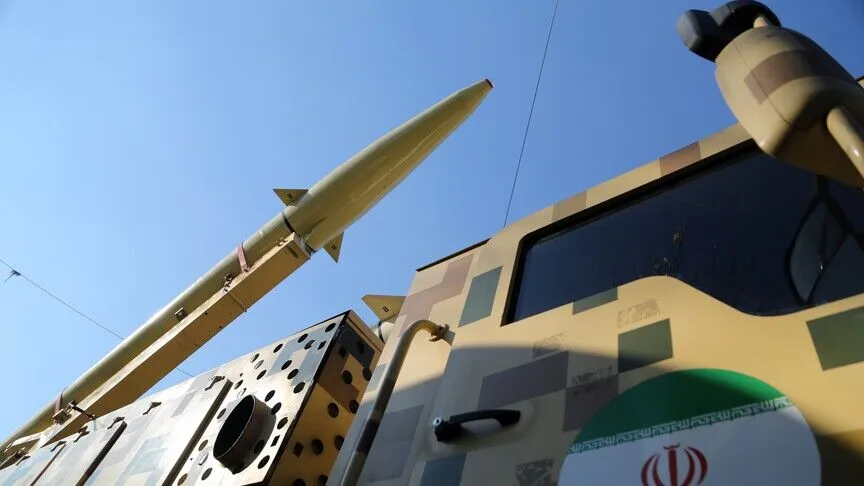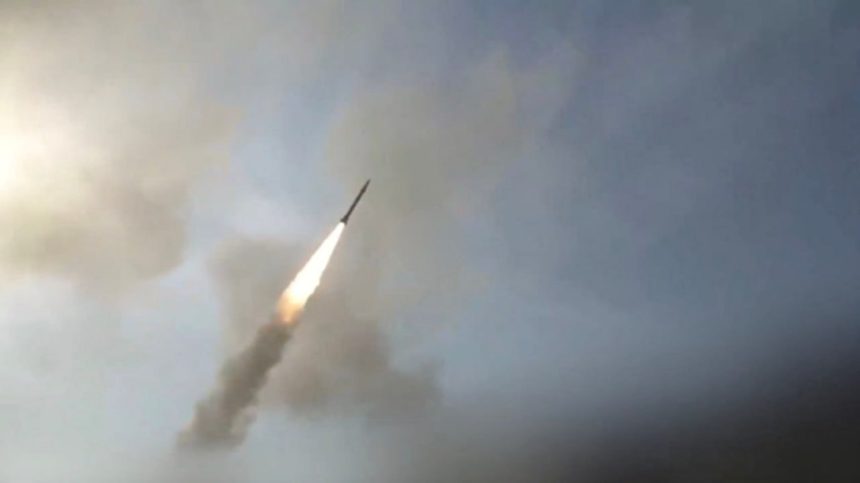
Bahrain, Kuwait, and Jordan announced defensive measures early Wednesday as regional tensions escalated following actions by Iran. Bahrain sounded nationwide air raid sirens, while Kuwait’s Ministry of Defense confirmed it intercepted hostile drones. Jordan’s Armed Forces also reported shooting down missiles launched from Iran, according to the Jordan News Agency (Petra). The coordinated defensive postures show growing concerns in the region.
Regional Air Defenses Activated
Kuwait’s Ministry of Defense announced its air defense systems intercepted hostile drones that entered the country’s airspace early Wednesday. Defense Ministry spokesperson Saud Abdulaziz al-Atwan stated the armed forces detected multiple hostile drones and responded according to established operational procedures. He added that Kuwait’s military maintained the highest level of readiness to safeguard the country’s security and the safety of citizens and residents. The Ministry confirmed that its air defense systems successfully intercepted hostile drones that had entered the country’s airspace during the early hours of Wednesday. This swift response was part of the nation's commitment to protecting its sovereign territory.
Jordan Responds to Missile Threat
Jordan’s Armed Forces said its air defense systems intercepted and destroyed three missiles that entered the kingdom’s airspace from Iran early Wednesday. A military source, quoted by the Jordan News Agency (Petra), said the interception was carried out as part of measures to protect Jordan’s sovereignty, security and citizens. No casualties or material damage were reported in Jordan as a result of the incident. Jordan’s military warned that any attempt to violate the country’s sovereignty or airspace would be met with decisive action in accordance with its rules of engagement. This firm stance notes the kingdom’s determination to maintain its territorial integrity and protect its population from external threats.
Bahrain Activates Emergency Protocols
The Interior Ministry of Bahrain activated air raid sirens across the kingdom and urged citizens and residents to remain calm, move to the nearest safe locations and follow official channels for updates amid the threat of further Iranian attacks. This measure was implemented to ensure public safety and readiness in response to the heightened regional tensions. The activation of nationwide sirens showed the seriousness of the perceived threat and the government's commitment to protective measures for its populace. Citizens and residents were advised to adhere strictly to official guidance disseminated through authorized channels to ensure their security.
U.S. Strikes and Blockade
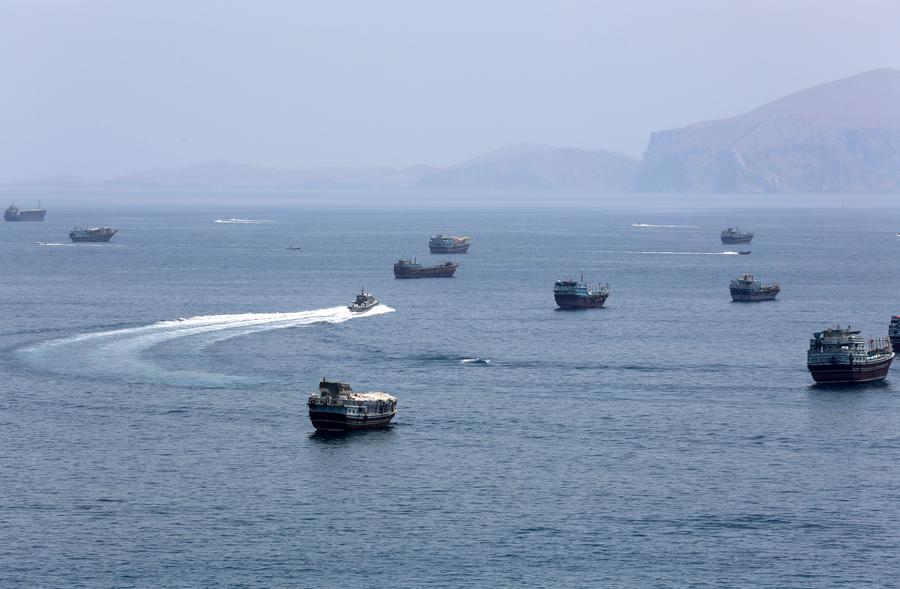
The U.S. Military launched a new wave of strikes on military targets across Iran. These actions were reportedly aimed at degrading capabilities used in attacks on commercial shipping within the Strait of Hormuz. The strikes mark an escalation in the regional conflict, directly targeting Iranian assets. This direct engagement by the U.S. Military signals a significant shift in the approach to addressing regional instability and protecting international maritime routes. The targeting of Iranian military infrastructure is intended to diminish the capacity for future aggressions, particularly those affecting global trade and shipping in critical waterways.
Concurrently, U.S. President Donald Trump reinstated a naval blockade on Iranian ports. The blockade aims to restrict maritime access and severely impede Iran's ability to conduct trade and receive supplies via sea. This measure is designed to exert economic pressure on Iran, limiting its resources and capabilities. The re-establishment of the naval blockade represents a significant tightening of international sanctions and a deliberate effort to isolate Iran economically. It is expected to have broad implications for Iran's economy and its ability to project power in the region.
Context of Escalation
Two days earlier, Bahrain's Defense Force stated its air defense systems had intercepted and destroyed Iranian missile and drone attacks targeting the kingdom. The force accused Iran of continuing attacks against civilians. Bahrain's military had announced a day earlier that it intercepted four missiles launched from Iran. These prior incidents provide a critical backdrop to the defensive measures taken on Wednesday, illustrating a pattern of escalating aggression attributed to Iran. The repeated interceptions highlight the ongoing nature of the threats faced by Bahrain and its consistent efforts to defend its territory and population. The accusations of attacks against civilians further show the gravity of the situation and the humanitarian concerns arising from the conflict.
Published: 2026/07/15 11:22 AM Updated: 2026/07/15 11:23 AM