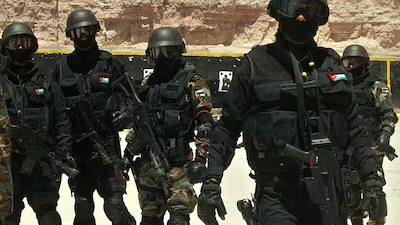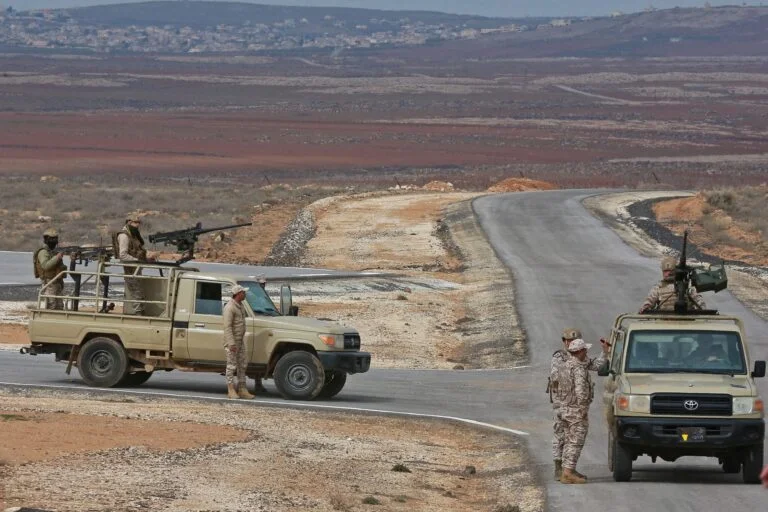
The Jordanian Armed Forces initiated a significant military and security operation along its northern border on Sunday, targeting sites associated with arms and drug smuggling networks. This large-scale military and security operation was announced by the Jordanian Armed Forces as a direct response to the persistent threat posed by these illicit activities. The Jordanian military and Syrian state media reported that Jordan executed a wave of strikes in the Druze-majority Syrian province of Sweida, hitting at least five locations, including warehouses in the Syrian town of Arman. Local sources informed Syrian media that the Jordanian army likely targeted a headquarters containing weapons and drugs controlled by rebel groups in the village of Shahba in Sweida. The Jordanian army stated it "carried out a Jordanian deterrent operation targeting several locations used by arms and drug traffickers along the Kingdom’s northern border." It added that it would "continue to deal proactively, decisively, and deterrently with any threat to the security and sovereignty of the Kingdom and will dedicate their capabilities and resources to confronting it with full force and determination."
Operation Details and Objectives
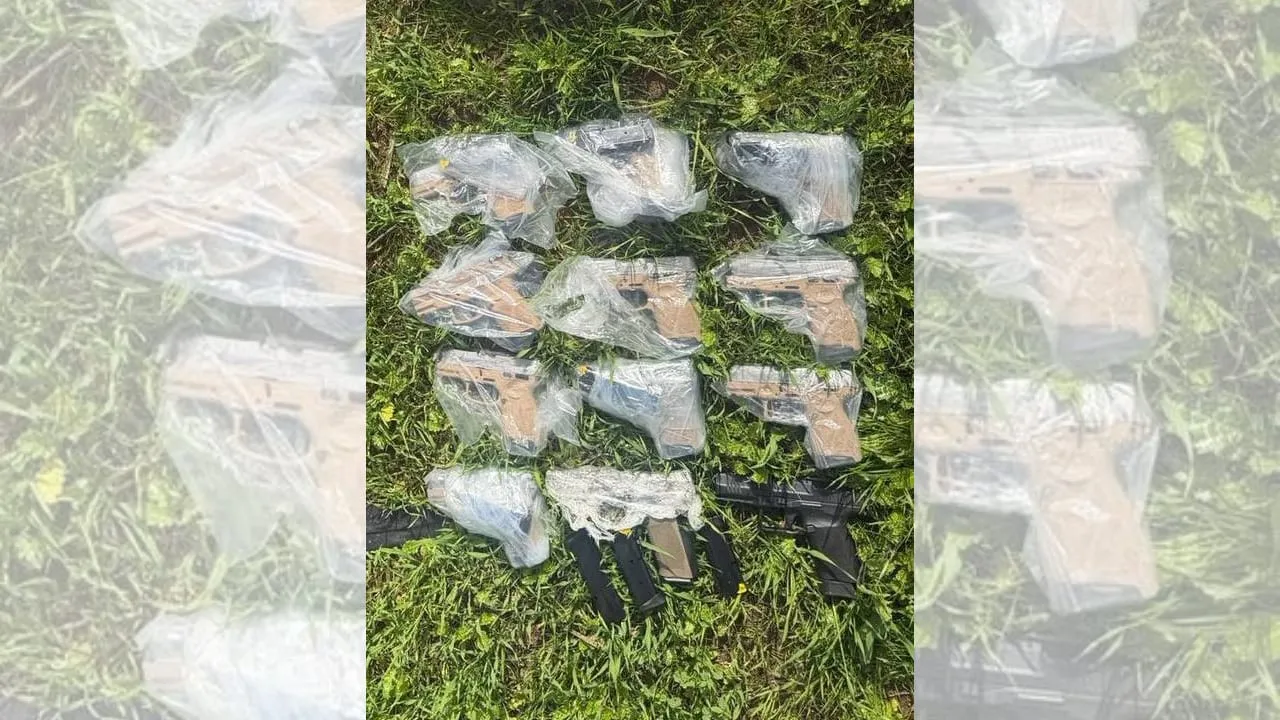
The operation forms part of Jordan's ongoing efforts to protect national security and prevent the infiltration of illicit materials into the country. The Jordanian Armed Forces initiated the preemptive operation after detecting increased activity by smuggling networks along the northern border. This heightened activity, characterized by more frequent attempts to transport illicit goods and weapons, prompted the decisive response from Amman. Targets of the operation were engaged with high precision, leading to the destruction of several sites previously used for storage and launching smuggling operations. These sites included critical infrastructure for the networks, such as depots for narcotics, caches for weaponry, and staging points for cross-border movements. During the operation, authorities also thwarted several smuggling attempts across the border itself, intercepting consignments and apprehending individuals involved in the trafficking. This strategic move by Jordan occurs within the context of escalating security challenges along its northern border, which has become a significant conduit for illegal trade. The increasing audacity and sophistication of these organized smuggling gangs, exploiting the turbulent regional situation, have necessitated a more strong and proactive approach from Jordanian security forces.
Regional Context and Smuggling Routes
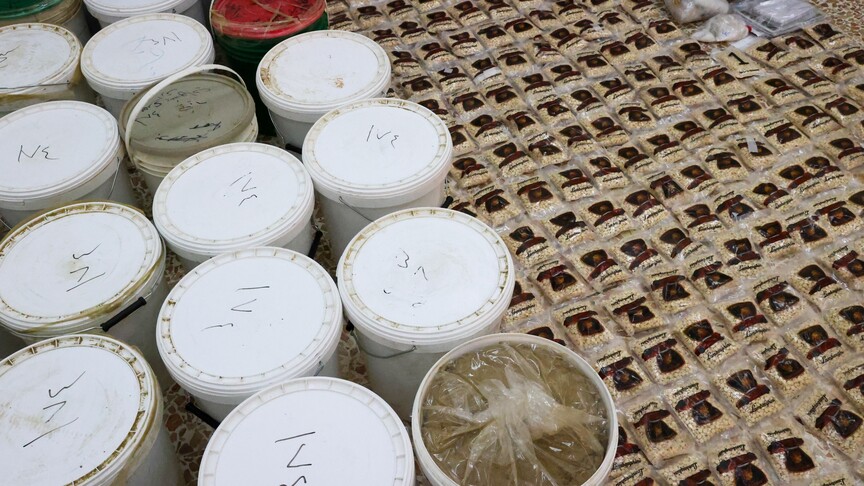
Jordanian military forces have previously conducted strikes targeting drug smugglers within Syria, indicating a sustained effort to counter these threats. This current operation occurs amidst heightened activity by organized smuggling networks, which are capitalizing on the volatile regional environment to expand their operations. The networks are known to exploit the porous borders and areas of reduced governmental control to facilitate their illicit trade, posing a direct threat to regional stability and national security. The primary illicit material of concern is Captagon, an amphetamine-like stimulant that has seen a dramatic rise in production and trafficking.
Some experts estimate that approximately 80% of the global supply of the amphetamine-like stimulant Captagon originates from Syria. This statistic shows the scale of the challenge and the deep entrenchment of drug production within certain parts of the country. The illicit Captagon trade is a multi-billion dollar industry, funding various armed groups and criminal organizations across the region. The Syrian Interior Ministry reported on Saturday that its anti-narcotics department successfully dismantled a smuggling network and destroyed several drug manufacturing facilities situated near Syria's border with Lebanon. This operation, conducted by Syrian authorities, notes the broader regional efforts to combat the drug trade. As part of this operation, the ministry stated it confiscated nearly a million Captagon pills and one kilogram of hashish. The ministry claimed these illicit substances were being trafficked through Syria from Lebanon, intended for distribution to other neighboring countries, illustrating the complex, multi-national routes utilized by these networks. The flow of these substances not only poses a public health crisis but also destabilizes communities and fuels criminal enterprises.
Jordan's Stance and Future Measures
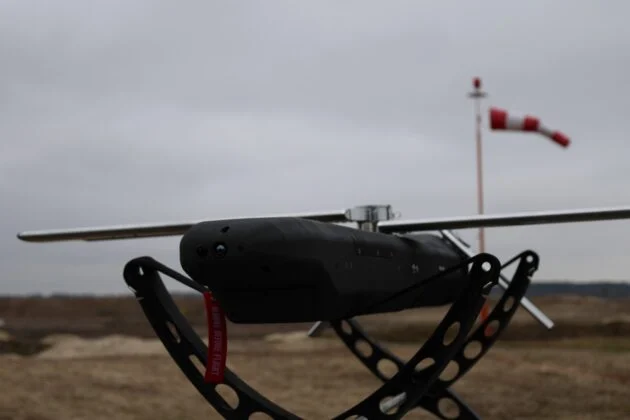
The Jordanian Armed Forces confirmed the present military movements are part of the Kingdom's "deterrence" strategy in confronting cross-border threats. This strategy aims to send a clear message to smuggling networks that their activities will not be tolerated and will be met with decisive force. Amman is also bolstering its military readiness and intensifying border surveillance to ensure the protection of its territory and the safety of its citizens. These measures include deploying advanced surveillance technologies, increasing patrol frequencies, and enhancing the training of border guards to effectively counter infiltration attempts. Jordan will not tolerate any attempts to undermine its security and stability, according to official statements, emphasizing the nation's steadfast commitment to defending its sovereignty.
Field operations and coordination with security agencies to track down smuggling networks and dismantle their funding sources will continue. This full approach involves intelligence gathering, interdiction efforts, and targeting the financial infrastructure that supports these criminal enterprises. Observers believe this operation reflects a shift towards intensified border security measures by Jordan, indicating a more aggressive posture against cross-border criminal activities. The Kingdom's proactive stance is a direct response to the evolving nature of threats along its northern frontier, demonstrating a resolve to safeguard its national interests and the well-being of its population. The sustained pressure on these networks is expected to disrupt their operations and mitigate the flow of illicit materials into and through Jordanian territory.