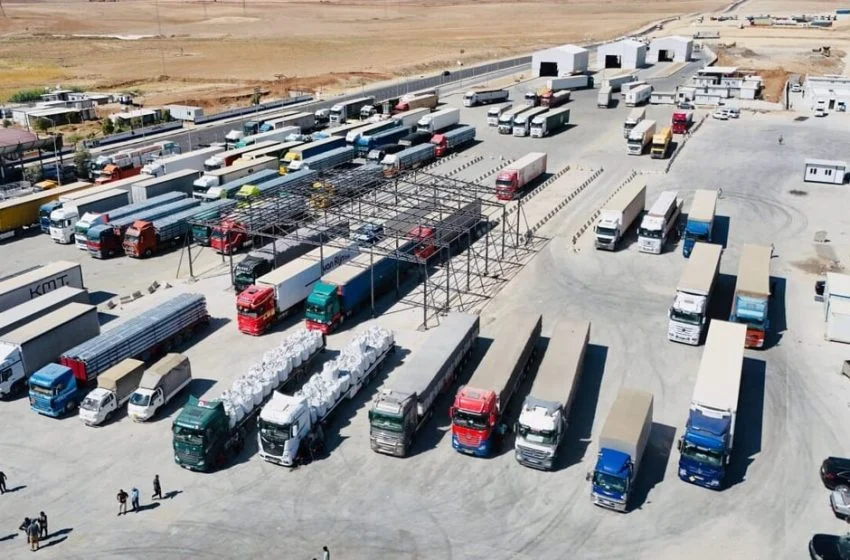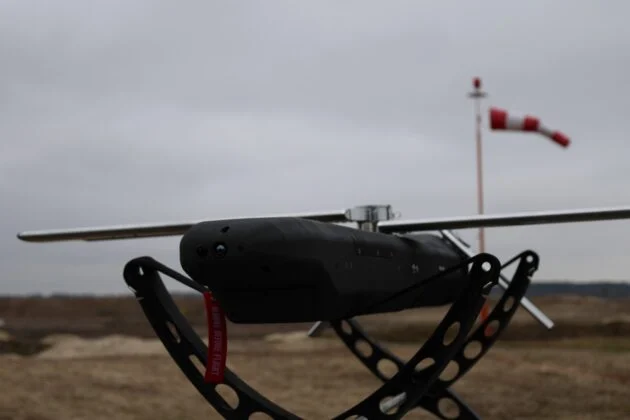
Cambridge Aerospace's Skyhammer interceptor missiles and launchers successfully completed trials in Jordan, less than two weeks after the UK Ministry of Defence signed a multi-million-pound contract with the company. The tests, conducted at one of Deep Element’s defense development facilities in Jordan, validated the system designed specifically to counter Shahed-style attack drones. The UK Ministry of Defence stated on April 10 that the first tranche of interceptor UAVs and launchers would be delivered to UK Armed Forces in May, with additional missiles and associated launchers following within the first six months of the agreement.
The Ministry of Defence confirmed that the "substantial first tranche of missiles and launchers will be delivered in May, with more set to be supplied within the first six months of the agreement." This initial delivery of Skyhammer missiles and launchers to UK Armed Forces in May marks a significant milestone for the program. The multi-million-pound contract, according to the Ministry, "is set to include integration, technical support and end user training." This full package ensures that the recipient forces will be fully equipped and trained to operate the advanced system effectively. Cambridge Aerospace indicated that it is "scaling its manufacturing capacity at speed, with a second production facility currently undergoing final fit out" to meet demand. The Skyhammer interceptor missiles have a 30km range. Cambridge Aerospace described itself as "a fully sovereign British high-technology company which aims to eliminate the risk of missile strikes on NATO and its allies." The Ministry of Defence noted Skyhammer as a "cost-effective air defence solution." Cambridge Aerospace further noted that "Recent testing delivered consistent successful interceptions of [Iranian] Shahed-style drones in a variety of conditions, with the autonomous platforms identifying, tracking and intercepting the target." The company also mentioned its commitment to "consistent, iterative testing… to ensure it is able to counter a range of threats and integrate with a wide range of sensors." Cambridge Aerospace confirmed the contract includes "a significant number" of systems.
Trials and Capabilities
The Skyhammer interceptor missiles achieved a top speed of 700km/h during trials, demonstrating their rapid response capabilities. Minister for Defence Readiness and Industry Luke Pollard MP witnessed the trial, having been in the region for diplomatic and defense engagement that included Kuwait and Jordan. While in Jordan, Mr. Pollard met with Major General Yousef Alhnaity, Chairman of the Joint Chiefs of Staff, discussing regional security and defence cooperation.
Recent testing demonstrated consistent successful interceptions of Iranian Shahed-style drones across various conditions, according to Cambridge Aerospace. The company stated that "the autonomous platforms identifying, tracking and intercepting the target." These trials show the Skyhammer's effectiveness against a prevalent threat in modern warfare. Mr. Pollard described Cambridge Aerospace as "a perfect example of a UK start up innovating, with the backing of this government, to deliver cutting edge technology." This endorsement notes the government's confidence in the company's capabilities and the Skyhammer system.
Cambridge Aerospace conducted its first flight tests with the Skyhammer design within six weeks of its launch. Testing of the Skyhammer system began in early 2025, following the establishment of Cambridge Aerospace in late 2024. The company emphasized its commitment to "consistent, iterative testing… to ensure it is able to counter a range of threats and integrate with a wide range of sensors." This continuous development approach aims to keep the Skyhammer system at the forefront of counter-drone technology. Cambridge Aerospace has described itself as "a fully sovereign British high-technology company which aims to eliminate the risk of missile strikes on NATO and its allies." The company is currently "scaling its manufacturing capacity at speed, with a second production facility currently undergoing final fit out" to meet demand, which includes "a significant number" of systems as part of the recent contract. The company's expansion plans are key for fulfilling the significant orders anticipated from both the UK and its international partners.
Contract and Economic Impact
The multi-million-pound deal with Cambridge Aerospace is projected to generate more than 50 new jobs at the company while supporting 125 existing positions. This significant investment in the UK's defense industry shows the government's commitment to fostering technological innovation and job creation. The UK government has committed to increasing defense spending to 2.6 percent of GDP from 2027, demonstrating a long-term strategic focus on national security and defense capabilities. The Ministry of Defence (MoD) has established a new task force dedicated to accelerating financing and licensing processes for exports to Gulf partners, streamlining the path for UK defense technology to reach key allies.
The launch contract for Skyhammer covers the provision of an undisclosed number of systems for use by both the UK armed forces and its Gulf partners. This dual-use strategy notes the system's versatility and the collaborative nature of defense initiatives. Cambridge Aerospace is expected to provide a significant number of Skyhammer systems intended for deployment against drones and low-speed missiles, addressing a critical need in modern air defense. The UK and Gulf states are set to procure Skyhammer interceptor unmanned aerial vehicles (UAVs) from the UK start-up Cambridge Aerospace. This contract was anticipated to be signed in 'the near future' as of April 13, 2026, indicating a well-planned and strategic procurement process.
Skyhammer is described as a low-cost, rapidly scalable interceptor designed to counter cruise missiles and large UAVs. The system utilizes Cambridge Aerospace's proprietary information and its own supply chains, which the company states helps reduce costs and enhance long-term supply chain resilience. This approach not only makes the system more economically viable but also ensures a stable and secure supply chain for essential components. Cambridge Aerospace is currently "scaling its manufacturing capacity at speed, with a second production facility currently undergoing final fit out" to meet demand, which includes "a significant number" of systems as part of the recent contract. The expansion of manufacturing capabilities is a direct response to the anticipated high demand for this innovative defense solution.
Cambridge Aerospace has described itself as "a fully sovereign British high-technology company which aims to eliminate the risk of missile strikes on NATO and its allies." This self-description emphasizes the company's strategic importance and its role in bolstering collective security. The company also states that "Recent testing delivered consistent successful interceptions of [Iranian] Shahed-style drones in a variety of conditions, with the autonomous platforms identifying, tracking and intercepting the target." These successful interceptions reinforce the system's operational effectiveness in real-world threat scenarios. Cambridge Aerospace emphasized its commitment to "consistent, iterative testing… to ensure it is able to counter a range of threats and integrate with a wide range of sensors." This dedication to continuous improvement is vital for adapting to evolving aerial threats.
Strategic Context and Future
Minister for Defence Readiness and Industry Luke Pollard MP met with Kuwait’s Minister of Defence, Sheikh Abdullah Ali Abdullah Al-Salem Al-Sabah, during his diplomatic and defense engagement in the region. This meeting showed the strong defense ties between the UK and Kuwait. The UK currently operates the Rapid Sentry and ORCUS early warning systems within Kuwait, further cementing their strategic partnership in regional security. Cambridge Aerospace launched the development of its Skyhammer system in January 2025, marking the beginning of its journey to address advanced aerial threats. The company is currently scaling its manufacturing capacity, with a second production facility undergoing final fit out to meet demand, according to Cambridge Aerospace. This expansion is critical for fulfilling both domestic and international orders.
The need for strong counter-drone capabilities has been showed by conflicts in Ukraine and the recent US/Israeli conflict with Iran, noting the increasing prevalence and effectiveness of drone warfare. In response to these evolving threats, the UK government has also placed additional contracts to acquire Thales Martlet missiles, intended for use with ground-based air defence units, indicating a multi-faceted approach to air defense. Cambridge Aerospace unveiled the Skyhammer and displayed a mock-up of the system at the Defence and Security Equipment International (DSEI) 2025 exhibition, which took place in London from September 9-12. This public unveiling provided a key platform to showcase the Skyhammer's capabilities to a global audience of defense professionals.
On September 1, 2025, Cambridge Aerospace described itself as "a fully sovereign British high-technology company which aims to eliminate the risk of missile strikes on NATO and its allies." This statement reflects the company's ambition and its alignment with broader NATO defense objectives. The company states that recent testing involved successful interceptions of Iranian Shahed-style drones "in a variety of conditions, with the autonomous platforms identifying, tracking and intercepting the target." These successful test results provide strong evidence of the Skyhammer's advanced performance. Cambridge Aerospace has also committed to "consistent, iterative testing… to ensure it is able to counter a range of threats and integrate with a wide range of sensors." This ongoing development ensures the Skyhammer remains adaptable and effective against future aerial threats. The company's efforts to increase production capacity include "scaling its manufacturing capacity at speed, with a second production facility currently undergoing final fit out" to deliver a "significant number" of systems. This strategic expansion is vital for meeting the growing global demand for advanced counter-drone technology.