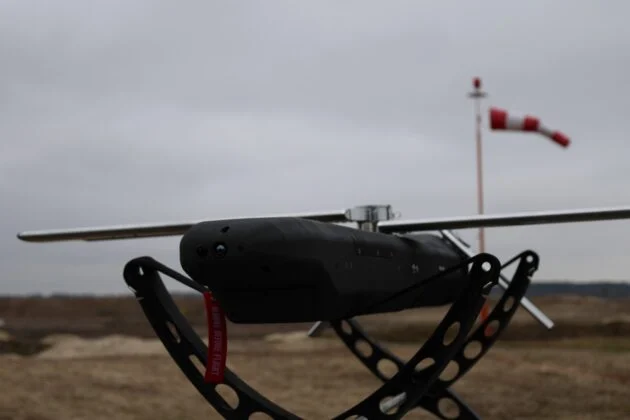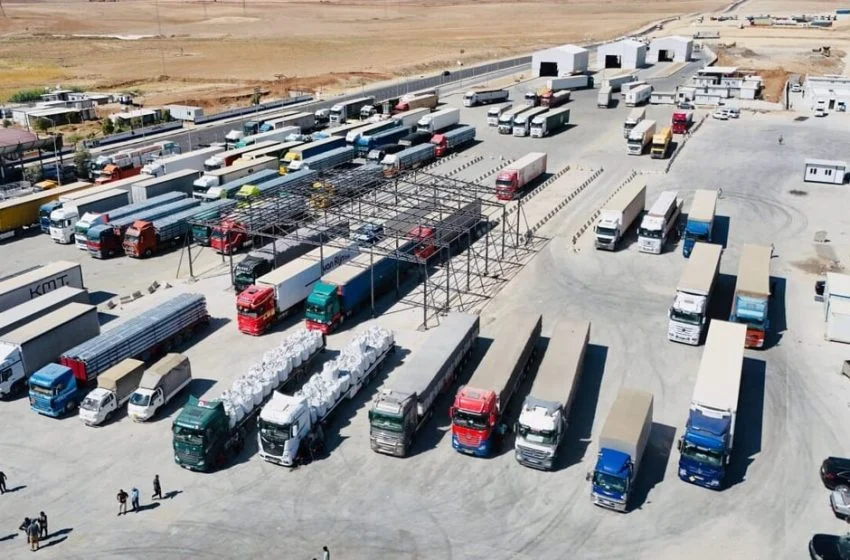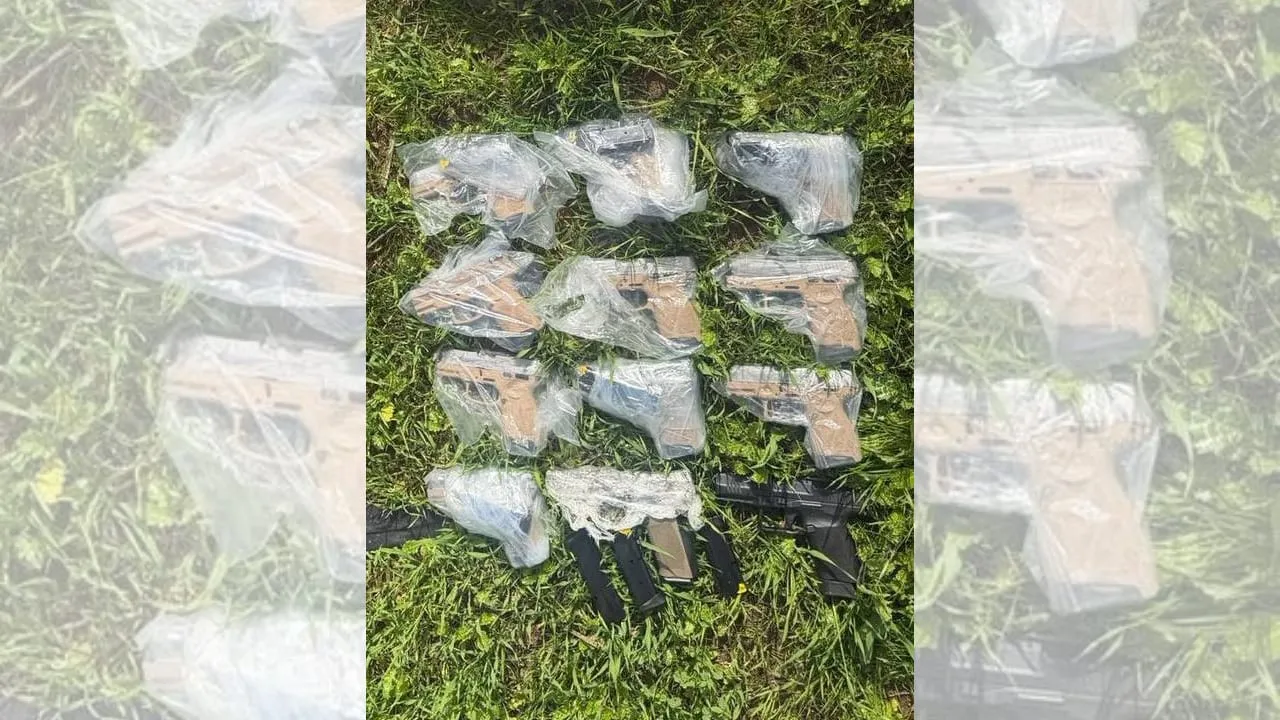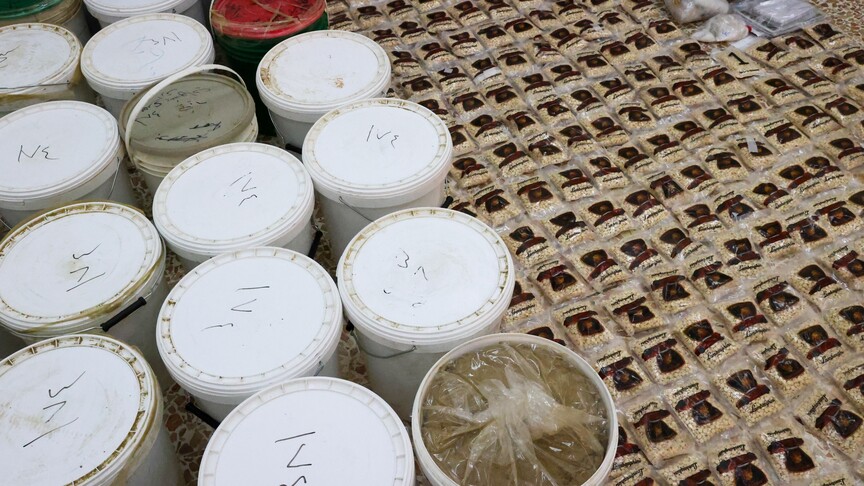
Jordanian armed forces conducted strikes early Sunday against sites utilized by drug and arms smugglers along the kingdom’s northern border in southern Syria. The operations targeted locations involved in illicit cross-border activities, aiming to disrupt the flow of contraband that poses a significant security risk. These strikes represent a continued effort by Jordan to combat the growing problem of cross-border smuggling. Separately, Israeli prosecutors recently filed indictments in the Beersheba District Court against three southern residents. These individuals allegedly used drones to smuggle approximately 120 kilograms of hashish into Jordan and return with 44-48 Glock pistols into Israel between November 2025 and January 2026, near the Dead Sea Works area close to the Israel-Jordan border. The filing of these indictments last week notes the multi-faceted nature of cross-border illicit trade in the region, involving both narcotics and weaponry.
Escalating Smuggling Threats
The rise in smuggling attempts across the Jordan-Syria border presents a major challenge for Jordanian border officers. This increase has prompted Jordan to conduct similar strikes against drug trafficking networks along its northern border with Syria in recent years. The kingdom views the significant rise in these illicit activities as a direct threat to its national security, necessitating strong and proactive measures. The persistent nature of these smuggling operations, particularly involving drugs and arms, continues to strain border security resources and poses a complex problem for regional stability. Jordanian officials have repeatedly expressed concerns over the origins and destinations of these illicit goods, emphasizing the need for concerted action.
Syrian Political Transition
Syria's new administration is strengthening security across the country after the ouster of Bashar al-Assad in late 2024. Mr. Al-Assad, who ruled for 24 years, fled to Russia following his departure from power. His long tenure, which began in 2000, ended with the significant political shift. The Ba'ath Party's rule, which had been in power since 1963, concluded in 2024, marking the end of over six decades of continuous governance by the party. A transitional administration, led by President Ahmad Al-Sharaa, officially took office in January 2025. This new leadership is focused on re-establishing control and stability across Syrian territories, including its border regions, which have long been susceptible to various illicit activities. The transition period is critical for the new administration as it seeks to consolidate power and address the numerous challenges facing the nation, including those emanating from its borders.
Operational Details and Context
Syrian state television, Al-Ikhbariya TV, reported that Jordanian warplanes targeted a location suspected of containing weapons and narcotics in Shahba village, situated within Suwayda province. This specific strike shows the precision and intent behind Jordan's military actions against smuggling infrastructure. The strike marks an escalation in efforts to curb illicit cross-border activities, reflecting the urgency with which Jordan is addressing the issue. According to reports from the region, drone activity was observed in the targeted areas following the strikes, alongside movements of ambulances. These observations suggest a response to potential casualties or damage from the operations, indicating the immediate aftermath and impact of the military action. The actions come as Jordan continues to address the significant rise in smuggling attempts across its northern border with Syria, which it considers a direct national security threat. The ongoing efforts by the Jordanian armed forces highlight the complex security landscape along the Syria-Jordan frontier, where regional stability is continuously challenged by organized criminal networks.