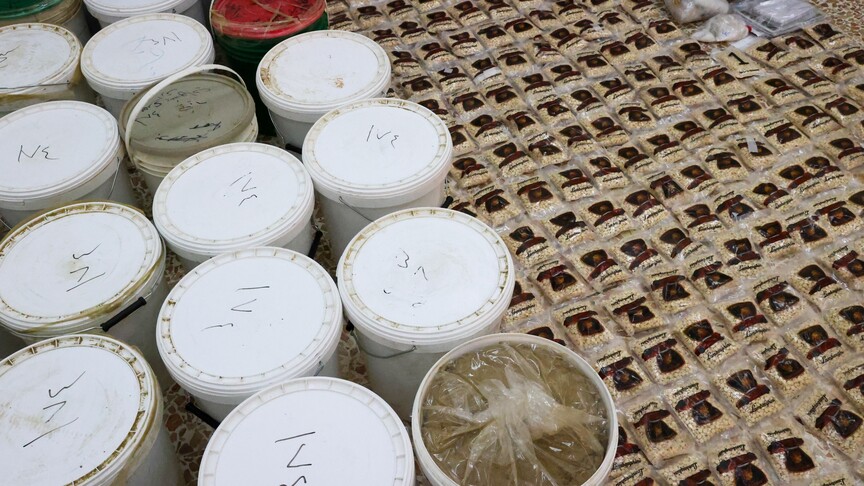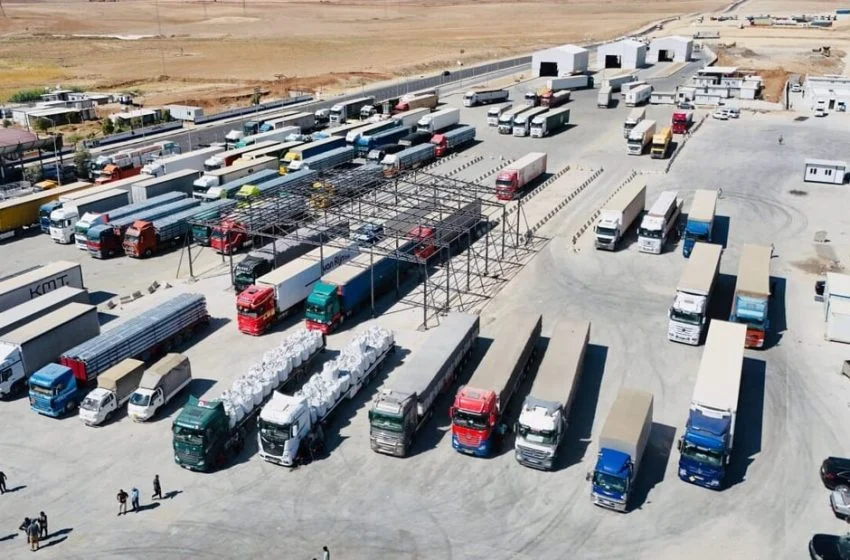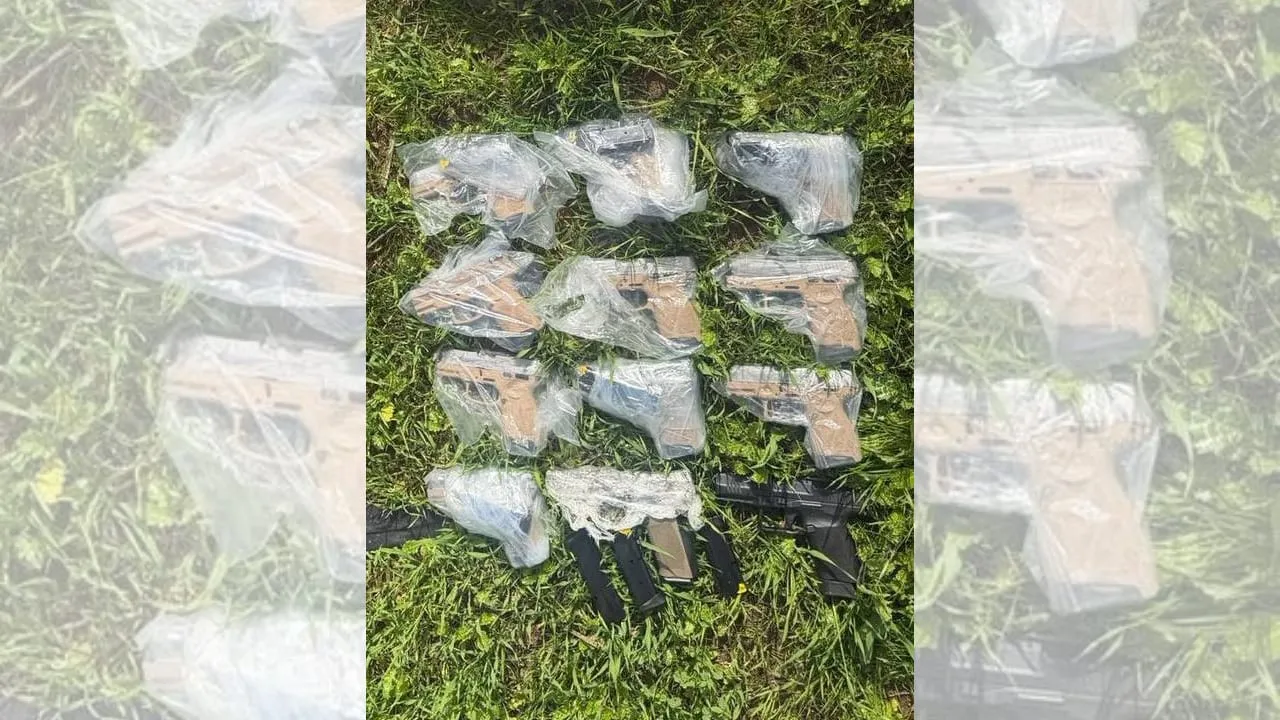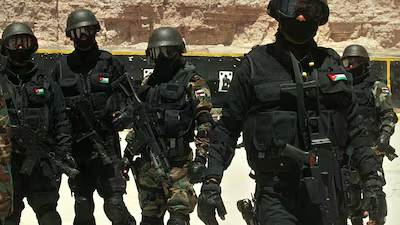
Jordanian forces carried out a predawn deterrence operation on Sunday, May 3, 2026, targeting illicit smuggling infrastructure along its northern border. The military operation specifically struck factories, workshops, and warehouses reportedly used for the trafficking of drugs and arms into Jordan. These facilities were located along the kingdom's northern frontier, which it shares with Syria. According to reports, the strikes were conducted with precision, employing advanced intelligence to ensure accuracy. Officials indicated the primary objective of these actions was to prevent weapons and narcotics from entering Jordanian territory, thereby safeguarding national security and public health. The operation shows Jordan's sustained and determined efforts to counter cross-border smuggling activities that have become a significant regional challenge.
This latest operation notes a proactive stance by Jordan against the persistent threat posed by well-organized smuggling networks. The strategic targeting of these facilities aims to disrupt the operational capabilities of these illicit organizations at their source, rather than solely focusing on interdiction at the border. The precision of the strikes suggests a detailed understanding of the networks' logistics and infrastructure, allowing Jordanian forces to inflict maximum damage on their illicit operations.
Border Security Intensifies Amid Mounting Challenges
Targets for the recent predawn operation were identified through full intelligence gathering and operational data, according to Jordanian officials. This careful preparation ensures that military actions are focused and effective, minimizing collateral damage while maximizing impact on the smuggling infrastructure. Authorities indicate that trafficking networks frequently exploit challenging weather conditions, such as sandstorms or heavy fog, and the complex regional environment to evade detection by security forces. These tactics make continuous surveillance and rapid response capabilities key for effective border control. The rugged terrain and often remote nature of the border regions further complicate efforts to patrol and secure the extensive frontier.
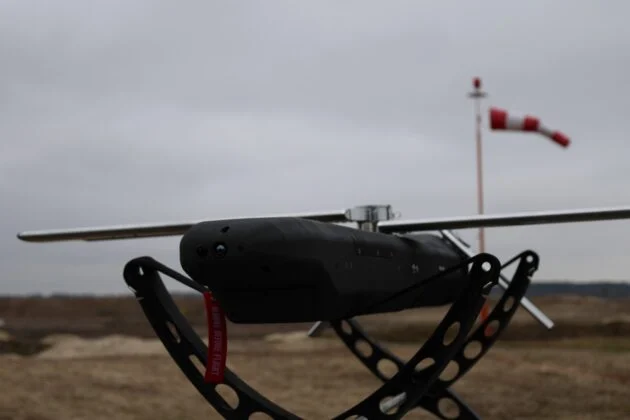
Jordanian authorities have also reported intercepting smuggling attempts involving unconventional methods, such as remotely guided balloons. These innovative and often desperate measures by smugglers demonstrate the evolving nature of the threat and the lengths to which these networks will go to transport their illicit cargo. The kingdom has faced a significant challenge from narcotics, with large quantities of Captagon, an amphetamine-type stimulant, being among the more frequently seized drugs. The prevalence of Captagon in seizures points to a well-established and highly profitable trade route for this particular stimulant, which has devastating effects on communities across the region.
Jordan has previously conducted similar air strikes targeting smuggling infrastructure, demonstrating a consistent policy of aggressive deterrence. Such operations occurred in southern Syria in December 2023 and again in December 2025, indicating a pattern of strategic engagement against these threats beyond its immediate borders. The ongoing efforts to combat illicit trade have also led to tragic casualties among security personnel, noting the inherent dangers faced by those on the front lines. In March 2026, three Jordanian security personnel were killed during a raid conducted in east Amman, showing the high stakes and violent nature of confronting these criminal networks within urban areas as well. These incidents serve as a stark reminder of the sacrifices made by security forces in their mission to protect the kingdom.
Regional Smuggling Networks and Coordinated Responses
Jordan carried out a wave of strikes in the Druze-majority Syrian province of Sweida, according to reports. These actions are part of a broader strategy to dismantle the operational bases of drug and arms traffickers. The Jordanian military has also been known to conduct strikes against drug smugglers operating within Syria, officials indicated, reflecting a proactive approach to neutralize threats before they reach Jordanian territory. These actions reflect broader regional efforts to counter illicit trade, which often involves complex cross-border coordination among various criminal elements. The cross-border nature of these networks necessitates a regional response, with countries increasingly sharing intelligence and coordinating operations.
Syria's Interior Ministry announced on Saturday that its anti-narcotics department dismantled a significant smuggling network near Lebanon's border. As part of this extensive operation, Syrian authorities also destroyed a number of drug manufacturing facilities in the area, directly impacting the production capabilities of these organizations. The ministry claimed to have seized nearly a million Captagon pills and one kilogram of hashish during the interdiction, representing a substantial blow to the illicit drug trade. These operations highlight the persistent challenge posed by cross-border smuggling networks to regional security forces and the necessity for continuous vigilance and inter-state cooperation. The sophisticated nature of these networks, often involving multiple countries in their supply chains, demands a multi-faceted and collaborative approach to enforcement.
Strategic Deterrence and the Fight for a Drug-Free Border
Jordan has aimed to establish a drug-free border with Syria since the fall of Bashar Al Assad's regime in December 2024. This strategic objective reflects a long-term commitment to securing its northern frontier from the destabilizing effects of illicit trade. Some experts have estimated that as much as 80% of the world's supply of the amphetamine-like stimulant Captagon originates from Syria, making the country a critical hub in the global drug trade. The seized drugs, according to reports, were being transmitted through Syria from Lebanon, destined for distribution to other neighboring countries, illustrating the intricate regional routes used by these networks. The flow of these narcotics not only poses a public health crisis but also fuels instability and funds criminal activities across the Middle East.
The scale of the Captagon trade shows the immense profitability for those involved and the significant resources required to combat it. The drug's production and distribution have become deeply entrenched, making full and sustained efforts essential for any meaningful impact. In February 2026, Syrian authorities seized 75 hot-air balloons and over 2 million Captagon pills in an operation specifically targeting drug trafficking. This interception of both the means of transport and the illicit cargo itself demonstrates the ongoing, multi-pronged efforts by regional authorities to disrupt the supply chain at various points. The use of hot-air balloons further illustrates the desperate and ingenious methods employed by smugglers to bypass conventional border security measures, presenting an evolving challenge for law enforcement agencies. The commitment to a drug-free border remains a cornerstone of Jordan's national security policy, driven by the understanding that unchecked smuggling undermines regional stability and the well-being of its population.