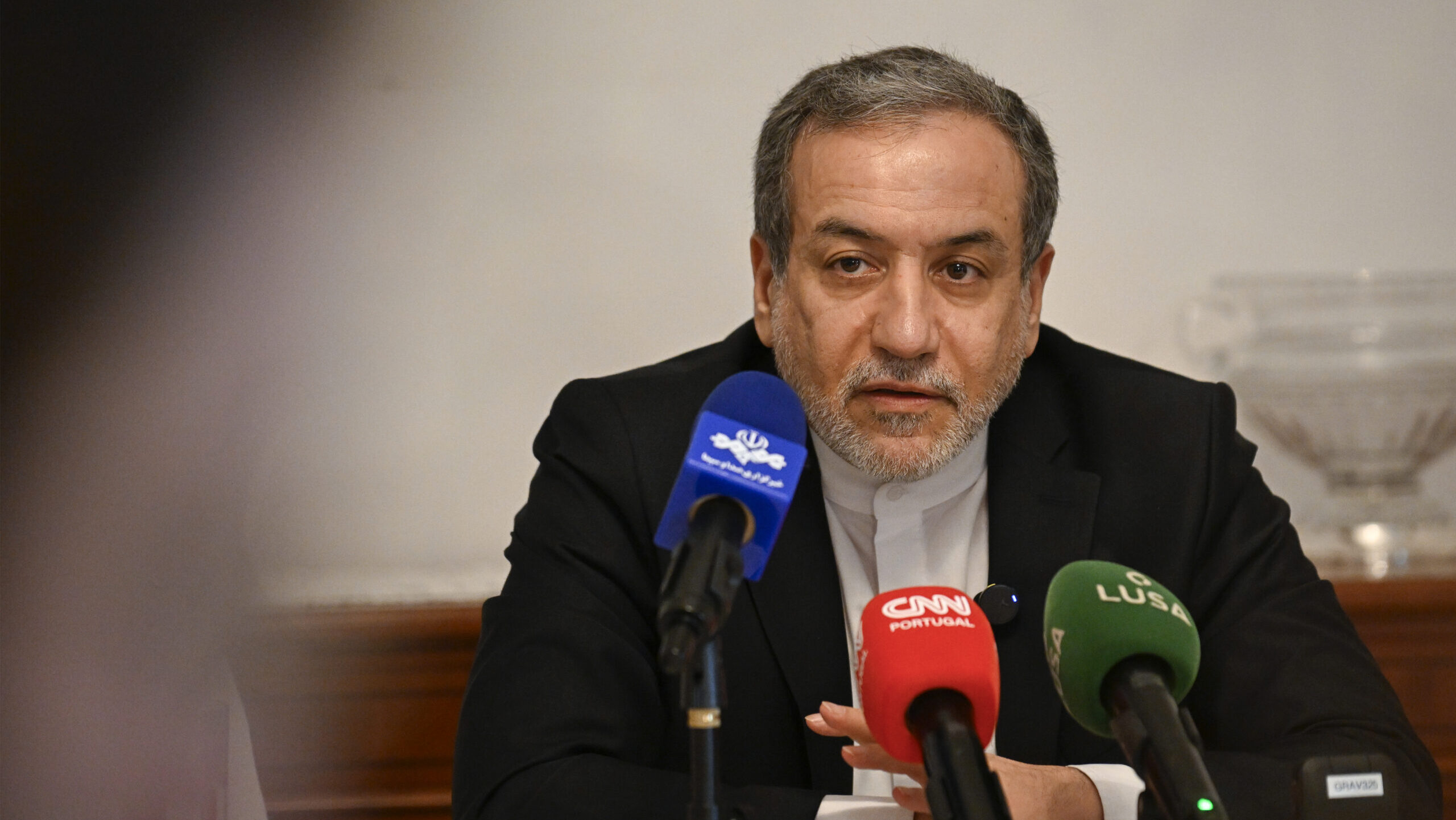
Iranian Foreign Minister Abbas Araghchi stated that Iran had inflicted “heavy damage” against US military assets in the region, a claim made amid heightened tensions. This assertion from the Iranian official came as regional security concerns escalated significantly. Simultaneously, in Bahrain, the Interior Ministry reported that multiple warning sirens were activated across the country early Wednesday. These activations prompted residents to seek shelter as a precautionary measure, noting the immediate impact of the ongoing aerial threats on civilian populations. The widespread nature of these alerts showed the broad geographical scope of the recent incidents.
Iranian Retaliation Claims
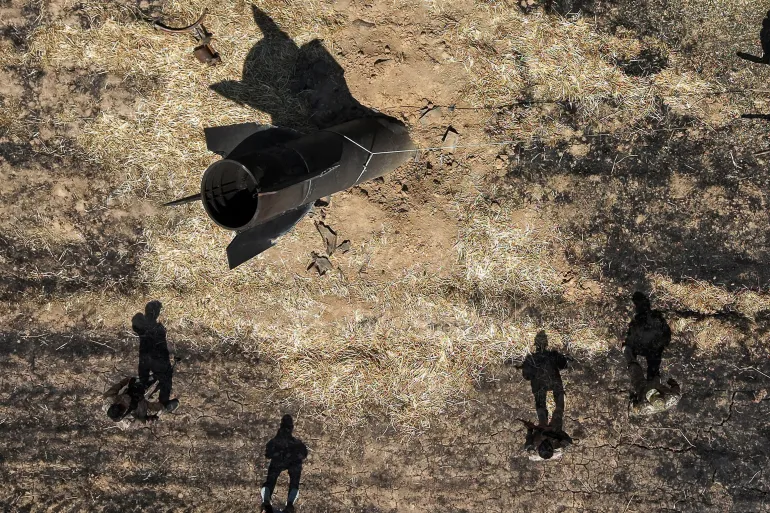
Kuwait's army reported that it was responding to an aerial attack after the Islamic Revolutionary Guard Corps (IRGC) announced that it had targeted the Ali Al Salem base with drones. The IRGC's declaration specified that the drone attack was a direct response to perceived aggressions. The United States stated it had intercepted nearly all missiles and drones launched in an apparent response, emphasizing the effectiveness of its defensive systems against the incoming threats. Iranian Foreign Minister Abbas Araghchi warned that Tehran would continue to respond to "attacks" originating from US positions, indicating a sustained commitment to retaliatory actions. Araghchi's remarks suggested that Iran viewed the recent exchanges as a direct consequence of US military presence and activities in the area. Iran’s Revolutionary Guards further claimed they had targeted four sites at the US al-Azraq base using long-range missiles, detailing specific locations of their alleged strikes. These claims by the IRGC provided a precise account of their reported offensive operations against US installations. Additional strikes were reported by Iran in the coastal areas of Jask and Sirik, and on Qeshem Island, indicating a wider range of targets beyond established military bases. US Central Command confirmed its forces had completed "self-defense strikes" against Iran on June 9, acknowledging the direct military engagement. These self-defense strikes were undertaken to neutralize threats and protect US personnel and assets in the region.
Regional Interceptions
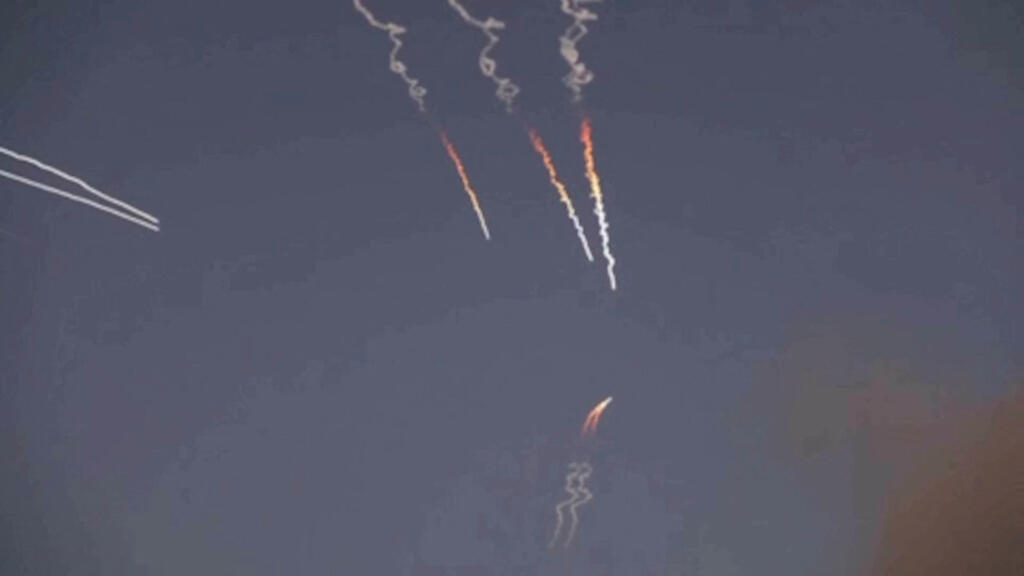
Jordan’s armed forces announced on Wednesday that they intercepted and shot down five missiles launched from Iran. The interceptions occurred as regional tensions remained elevated following reports of aerial threats across multiple countries, showing the volatile security environment. The Jordanian military did not provide further details regarding the specific targets or impact locations of the intercepted projectiles, maintaining a concise public statement. The announcement from Amman follows similar reports from other nations in the Middle East concerning aerial threats originating from Iran, illustrating a pattern of regional defensive actions. This incident marks an explicit involvement of Jordan in the broader regional security situation, directly addressing incoming aerial ordnance. The defensive action by Jordan's military notes the widespread nature of the recent aerial activities and the various countries responding to them. The successful interception by Jordan's forces demonstrated the readiness of regional militaries to counteract potential threats. Other nations in the vicinity have also reported heightened vigilance and defensive postures in response to the increased aerial activity originating from Iran. The coordinated nature of these responses suggests a shared concern among regional actors regarding the escalation of hostilities.
US Response and Damage Assessment
The United States launched strikes against nearly 20 targets within Iran, according to official reports, demonstrating a significant military response. These strikes were part of a broader operation aimed at degrading Iranian capabilities. On Qeshem Island, a telecommunications tower and two water storage tanks sustained damage during the operations, indicating specific impacts on civilian infrastructure. The damage assessment provided concrete evidence of the effects of the US military actions. The military action followed a Central Command (CENTCOM) announcement that US forces were responding to the downing of a US Army Apache helicopter. This specific incident served as a direct catalyst for the retaliatory strikes, framing the US actions as a response to an attack on its assets. US military aircraft targeted Iranian air defense infrastructure, radar installations, and command-and-control facilities in the vicinity of the Strait of Hormuz. These targets were strategically chosen to weaken Iran's ability to project power and defend its airspace. CENTCOM further stated that US Air Force and Navy fighter jets employed precision munitions to strike Iranian air defense systems, ground control stations, and surveillance radar sites near the Strait of Hormuz. The use of precision munitions showed an effort to minimize collateral damage while effectively neutralizing targets. A US official indicated that there were no known reports of injuries to US personnel or damage to US facilities as a result of the exchanges, suggesting that US forces largely avoided casualties and significant material losses during the recent confrontations. This assessment provided a preliminary indication of the operational success of US defensive and offensive measures.