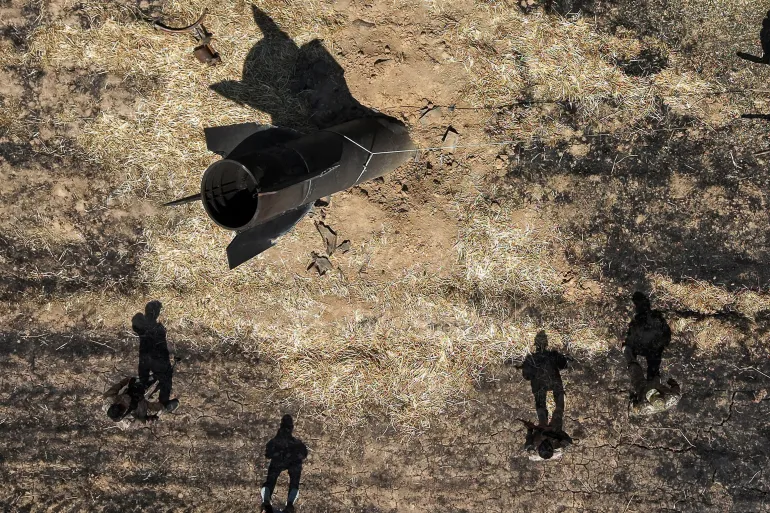
The United States launched airstrikes against Iran early Wednesday, according to official reports, marking a significant escalation in regional tensions. This decisive action by the U.S. Military follows a period of heightened regional volatility, which included an exchange of hostilities earlier in the week. Specifically, on Monday, Iran and Israel targeted each other in separate incidents, showing the delicate security situation in the Middle East. Compounding these events, an airstrike on a village located east of Tyre in Lebanon resulted in the tragic deaths of at least six people, further illustrating the widespread impact of ongoing conflicts. These developments have deepened concerns about the potential for broader regional instability and have drawn international attention to the escalating situation.
US Strikes Target Iranian Defenses
Following the initial U.S. Airstrikes, Tehran launched retaliatory actions against countries in the region, signaling a rapid and forceful response. In return, U.S. Fighter jets specifically targeted key military infrastructure within Iran. These precision strikes focused on "air defense, ground control stations, and surveillance radar sites." The objective of the U.S. Military operation was to degrade Iran's defensive capabilities, aiming to reduce its capacity for future military actions and to send a clear message regarding the consequences of its regional activities. The selection of these specific targets suggests a strategic effort to impact Iran's ability to monitor and defend its airspace, as well as to control its military assets.
Iran's state media subsequently confirmed that strikes had occurred in areas around Bandar Abbas and Qeshm Island. These locations are particularly significant due to their strategic importance, given their proximity to the Strait of Hormuz, a key global shipping lane for oil. The acknowledgment from Iranian sources provides further detail on the geographical scope of the U.S. Military engagement and confirms the impact of the strikes on vital Iranian infrastructure. The targeting of these areas, which are central to Iran's naval and air defense operations, notes the strategic nature of the U.S. Response and its potential implications for maritime security in the Persian Gulf.
Iran Responds Across Region
Following the U.S. Airstrikes, Iran initiated a series of retaliatory actions against countries in the region that host American military personnel. Bahrain, Kuwait, and Jordan, all nations with a significant U.S. Military presence, reported coming under Iranian fire. These incidents show the widespread nature of Iran's response and its willingness to engage with countries perceived as supporting U.S. Operations. Iran's state media subsequently claimed responsibility for attacks targeting Kuwait, Bahrain, and Jordan, explicitly linking these actions to the earlier U.S. Strikes. This public acknowledgment from Iran served to confirm its direct involvement in the regional flare-up.
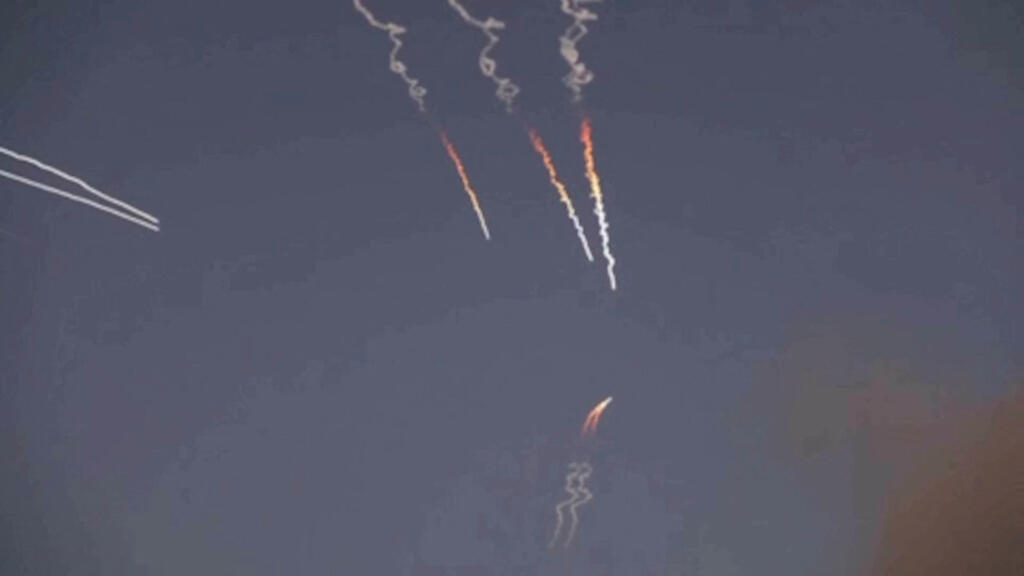
Jordan's military confirmed its active defense measures, stating it successfully intercepted and shot down five incoming missiles. This interception notes the readiness of regional defense systems and the direct threat posed by the Iranian retaliatory strikes. The fact that multiple nations hosting U.S. Troops were targeted signals a broader escalation in the region, indicating that the conflict's scope is not confined to direct U.S.-Iran confrontations but extends to their respective allies and partners. These regional responses occurred as the Iranian-allied Hezbollah militant group, based in Lebanon, remained a significant and active force in the area, further contributing to the complex security landscape. The involvement of these various actors suggests a deepening and widening of the conflict, with potential ramifications for the entire Middle East.
Escalation and Market Jitters
The latest exchange of hostilities marks the second instance this week that back-and-forth strikes have tested the ceasefire, indicating a fragile and increasingly volatile security environment. The repeated breaches of the ceasefire show the persistent challenges in maintaining stability in the region. Amidst the heightened tensions, reports emerged of maritime incidents that further illustrate the expanding geographic scope of the conflict. Guards aboard a cargo ship off the coast of Yemen in the Gulf of Aden reportedly exchanged fire with gunmen in a small boat, successfully repelling their attack. This incident notes the growing risks to commercial shipping in critical waterways.
Separately, the UKMTO (United Kingdom Maritime Trade Operations) later reported a fire in the engine room of a tanker operating in the Gulf of Oman, near the key Strait of Hormuz. This incident further emphasized the dangers faced by maritime commerce in vital shipping lanes. One individual was confirmed injured in the incident, with two others aboard the vessel reported missing, raising serious concerns about crew safety and the security of global trade routes. These events collectively paint a picture of an increasingly perilous environment for shipping and show the broad consequences of the regional tensions.
These developments have coincided with significant shifts in global energy markets, reflecting the deep anxieties among investors about potential disruptions to oil supplies from the Middle East. Brent crude oil prices rose to more than $91 a barrel on Wednesday, reacting sharply to the news of escalating hostilities. This price point represents a substantial increase of more than 25% since the start of the conflict, demonstrating the market's sensitivity to geopolitical instability in the oil-rich region. The continuous rise in oil prices shows investor concerns over potential disruptions to oil supplies from the Middle East, a region vital for global energy security. The incidents highlight the expanding geographic scope of the conflict and the increasing risks to maritime commerce in vital shipping lanes, leading to fears of broader economic consequences. The uncertainty surrounding the conflict's trajectory continues to exert upward pressure on global commodity markets, particularly crude oil.