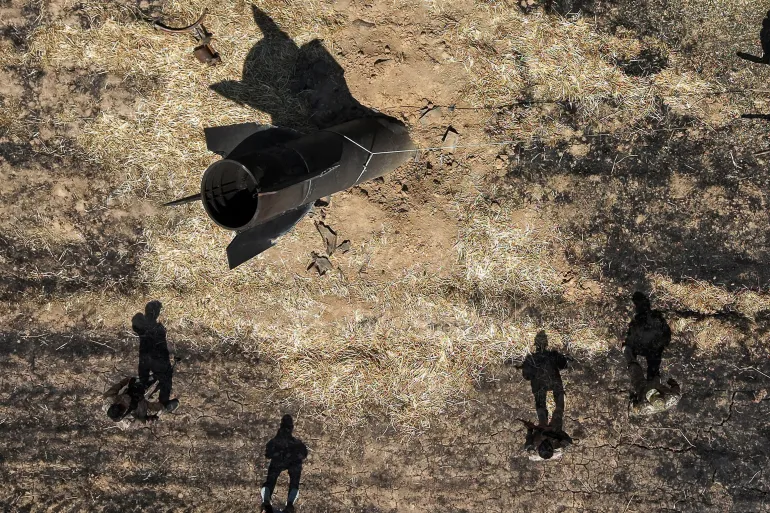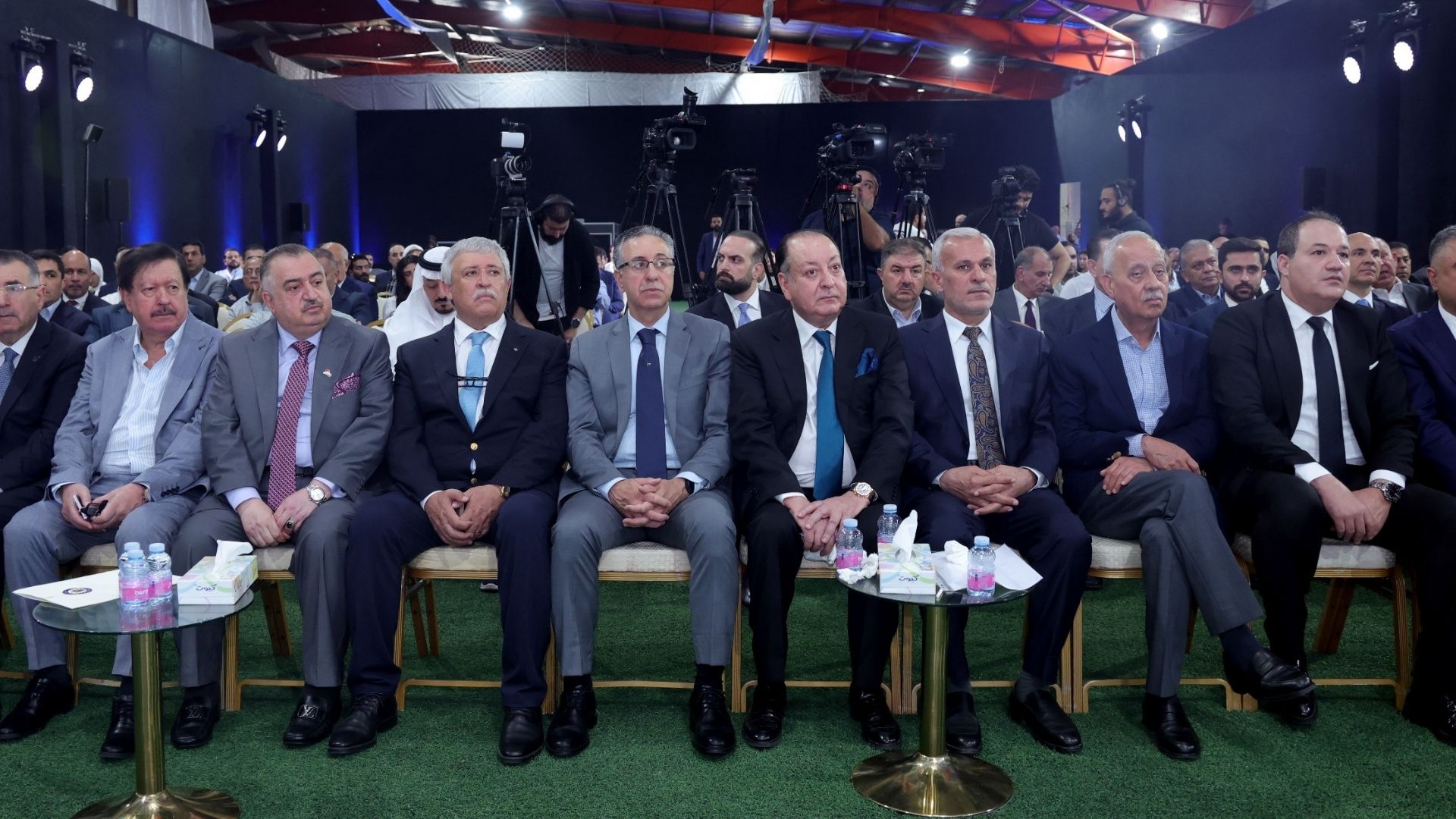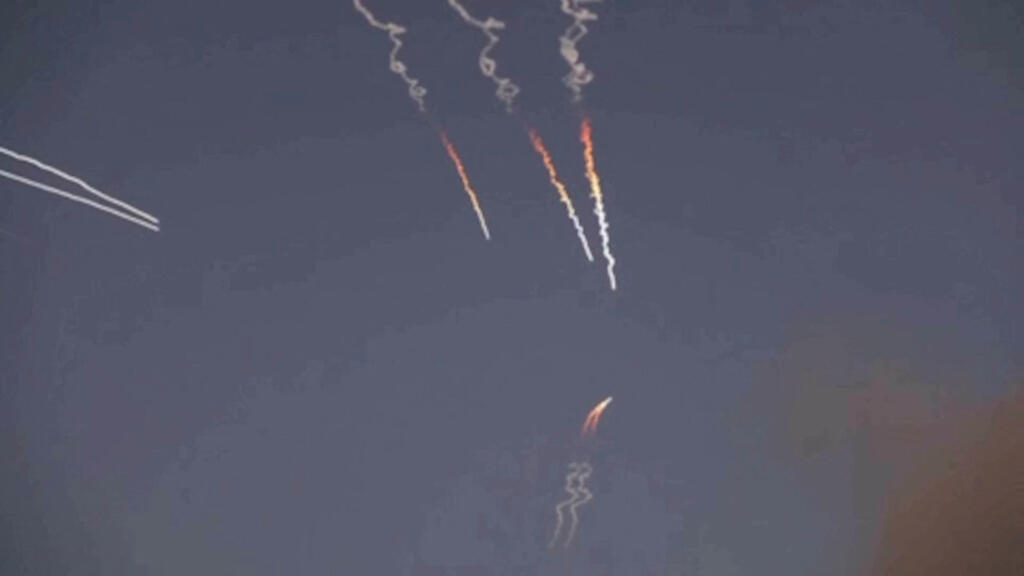
Iran's Revolutionary Guards claimed to have struck four targets at a US base in Jordan and one in Bahrain, according to statements from the Iranian force. These claims were made as regional tensions continue to escalate, drawing international attention and concern. The Revolutionary Guards specified that four sites at the US al-Azraq base in Jordan were targeted using long-range missiles. This assertion details a significant military action, indicating a direct confrontation with US assets in the region. However, Jordanian armed forces reported on Wednesday that they intercepted and shot down five missiles launched from Iran towards the al-Azraq area in Jordan. Debris from the interception operation fell on Jordanian territory, but officials confirmed that it caused no injuries or material damage. This swift response from Jordanian forces notes the heightened state of readiness in the region.
US Strikes Prompt Iranian Retaliation
Iran's Revolutionary Guards stated that their missile strikes were a direct response to recent US military actions, which they claimed involved the downing of an Iranian helicopter. This assertion frames the Iranian strikes as retaliatory measures, escalating the cycle of military engagements. These US strikes reportedly targeted the southern cities of Jask and Sirik, as well as Qeshm Island, located within the strategically vital Strait of Hormuz. The targeting of these specific locations shows the geographical breadth of the conflict and its impact on key maritime routes. The impact of these operations has been significant for local populations, leading to severe disruptions and humanitarian concerns.
Residents in the southern port town of Sirik, Iran, have experienced severe disruptions to essential services as a direct consequence of these military actions. Thousands of Iranians in the area lost access to drinking water after US strikes reportedly hit two reservoirs. This attack on critical infrastructure has created a dire situation for the local populace. Following the attack on these reservoirs, an estimated 20,000 residents in the region have been deprived of safe drinking water. This widespread loss of access to a fundamental resource poses a significant humanitarian challenge. This situation is particularly critical given the local climate; temperatures in the Sirik region typically range between 45 and 50 degrees Celsius, increasing the urgency of access to water. The extreme heat exacerbates the health risks associated with water scarcity, making the situation even more precarious for the affected communities.
Separately, a cargo vessel reported an incident of maritime insecurity off the coast of Yemen, indicating the broader instability affecting shipping lanes in the region. The vessel stated it was approached by a small craft carrying six armed individuals approximately 88 nautical miles southwest of Yemen's Balhaf on Wednesday. This incident notes the persistent threats to commercial shipping in the Gulf of Aden and surrounding waters, further complicating regional dynamics. Such occurrences contribute to a climate of fear and uncertainty for international maritime trade.
Regional Fallout and International Concern
A strike hit the center of the southern Lebanese city of Sidon on Wednesday, further extending the regional impact of ongoing tensions. This strike shows the widening geographical scope of the conflict, drawing in additional territories. Lebanon was drawn into the wider Middle East conflict on March 2 when the Tehran-backed Hezbollah militia fired rockets at Israel in solidarity with Iran. This act of solidarity demonstrates the intricate web of alliances and proxy conflicts that characterize the region. Turkish President Tayyip Erdogan stated that Israel's attacks on Syria and Lebanon have reached a point where they also threaten Turkey. This warning from a key regional power signifies the potential for further expansion of the conflict beyond its current boundaries, raising serious concerns about regional stability.
Off the coast of Oman near the Strait of Hormuz, a tanker's engine room caught fire on Wednesday, according to a UK maritime agency. This incident occurred in a critical maritime choke point, adding to fears of disruptions to global energy supplies. The agency reported two individuals missing and one casualty following the incident, noting the human cost of these escalating tensions. The Palau-flagged tanker Settebello had transmitted a distress call, stating that its engine room had been struck by a missile while operating off Sohar in the Gulf of Oman. This specific detail suggests a deliberate attack, further intensifying the maritime security crisis in the region. The Strait of Hormuz is a vital conduit for a significant portion of the world's oil supply, making any incident there a matter of international concern.
Kuwait's ministry of defense announced that it intercepted "hostile aerial targets" early on Wednesday, indicating potential regional airspace incursions. This interception by Kuwaiti forces demonstrates the heightened vigilance and defensive posture adopted by countries in the immediate vicinity of the conflict. The presence of such targets shows the widespread nature of the current hostilities, affecting the airspace of multiple nations. In response to the escalating situation, the UN human rights office will deploy a team of investigators to Lebanon next week. The team's objective is to assess potential violations of international law by all parties during the current war. This move by the United Nations signals serious international concern over the conduct of hostilities and the protection of civilians in the conflict zone. The deployment aims to ensure accountability and document any abuses that may have occurred.
Diplomatic and Political Reactions
Russia expressed "extreme concern" regarding the latest escalation of tensions in the Middle East, with Moscow calling for "restraint." This statement from a major global power reflects the widespread apprehension about the potential for a broader regional conflagration. Russia's call for restraint notes the urgent need for de-escalation from all parties involved. Iran's foreign ministry stated that the United States had damaged ongoing international diplomatic efforts to end the war following more US strikes on targets in southern Iran. This accusation from Tehran suggests a belief that US actions are undermining pathways to peace and stability in the region. The ministry "reiterated the legal and moral responsibility of all countries in the region (especially those located along the southern shores of the Persian Gulf) to prevent the US military and Israel from using their territory or facilities to plan, organise, execute, or support hostile actions against Iran." This strong diplomatic message from Iran aims to pressure its neighbors into restricting foreign military operations from their soil.
US President Donald Trump indicated he might order new strikes on Iran's power plants and bridges, according to Fox News, due to what he described as Tehran's prolonged negotiation process for a deal. This potential expansion of US military targets signals a hardening stance from Washington. Mr. Trump stated on Wednesday that Iran is taking "too long to negotiate a deal" and that "now they will have to pay the price." He elaborated, "They’ve taken too long to negotiate a deal that would have been great for them, now they will have to pay the price!!!" These remarks from the US President show his impatience with diplomatic processes and his readiness to employ military pressure. In a separate development, Benjamin Netanyahu's party announced on Wednesday that he will seek re-election this year. This political development in Israel occurs amidst the heightened regional tensions, potentially influencing future policy decisions.
Broader Implications and Warnings
Iran's foreign ministry warned that its neighbors in the Gulf bear a "legal and moral responsibility" to prevent American and Israeli strikes from originating within their borders. This warning notes Iran's concern over the potential use of neighboring territories as staging grounds for attacks against it. The ministry "reiterated the legal and moral responsibility of all countries in the region (especially those located along the southern shores of the Persian Gulf) to prevent the US military and Israel from using their territory or facilities to plan, organise, execute, or support hostile actions against Iran." This diplomatic pressure campaign aims to secure a commitment from regional states to neutrality in the ongoing conflict. Meanwhile, China called on all countries involved to cease actions that exacerbate the conflict. Beijing urged parties to "stop escalating" the situation following renewed strikes and counter-strikes by both sides. China's intervention reflects the global concern over the unchecked escalation of hostilities in the Middle East, emphasizing the need for all parties to exercise restraint and pursue diplomatic solutions. The international community watches closely as the situation continues to unfold, with calls for de-escalation becoming increasingly urgent.