Published On 10 Jun 2026
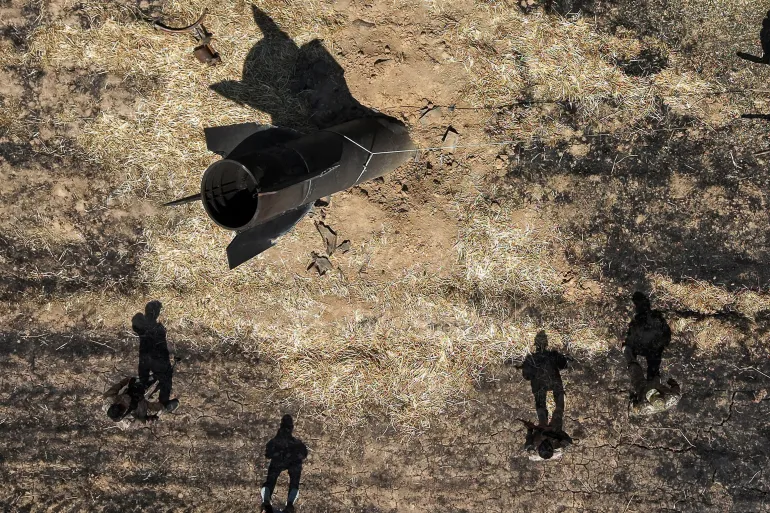
Jordanian air defenses intercepted Iranian missiles over its airspace on June 10, 2026. The interceptions occurred as the missiles traversed Jordanian skies, prompting a swift response from the kingdom's military. Jordanian authorities have not yet specified the exact number of missiles intercepted or their intended targets, though initial reports indicate a specific military installation was the likely objective. The incident marks a significant development in regional tensions, noting the volatile security landscape in the Middle East. The engagement of these projectiles by Jordan's air defense systems demonstrates the country's commitment to protecting its sovereignty and airspace from external threats.
Aerial Defense Over Zarqa
Jordan’s armed forces reported that air defenses intercepted five missiles launched from Iran. These missiles were reportedly aimed at Azraq Air Base, a key military installation in the kingdom. The successful interception of these projectiles prevented potential damage or casualties at the base. Separately, video footage circulating shows interceptors lighting up the night sky above the Jordanian city of Zarqa. This visual evidence from Zarqa corroborates reports of significant aerial defense activity in the kingdom, providing a public glimpse into the defensive operations. The vibrant streaks of light across the night sky showed the intensity of the defensive measures taken. The interceptions highlight the operational readiness of Jordanian air defense systems in responding to incoming threats, demonstrating their capability to detect, track, and neutralize airborne dangers. The incident shows the heightened state of alert across the region, as countries remain vigilant against potential escalations. The precise and effective response by Jordan's air defense forces showcased their preparedness for such contingencies.
Context of the Incident
No casualties were reported following the interception of Iranian missiles over Jordanian airspace. The lack of reported injuries or fatalities indicates that the defensive measures were successful in neutralizing the threat posed by the projectiles, ensuring the safety of both military personnel and civilians. This incident occurred as Jordanian air defenses engaged Iranian missiles traversing its skies on June 10, 2026, a date that will likely be remembered for this significant defensive action. The Jordanian armed forces confirmed the interception of five missiles, which they stated were launched from Iran and reportedly targeting Azraq Air Base. This declaration by the armed forces provided key details regarding the origin and intended destination of the incoming threats. Visual evidence from Zarqa, including video footage showing interceptors in the night sky, further corroborated the aerial defense activity, offering a powerful visual testament to the events. Despite the significant military action, no civilian or military personnel were harmed, according to official reports, showing the effectiveness of the defensive operation. The outcome suggests effective coordination and operational readiness of the kingdom's air defense systems in responding to the incoming threat, preventing a potentially serious incident.
Official Statements and Impact
Jordan has not yet issued a specific official statement detailing the overall impact of the missile interceptions beyond confirming the engagement. The kingdom's military confirmed the interception of Iranian missiles over its airspace on June 10, 2026, targeting its territory, a clear assertion of its defensive posture. Authorities have indicated that the intercepted projectiles were launched from Iran, directly attributing the source of the threat. The incident prompted a heightened state of alert across Jordan, particularly around strategic installations such as Azraq Air Base, to ensure continued security. While no casualties were reported, the event shows the critical role of the kingdom's air defense capabilities in safeguarding its sovereignty and protecting its population. The swift and successful interception demonstrated Jordan's capacity to defend itself against aerial incursions. The lack of further official comment leaves the broader implications for regional stability open to interpretation, though the incident undoubtedly adds to the ongoing geopolitical tensions in the Middle East.