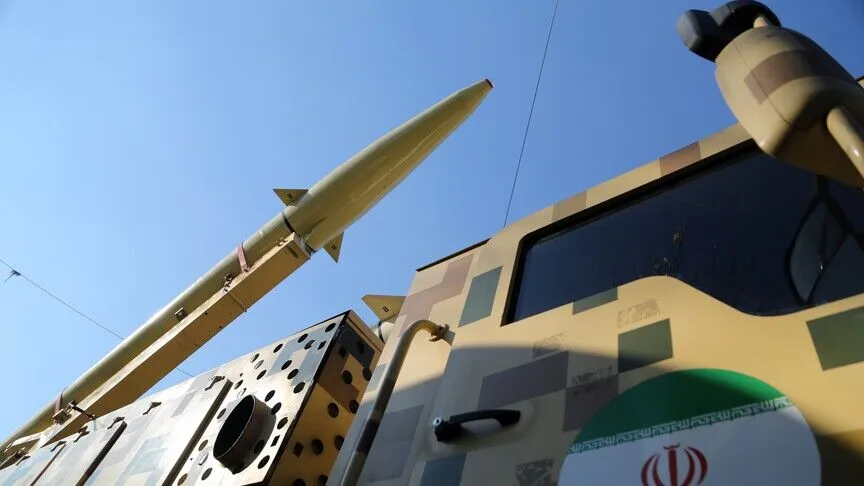
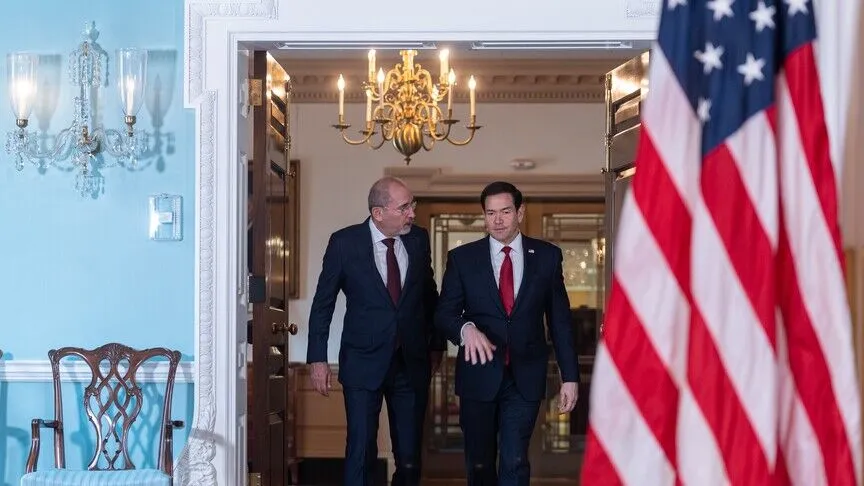
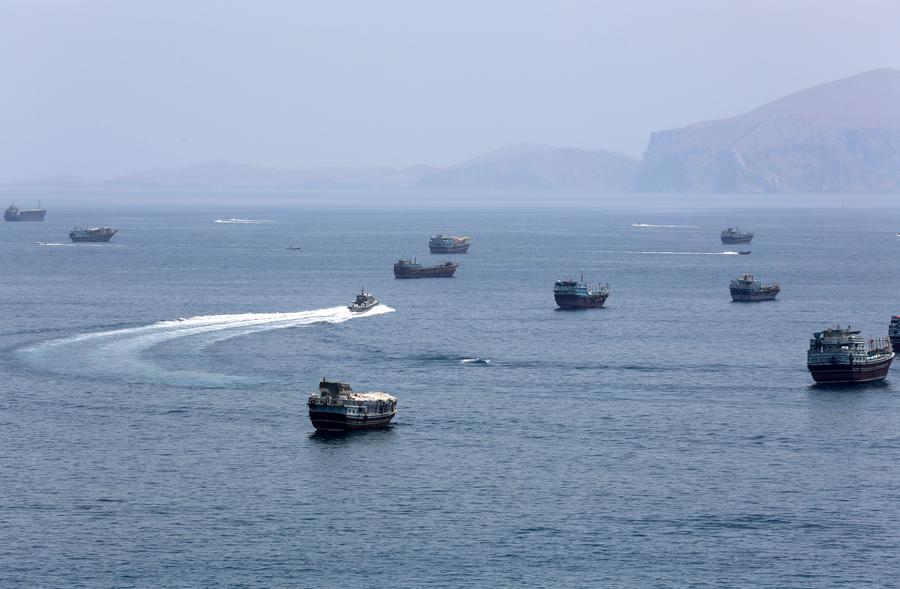
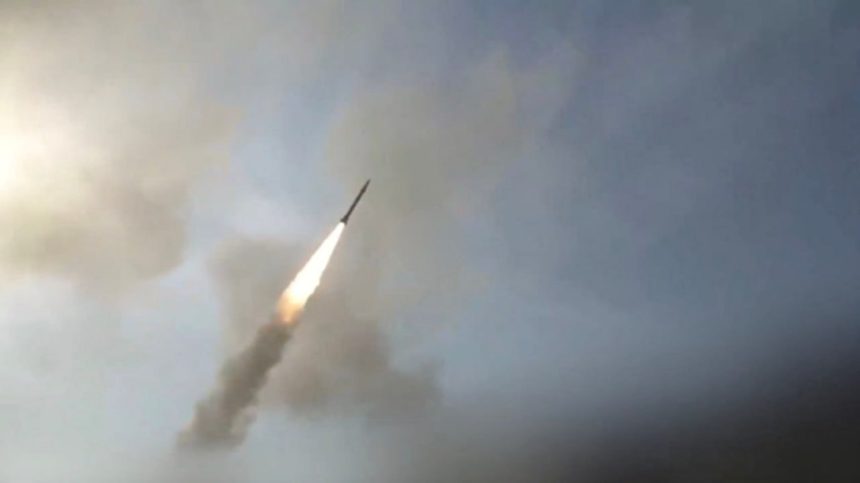
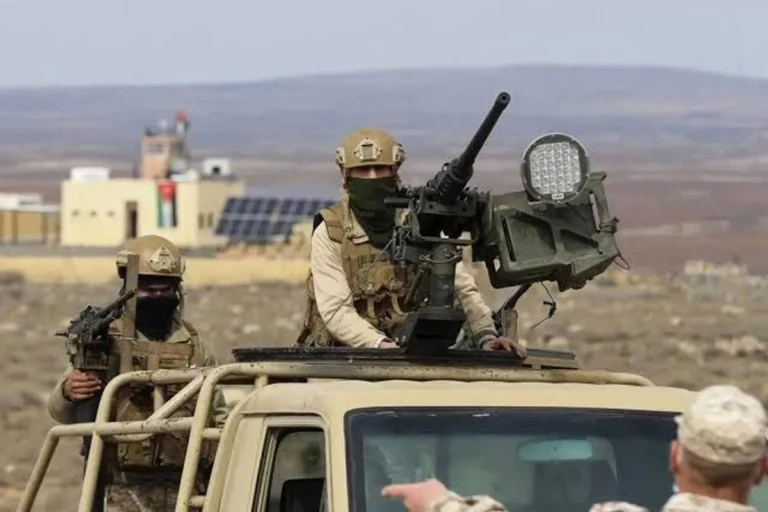
The United States reimposed a naval blockade on Iran and intensified its airstrike campaign on Wednesday, acting in retaliation for Tehran’s attacks on ships attempting to pass through the Strait of Hormuz. This significant military action escalated tensions in the Middle East, with U.S. Forces targeting sites across Iran. The decision to reimpose the blockade came after a period of relative calm, following an interim deal that had temporarily paused hostilities.
The U.S. Initiated a wave of strikes overnight, hitting dozens of targets across the country. These operations then continued into daylight hours, with forces resuming strikes against Iran. The intensified campaign marks a significant and forceful response to the maritime incidents in the critical shipping lane, which is vital for global energy supplies. The strategic importance of the Strait of Hormuz shows the gravity of the current escalation, as any disruption to shipping traffic there has broad economic implications. The U.S. Military operations are aimed at deterring further Iranian aggression and ensuring the free flow of international commerce through the waterway.
US Strikes Target Iranian Military Sites
American strikes hit an Iranian army barracks, killing at least seven troops and wounding more than 300 people across the country, Iranian officials said. These casualties highlight the destructive power of the U.S. Air campaign. Among the U.S. Military’s targets was Greater Tunb Island, which Central Command stated was attacked for Iranian defense and missile sites. The strategic location of Greater Tunb Island, situated near the Strait of Hormuz, makes it a critical point for controlling maritime traffic. The targeting of such sites indicates a deliberate effort by U.S. Forces to degrade Iran's capacity to threaten shipping in the region.
Another strike specifically targeted a barracks for Iran’s 388th Mechanized Infantry Brigade, located in Sistan and Baluchestan province. The Americans fired at least 13 missiles in the attack on this barracks, demonstrating the intensity and precision of the U.S. Assault. The seven fatalities from this particular strike included both conscripts and career soldiers, reflecting the broad impact on Iran's military personnel. The choice of targets suggests an effort to diminish Iran's ground forces and their operational capabilities.
Hossein Kermanpour, a spokesperson for the Iranian Health Ministry, reported that more than 35 people have been killed by U.S. Airstrikes in recent days. According to Kermanpour, at least 72 individuals are currently hospitalized following the attacks, indicating the severe and widespread nature of the injuries sustained. These figures show the human cost of the escalating conflict. In addition to the airstrikes, U.S. Forces have also engaged in maritime operations. Within 17 hours of reimposing the blockade on Iranian ports, U.S. Forces had "redirected" two commercial vessels that were attempting to run the blockade. This swift action demonstrated the U.S. Commitment to enforcing the naval blockade and preventing any unauthorized passage through the designated areas. The redirection of commercial vessels sends a clear message about the operational capabilities and resolve of the U.S. Navy in the region.
Iran's Retaliation and Regional Impact
Iran’s paramilitary Revolutionary Guard threatened Wednesday to halt all energy exports from the Middle East in response to the naval blockade. The Guard asserted, "The export of oil and gas from the region will be either for everyone or for no one." This stark statement indicated a significant escalation of Tehran's reactions to the U.S. Military actions, posing a direct threat to global energy markets. Such a move would have severe repercussions for the world economy, given the Middle East's role as a primary source of oil and gas. The Revolutionary Guard's declaration shows the potential for the conflict to expand beyond direct military engagements and impact international trade.
Early Wednesday, missile alert warnings were activated in Bahrain and Kuwait, signaling incoming Iranian fire. These warnings showed a broadening of the conflict beyond direct U.S. And Iranian engagements, drawing in neighboring states. The activation of missile alerts created widespread alarm and noted the immediate danger faced by these nations. Jordan also reported that its defense forces successfully intercepted and shot down three incoming Iranian missiles, preventing them from reaching their intended targets. This successful interception by Jordanian forces demonstrated their readiness and capability to defend against aerial threats, preventing potential damage and casualties within their borders.
Iran subsequently claimed responsibility for attacks targeting Bahrain, Kuwait, and Jordan. All three nations are known to host U.S. Forces, making them potential targets in the ongoing confrontation. This admission by Iran solidifies the perception that these attacks were a direct response to the U.S. Actions and a deliberate attempt to project power and retaliate against countries perceived as supporting U.S. Interests. U.S. Navy Adm. Brad Cooper stated that Iran had launched dozens of missiles and drones at neighboring Gulf Arab countries. This assessment from Admiral Cooper noted the scale of Iran's retaliatory actions across the region following the re-imposition of the naval blockade and intensified U.S. Strikes. The use of both missiles and drones suggests a coordinated and multi-pronged approach by Iran to demonstrate its military capabilities and exert pressure on the regional geopolitical landscape. The attacks on multiple fronts indicate a willingness by Tehran to escalate the conflict and challenge the security architecture of the Gulf region.
Background and Previous Dealings
The United States initially imposed a naval blockade in April, subsequently lifting it last month after an interim deal was signed. That agreement paused the fighting and established a 60-day period for negotiations, which were intended to address issues such as Iran’s nuclear program. The interim deal had offered a glimmer of hope for de-escalation and a diplomatic resolution to the long-standing tensions between the two nations. However, the recent attacks by Tehran on ships attempting to pass through the Strait of Hormuz led to the breakdown of this fragile truce and the reimposition of the blockade. The failure of negotiations to resolve core issues, particularly Iran's nuclear ambitions, contributed to the renewed military confrontation.
When the U.S. And Israel launched the war on Iran on February 28, Tehran responded by effectively closing the waterway to shipping traffic. This action by Iran was a direct consequence of the military offensive initiated by the U.S. And Israel, significantly impacting maritime operations in the critical region. The closure of the waterway demonstrated Iran's ability to disrupt global trade in retaliation for military aggression, setting a precedent for its current response to the naval blockade. The history of these actions notes a pattern of tit-for-tat escalation, where military moves by one side are met with counter-measures that often involve the Strait of Hormuz. The current situation is a continuation of this cycle, with each side asserting its military and strategic interests in a volatile region.
Warnings and Economic Ramifications
The price for Brent crude oil traded above $85 a barrel on Wednesday, marking an increase of more than 15% compared to its price before the conflict began. This significant jump in oil prices reflects the market's anxiety over potential disruptions to global oil supplies from the Middle East. The Strait of Hormuz is a critical chokepoint for oil shipments, and any threat to its stability immediately impacts energy markets worldwide. The ongoing military actions and Iran's threats to halt energy exports have fueled fears of a full-blown energy crisis, pushing prices upwards.
Donald Trump told the Fox News Channel on Tuesday night that additional U.S. Strikes against Iran were anticipated over the next two days. Trump stated that bridges and power plants could be targeted by next week if negotiations do not resume. These comments from the former president, who remains an influential voice, show the potential for further military escalation and the widening of targets beyond military installations. Such threats add to the uncertainty and pressure on Iran to consider resuming diplomatic talks. Analysts with the International Monetary Fund issued a warning regarding global oil supplies. Azim Sadikov and Jean-Marc Natal noted in a blog post for the International Monetary Fund that while a surplus of oil had previously helped keep prices low, "much of that room has now been used up." This assessment noted concerns about the dwindling capacity to absorb further supply shocks, making the current conflict particularly perilous for the global economy. The IMF's warning suggests that the world is less prepared to handle significant disruptions to oil supplies than it might have been in the past, amplifying the potential economic fallout from the escalating tensions in the Middle East. The combination of military action, Iranian threats, and diminishing global oil reserves creates a precarious situation for international markets.