U.S. President Donald Trump denied that Iranian missiles damaged U.S. Military aircraft at a base in Jordan, contradicting reports from Iran and U.S. Media outlets. Trump stated, when asked about missile damage, "Nope." The denial came after Iran's Islamic Revolutionary Guard Corps (IRGC) claimed it launched attacks on eight tankers and two warships, including the base in Jordan. The IRGC's statement specifically referenced the Muwaffaq Salti Air Base as a target in its alleged retaliatory strikes. President Trump further asserted there was "None whatsoever. No damage. No nothing," regarding any impact to U.S. Assets, directly challenging the claims of significant damage.
Details of Reported Damage
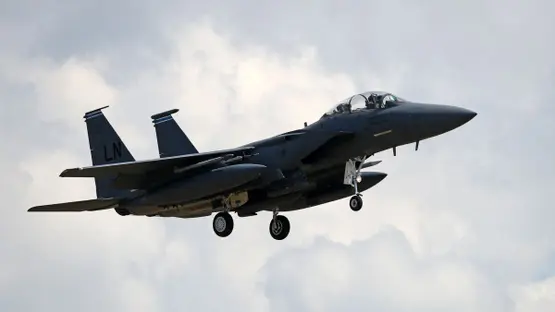
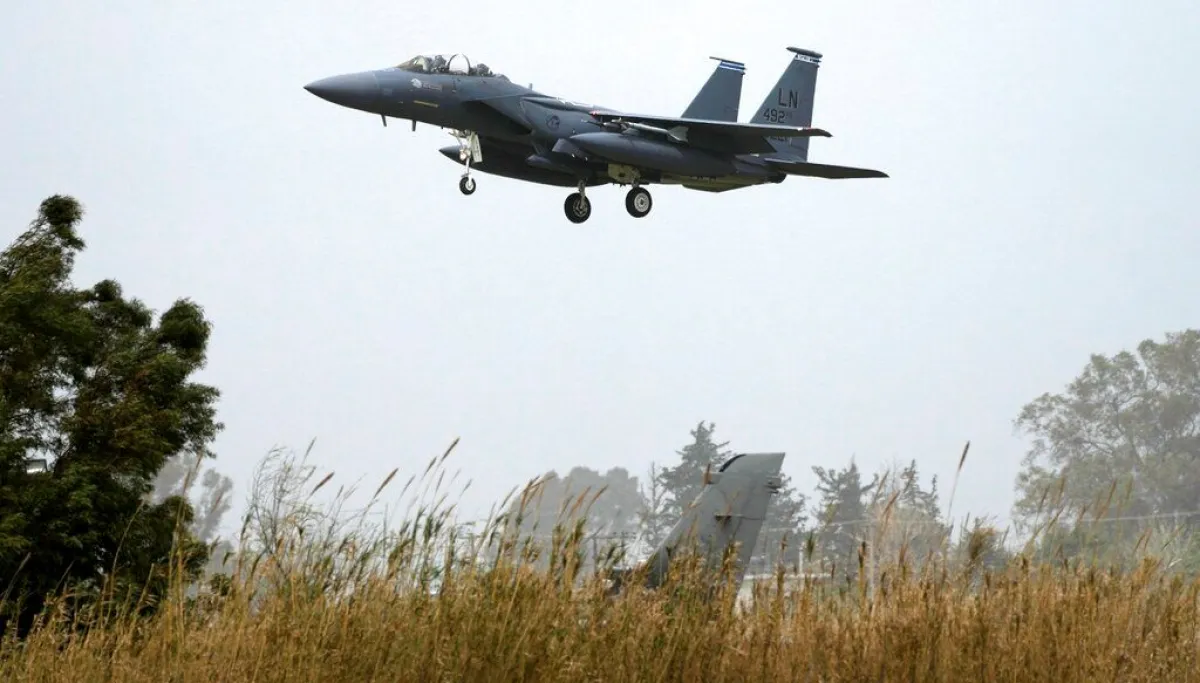
Despite President Trump's categorical denial, CBS News reported on September 10 that multiple American military aircraft sustained damage during Iranian strikes overnight Tuesday into Wednesday local time at Muwaffaq Salti Air Base in Jordan. This report offered specific details regarding the extent and nature of the damage. According to CBS News sources, one A-10 Thunderbolt attack aircraft was struck and subsequently lost a wing, rendering it inoperable. Additionally, approximately eight F-15 fighter jets sustained light damage from the strikes but were later returned to service after assessment and minor repairs, indicating a broader impact than acknowledged by the U.S. Administration.
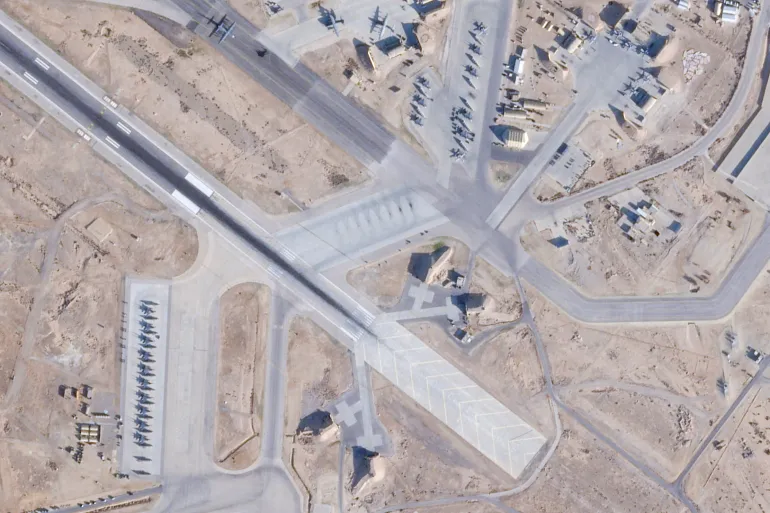
During the attacks, U.S. Forces in Jordan launched more than 30 Patriot missiles in defense against the incoming Iranian projectiles, noting the intensity of the engagement and the efforts made to intercept the threats. The use of such a significant number of defensive missiles shows the severity of the perceived threat to the base and its personnel. Further corroborating reports of damage, satellite images captured on September 10 by China's SuperView Neo-1 satellite revealed extensive damage to a new aircraft hangar area and its adjacent apron at Muwaffaq Salti Air Base. This specific section of the base had previously incurred damage in a mid-July Iranian ballistic missile attack and was undergoing repair work until late August, suggesting a pattern of repeated targeting and vulnerability. The images provided visual evidence that contrasted sharply with official U.S. Statements.
Context of Escalation
The reported Iranian strikes occurred after the U.S. Had previously targeted five Iranian tankers. This U.S. Action was carried out in retaliation for Iran having targeted a U.S. Navy warship, escalating an already tense situation in the region. The broader regional tensions have seen a series of exchanges between American forces and Iranian-backed entities, with each side responding to perceived provocations. The situation at Muwaffaq Salti Air Base, where American aircraft reportedly sustained damage from Iranian missiles, adds to this ongoing pattern of confrontation and mutual retaliation. These incidents reflect a volatile security environment, with both direct and indirect engagements contributing to instability.
Trump's Denial
No U.S. Deaths were reported in connection with the strikes at Muwaffaq Salti Air Base. This detail emerged amidst conflicting accounts regarding the extent of damage inflicted by Iranian missiles, with the absence of casualties being a key point in the U.S. Administration's narrative. The U.S. Has maintained that its assets sustained no harm, despite reports from credible news organizations and satellite imagery suggesting otherwise. The absence of casualties contrasts with the claims made by Iran's Islamic Revolutionary Guard Corps (IRGC) regarding their alleged attacks, which implicitly suggested successful targeting. The situation continues to be monitored as official statements from U.S. Leadership contradict media reports detailing damage to military aircraft and infrastructure at the Jordanian facility, leaving the full extent of the impact open to interpretation.