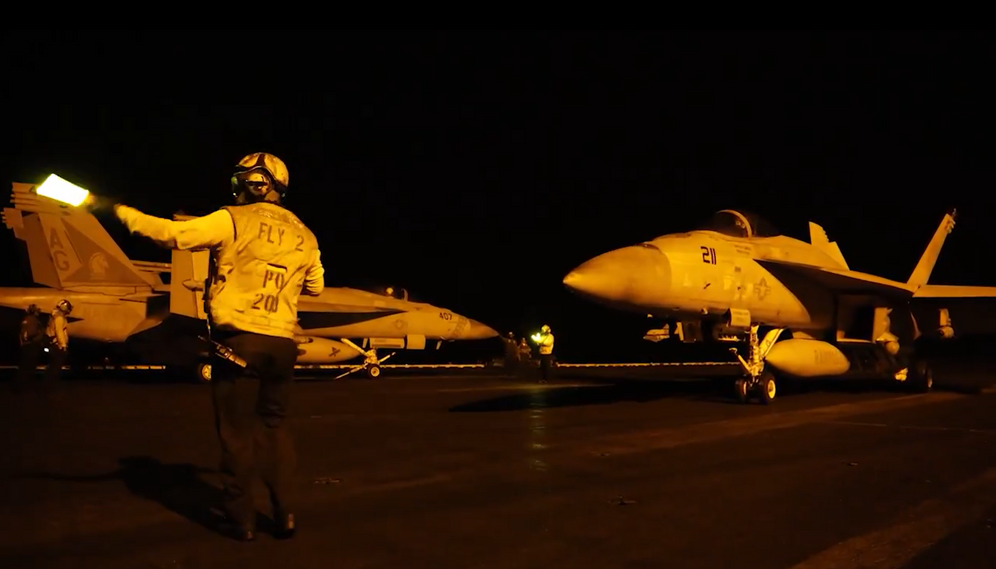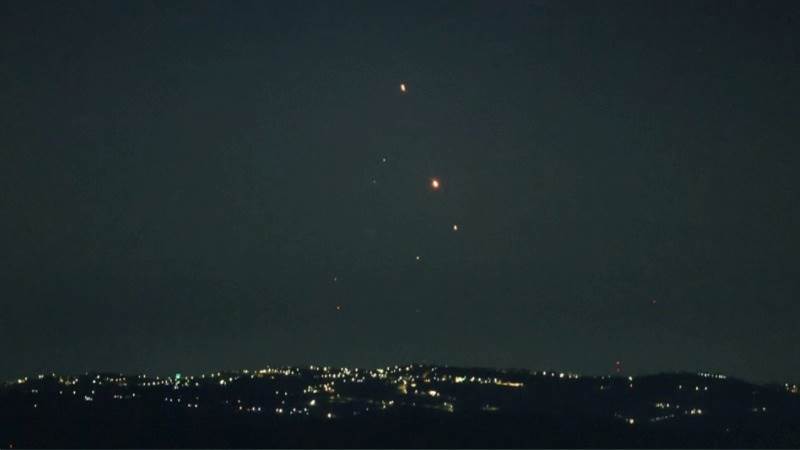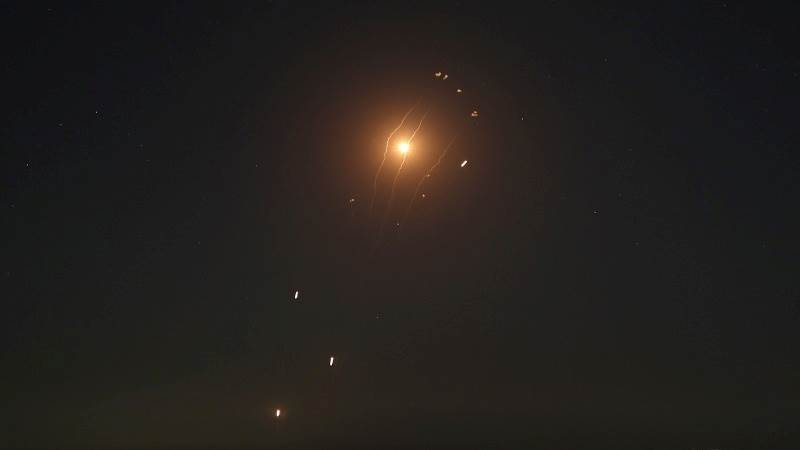
Multiple United States fighter jets were struck during an Iranian ballistic missile attack on Wednesday at the Muwaffaq Salti Air Base in Jordan. The Iranian strikes occurred after the U.S. Sank five Iranian tankers on Tuesday. This U.S. Action was in retaliation for Iran firing on a U.S. Navy warship. The incident at Muwaffaq Salti Air Base represents a significant escalation in the ongoing tensions between the two nations. As of now, no U.S. Casualties have been reported from the Iranian airstrike on the base, a detail confirmed by initial assessments of the damage. The ballistic missile attack targeted a critical U.S. Military installation in the region, drawing immediate attention to the security of American forces stationed abroad.
Aircraft Damage Assessed
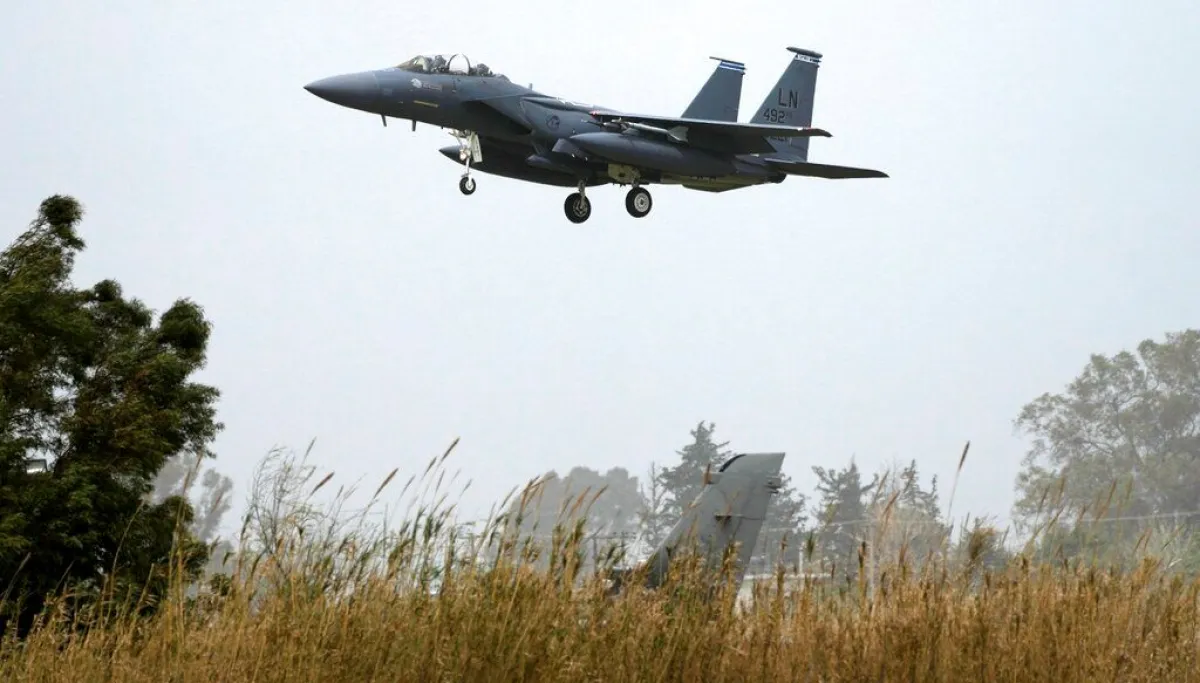
An estimated 20 missiles were fired on the Muwaffaq Salti Air Base. Eight F-15 fighter jets reportedly sustained light damage from the Iranian attack. An A-10 Thunderbolt II experienced the most significant damage from the strikes, reportedly losing a wing as a result of the attack. The precision and volume of the missile barrage show the sophisticated nature of the Iranian military's capabilities. Damage assessments are ongoing, but early reports indicate that while several aircraft were hit, the structural integrity of the base itself remained largely intact. The prompt response by base personnel helped mitigate further damage and ensure the safety of personnel.
The F-15 jets are highly regarded in the U.S. Air Force and are among the most feared fighter aircraft globally. These F-15s are an expensive unit to build, reportedly costing around $100 million per jet. Their deployment at Muwaffaq Salti Air Base notes their strategic importance in regional operations. The F-15 is known for its air superiority capabilities, making any damage to these assets a notable event. The A-10 Thunderbolt II, more commonly known as the “Warthog,” is a jet aircraft used to support ground forces in combat. Each A-10 Thunderbolt has a price tag of approximately $8-$10 million, according to reports. Its strong design and ability to withstand significant damage are key features, though the reported loss of a wing indicates a direct and forceful impact. CBS News reported that despite the damage, the F-15s were later returned to service, demonstrating the resilience and repair capabilities of the U.S. Air Force. The return to service of these high-value assets is a testament to the efficient maintenance and recovery operations following the attack.
Escalating Regional Tensions
The Iranian strikes are believed to be the first to have reportedly caused significant damage to U.S. Aircraft. This marks a concerning new phase in the direct military confrontations between the United States and Iran. Previously, interactions have largely involved proxy forces or indirect engagements, but this incident represents a more direct and overt act of aggression against U.S. Military assets. In addition to the missiles fired on Muwaffaq Salti Air Base, Iran claimed to have launched missiles at multiple tankers and warships, according to Air & Space Forces Magazine. These claims, if substantiated, indicate a broader pattern of Iranian military action targeting various assets in the region. The increase in airstrikes and military operations involving Iran and the United States, particularly near the Strait of Hormuz, has caused oil prices to soar this week. The Strait of Hormuz is a critical chokepoint for global oil shipments, and any instability there directly impacts energy markets worldwide. Reports on Wednesday revealed that the benchmark Brent crude futures contract has surpassed $100 a barrel for the first time since July, reflecting the market's anxiety over potential supply disruptions. This surge in oil prices shows the broad economic consequences of heightened tensions in the Middle East.
U.S. And Iranian Responses
In response to the Iranian attack on Muwaffaq Salti Air Base, United States military forces launched more than 30 Patriot missiles at Iranian targets in the area, according to CBS News. This swift and decisive counter-strike demonstrates the U.S. Commitment to protecting its forces and deterring further aggression. The Patriot missile system is a highly advanced surface-to-air missile system used for defending against ballistic missiles, cruise missiles, and advanced aircraft. The U.S. Response followed the ballistic missile strike on the Jordanian air base, which caused damage to several U.S. Fighter jets. The Iranian attack on Wednesday had reportedly damaged an A-10 Thunderbolt II aircraft, causing it to lose a wing, and eight F-15 fighter jets sustained light damage. CBS News reported that the F-15s were subsequently returned to service, noting the rapid assessment and repair capabilities of the U.S. Military.
The launch of the Patriot missiles represents a direct military action by the U.S. Against Iranian targets following the initial missile barrage. This exchange of strikes shows the escalating tensions between the two nations in the region. The incident at Muwaffaq Salti Air Base marked a significant development, as the Iranian strikes were believed to be the first to cause reported damage to U.S. Aircraft. These actions contribute to a heightened state of alert and military engagement, particularly in proximity to critical maritime routes such as the Strait of Hormuz. The tit-for-tat nature of these recent military engagements raises concerns about the potential for further escalation and broader conflict in an already volatile region. Both sides appear to be signaling their resolve, with each action prompting a response, creating a dangerous cycle of confrontation. The international community is closely monitoring the situation, urging de-escalation to prevent a wider regional conflict.