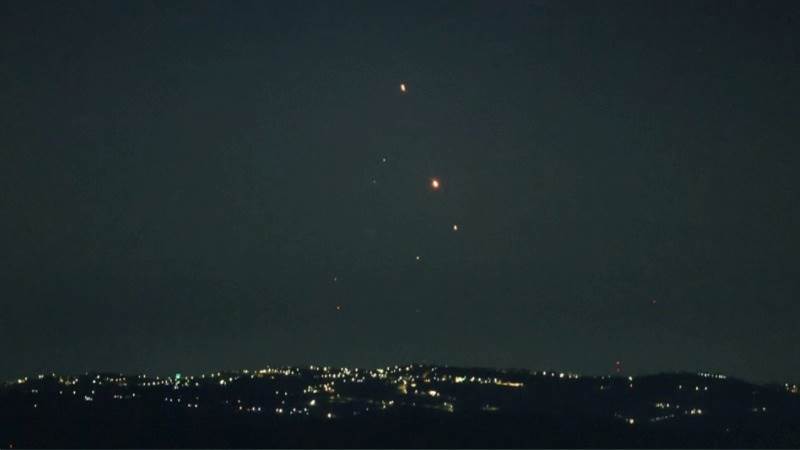
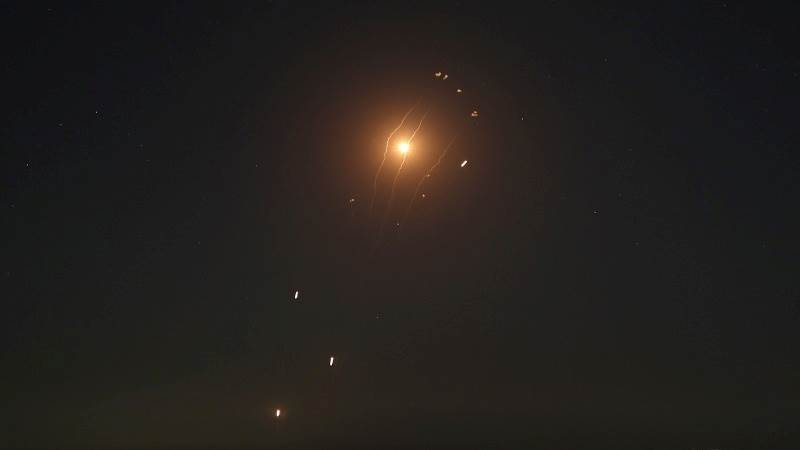
Several US military aircraft incurred damage in an overnight Iranian attack at an American air base in Jordan, CBS reported. This incident, which saw US military assets targeted, has heightened tensions in the region, marking a significant escalation in the ongoing regional standoff. Among the affected aircraft, one A-10 Thunderbolt, commonly known as the Warthog, was struck during the assault and subsequently left with a missing wing, indicating significant impact from the Iranian projectiles. Additionally, approximately eight F-15 fighter jets sustained light damage during the overnight confrontation, noting the breadth of the attack's impact on the coalition airpower stationed at the base. The damage to these US military aircraft in Jordan occurred after the United States had attacked five Iranian tankers, an action taken in retaliation for Iran targeting a US Navy warship, illustrating the tit-for-tat nature of the escalating conflict.
Iranian Claims and Retaliation Amid Regional Tensions
The Islamic Revolutionary Guard Corps stated it launched attacks targeting eight tankers and two warships, including the base in Jordan, as a retaliatory measure for previous US actions. This declaration by the Islamic Revolutionary Guard Corps provided a specific justification for their broad offensive. Iran's Revolutionary Guards announced they "struck the American Al-Azraq base in Jordan with heavy missile strikes" as part of what they termed a "punitive operation," according to IRNA. This declaration showed Tehran's intent behind the coordinated strikes, explicitly linking their actions to a strategy of retribution against American military presence and operations. Beyond the attack on the Jordanian base, Tehran also reported attacking more than a dozen vessels attempting to transit through the strategically vital Strait of Hormuz, a critical chokepoint for global oil supplies. This broader context for these Iranian actions included the US attack on five Iranian tankers, which itself was a response to Iran targeting a US Navy warship. This sequence of events illustrates an escalating pattern of confrontation between the two nations, with each side responding to perceived aggressions from the other. The targeting of both military installations and commercial shipping lanes signals a widening scope of Iranian retaliatory capabilities and intentions.
Broader Context and Strategic Stakes of Muwaffaq Salti Air Base
American forces in Jordan launched more than 30 Patriot missiles in defense against the Iranian strikes, according to Jennifer Jacobs, a prominent journalist reporting on the incident. This strong defensive response notes the intensity of the engagement and the advanced capabilities deployed to protect US assets. Jacobs also reported that the overnight damage occurred after the US attacked five Iranian tankers, which was in retaliation for Iran targeting a US Navy warship, reiterating the tit-for-tat nature of the conflict and the continuous cycle of aggression and response. In response to these preceding US actions, the Islamic Revolutionary Guard Corps claimed they launched attacks at eight tankers and two warships, including the base in Jordan, emphasizing the retaliatory aspect of their operations and detailing the specific targets they claimed to have engaged.
Jordan's air defense network actively intercepted and neutralized the incoming projectiles, demonstrating its operational readiness and the effectiveness of its defensive systems. The kingdom's defense systems detected a total of 20 incoming ballistic missiles aimed at its territory. Of these, 18 were successfully destroyed by the air defense systems, preventing widespread damage and protecting critical infrastructure and personnel. The remaining two impacted unpopulated terrain within Jordan, causing no reported casualties or significant structural damage, further showing the success of the defensive measures. The rapid and effective response by Jordanian forces played a key role in mitigating the potential impact of the Iranian assault.
The Muwaffaq Salti Air Base, where the damage occurred, serves as a significant airpower hub for operations against Iran. This base is not merely a staging ground but a critical component of regional military strategy, providing a forward operating location for a wide array of US military assets. Dozens of US warplanes operate from this base, showing its strategic importance in regional military activities and its role in projecting US airpower across the Middle East. Its location and capabilities make it a key asset for monitoring and responding to developments in the broader Middle East, particularly concerning Iranian activities. The presence of numerous advanced aircraft, including the F-15s that sustained damage, further notes the base's operational significance and its critical role in maintaining regional stability and security. The targeted nature of the Iranian strike on such a critical facility points to an intentional escalation of hostilities, aiming to disrupt US military operations and demonstrate Iran's reach.
Political Ramifications and Divergent Warnings
Iran's Islamic Revolutionary Guard Corps stated that the conflict could be concluded if Washington agreed to its conditions, which reportedly included demands related to the ongoing conflicts in Lebanon and Yemen. This declaration from Iran's Guards outlines specific political conditions under which they believe a de-escalation or cessation of hostilities could be achieved, linking the conflict directly to broader regional issues and indicating their desire for a full resolution that addresses their strategic interests. Meanwhile, US President Donald Trump offered a different assessment on Wednesday, asserting that the war would end swiftly after the US mid-term elections in November. Trump told journalists, "I think the war will end immediately after the election" because Iran "can't hold out any longer." He further accused Tehran of being "desperate to try and affect" the vote, suggesting a political motivation behind Iran's actions and portraying their military endeavors as an attempt to influence American domestic politics.
Contrary to Trump's public statements, US officials cited by The Wall Street Journal indicated that the President's senior advisers are privately cautioning that the conflict could persist through the remaining two years of his term. This divergence between the President's public optimism and the private concerns of his top advisers notes the complexity and potential longevity of the conflict, suggesting a more nuanced understanding within the administration. The warnings from senior advisers suggest a more protracted engagement, indicating that the underlying issues are deep-seated and not easily resolved by political timelines or electoral cycles. The differing perspectives from Washington and Tehran show the significant diplomatic and military challenges in de-escalating the current regional tensions, pointing to a prolonged period of instability and potential confrontation.