Iranian strikes damaged multiple American military aircraft this week at the Muwaffaq Salti Air Base in Jordan, marking a significant escalation in the ongoing conflict. The attacks, originating directly from Iran, specifically targeted United States military assets stationed at the strategic facility. This incident represents a direct confrontation involving Iranian forces and U.S. Military equipment in the volatile Middle East region. The damage inflicted shows the persistent threat posed by Iranian military actions against U.S. Interests, particularly given the base's critical role in regional operations.
Specific Aircraft Damage
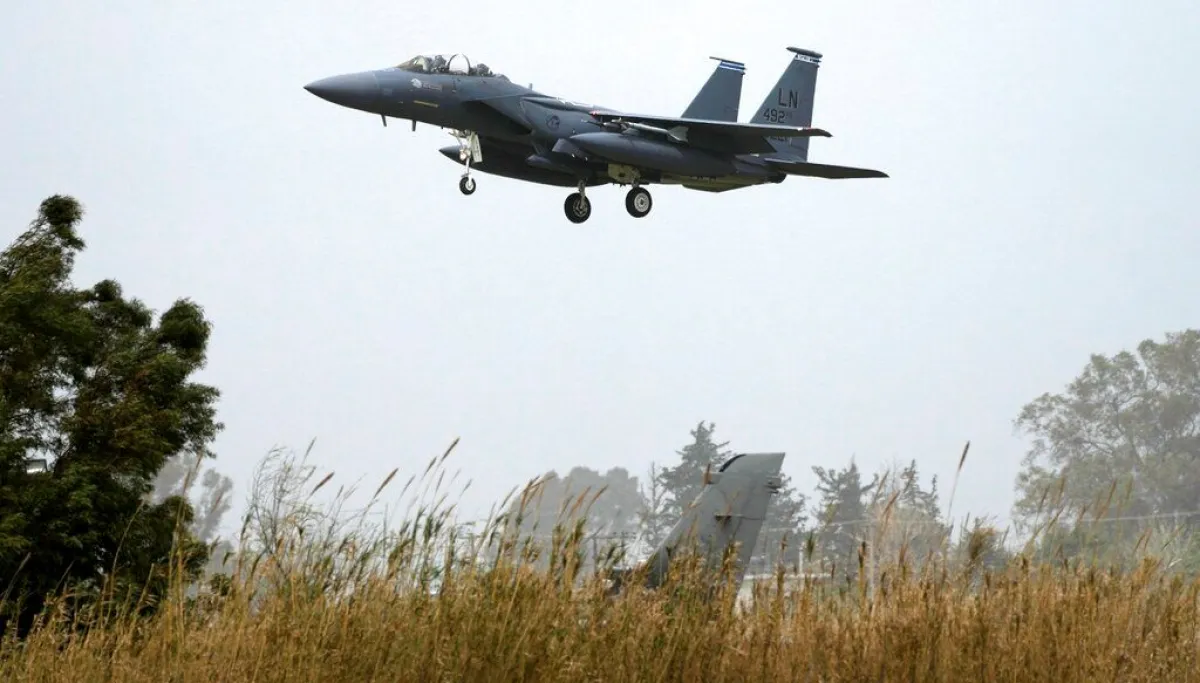
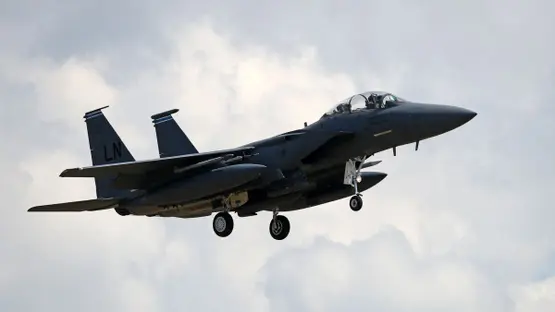
Iran’s recent attack on the base struck one A-10 Thunderbolt II aircraft, commonly known as the Warthog, resulting in extensive damage including a missing wing. This specific targeting notes the precision of the Iranian assault and the vulnerability of even strong airframes. Additionally, approximately eight F-15 fighter jets sustained light damage during the same strike. Fortunately, these F-15s were subsequently returned to service, mitigating a more severe impact on operational capabilities. The U.S. Military had already experienced significant material damage even before Iran’s recent strikes on Tuesday, indicating a pattern of sustained pressure. This prior damage included the destruction of more than two dozen drones, Iranian strikes impacting other fighter jets in separate incidents, and various aircraft losses due to accidents occurring throughout the conflict. These cumulative losses show the challenging operational environment faced by U.S. Forces, necessitating constant vigilance and defensive measures.
Escalation and Retaliation Dynamics
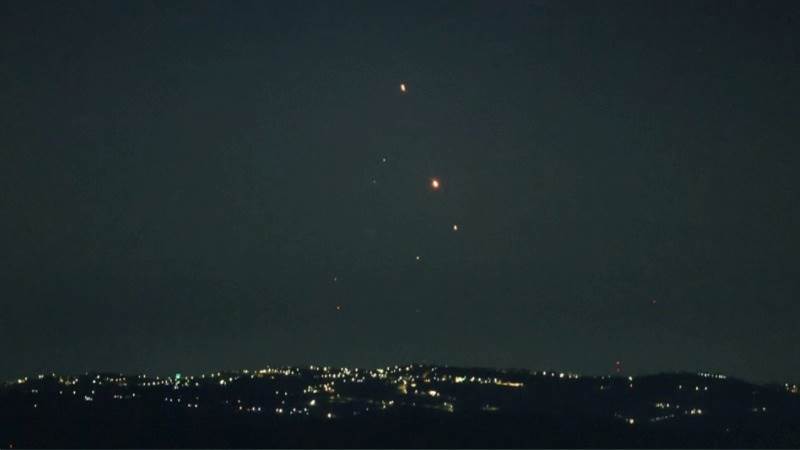
Iran's strike on the United States base in Jordan occurred following a prior announcement by U.S. Forces that they had destroyed five Iranian crude oil carriers. The U.S. Stated clearly that its actions, specifically the destruction of the oil carriers, were a direct response to Iran’s Islamic Revolutionary Guard Corps targeting a U.S. Navy warship with ballistic missiles twice over the preceding two days. This sequence of events illustrates a dangerous tit-for-tat dynamic between the two adversaries, escalating tensions across the region. During the Iranian attack on the Jordanian base itself, U.S. Forces were compelled to fire approximately 30 Patriot interceptors to counter the incoming missiles, demonstrating the intensity and scale of the aerial threat. The significant expenditure of interceptors notes the defensive measures required to protect personnel and assets, emphasizing the high-stakes nature of these engagements.
Broader Conflict Impact and Material Losses
The recent incidents contribute to a growing toll on U.S. Military resources. A May report from the Congressional Research Service indicated that a total of 42 U.S. Military aircraft had already been lost or damaged in the ongoing conflict, even before these latest strikes. This figure notes the substantial material impact of the hostilities prior to the recent attack on Muwaffaq Salti Air Base. Since the Iran war began in February, the human cost has also been substantial, with 18 U.S. Service members killed and over 800 sustaining injuries. These casualties show the perilous conditions faced by U.S. Personnel deployed in the region. The conflict has also placed a considerable strain on critical defensive assets. The Center for Strategic and International Studies estimated that about 65 percent of U.S. Patriot interceptors were expended between February and July, reflecting the high rate of engagement. This expenditure significantly reduced the number of U.S. Patriot interceptors left on hand to fewer than 850, a substantial decrease from the 2,330 available before the conflict with Iran commenced. These figures show the material and human costs of the protracted hostilities, raising concerns about long-term readiness and resource allocation.