A United States military installation based in Bahrain has sustained severe damage during recent months of fighting with Iran, according to the acting secretary of the US Navy. This confirmation from the acting secretary shows the severity of the situation. The damage to the base represents a significant impact on US naval operations in the region, prompting a re-evaluation of strategic deployments and infrastructure. The extensive damage has raised concerns within military command about the long-term viability and security of key US assets in the Middle East.
Until its heavy damage, the NSA Bahrain base served as the main logistics hub for the US Navy in the Middle East. This key role involved managing the flow of supplies, equipment, and personnel for naval forces operating throughout the region. It was also home to the US Fifth Fleet and the US Naval Forces Central Command (NAVCENT), playing a key role in supporting naval operations and maintaining security in the Gulf region. The presence of these vital commands at NSA Bahrain showed its strategic importance for projecting US naval power and ensuring maritime stability in a critical global waterway. The base's operational capacity was integral to numerous missions, from counter-piracy efforts to regional security exercises.
Bahrain Base Devastated
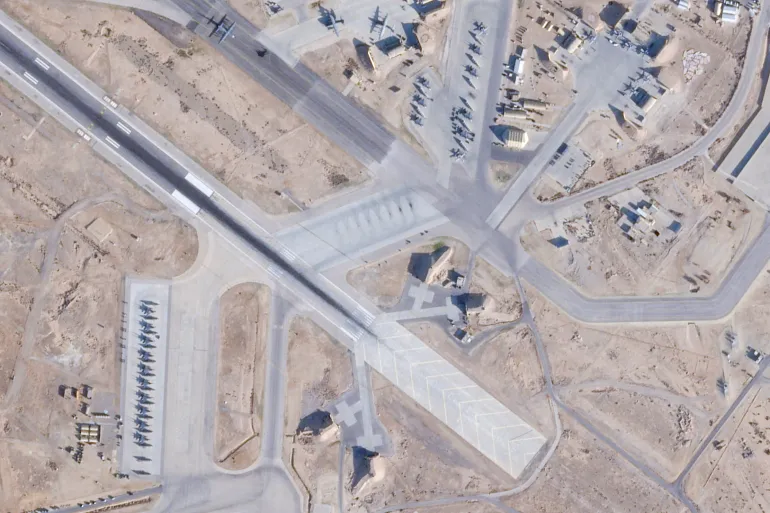
Imagery obtained from open sources indicates that the United States Naval Support Activity (NSA) base in Bahrain sustained heavy damage. This visual evidence corroborates official reports regarding the extent of the destruction. The damage occurred in retaliatory strikes following air attacks launched by the US and Israel across Iran in late February. These initial strikes marked a significant escalation in the ongoing conflict. The NSA Bahrain base was repeatedly targeted between February and June, indicating a sustained and deliberate campaign by Iranian forces against this key US installation. The repeated nature of the attacks notes the vulnerability of fixed military assets to persistent missile and drone assaults.
During these engagements, the command centre at the NSA Bahrain base was hit hard, along with at least a dozen other buildings within the facility. The targeting of the command centre suggests an attempt to disrupt leadership and coordination capabilities, while damage to numerous other structures indicates a broad assault across the base's infrastructure. These buildings included critical operational facilities, administrative offices, and support structures essential for daily base functions. The widespread destruction across the facility has significantly impaired its ability to function as a primary logistical and command hub. The severity of the damage to these multiple structures has rendered large portions of the base inoperable, necessitating extensive repairs or a complete strategic reassessment.
Jordanian Air Base Targeted
Overnight on Tuesday, Iranian strikes also impacted the Muwaffaq Salti Air Base in Jordan, known as the Al-Azraq base, damaging multiple US military aircraft. This attack on Jordanian soil further broadened the scope of Iranian military actions against US interests in the region. Iran’s Islamic Revolutionary Guard Corps (IRGC) stated it had launched “devastating” missile strikes on US forces stationed at the Al-Azraq base during the overnight hours. The IRGC’s declaration showed the intent behind the operation, framing it as a significant blow against US military capabilities. The IRGC claimed its missiles struck the maintenance, preparation, and deployment sites for F-35, F-16, and F-15 fighter jets, along with their shelters, asserting heavy damage was inflicted on the enemy. These specific claims, if accurate, would indicate a targeted effort to degrade the operational readiness of advanced US fighter aircraft.
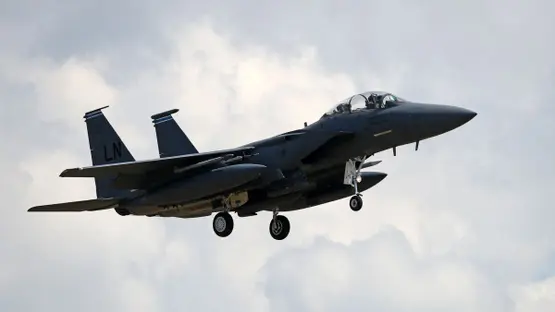
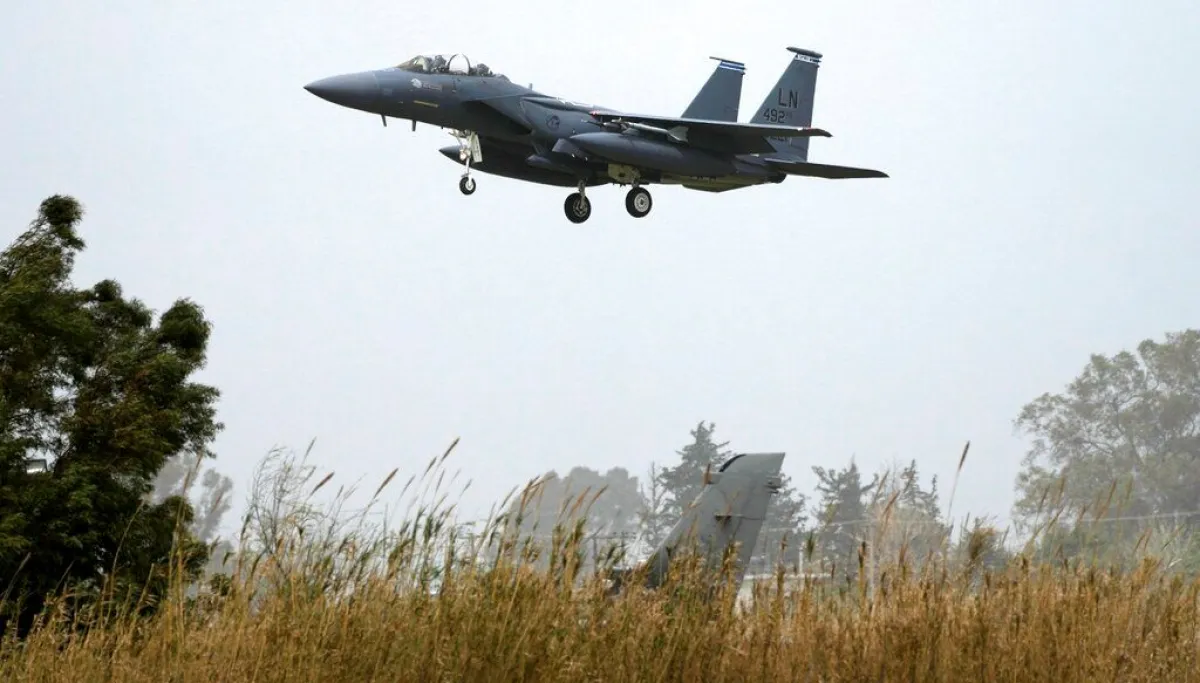
The Jordanian Armed Forces reported that 18 of 20 missiles had been intercepted, with the remaining two falling in "open areas." This high interception rate by Jordanian defenses notes the effectiveness of air defense systems in mitigating such attacks. Despite these interceptions, US forces responded by firing approximately 30 Patriot interceptor missiles to counter the incoming projectiles, indicating the perceived threat level. One A-10 Thunderbolt aircraft was struck during the engagement and lost a wing, demonstrating that even with intercepts, some projectiles managed to penetrate defenses and cause significant damage to military assets. Additionally, eight F-15s sustained light damage but were subsequently returned to service, reflecting the resilience of these aircraft and the rapid response capabilities of maintenance crews. The damage to these aircraft, even if light, necessitates thorough inspections and repairs, temporarily impacting their availability for operations.
The Iranian strike on the base in Jordan occurred after the US attacked five Iranian tankers in and around the Strait of Hormuz. This US action was reportedly in retaliation for Iran targeting a US Navy warship, indicating a cycle of escalating military engagements. Tehran has claimed strikes on the Al-Azraq base more than 10 times between March and September, suggesting a persistent campaign against this particular US installation. On June 10, the IRGC announced that its long-range missiles had destroyed several targets at the Al-Azraq airbase, including hangars and command centres. This earlier claim, if verified, would indicate a sustained effort to degrade the base's infrastructure and command capabilities. Iran further stated on July 17 that it had hit US military aircraft stationed at the Al-Azraq base with ballistic missiles and drones, claiming the destruction of several refuelling aircraft and fighter jets. These repeated claims, whether fully substantiated or not, demonstrate Iran's declared intent to target US air assets and infrastructure in the region. The consistent targeting of Al-Azraq notes its perceived strategic value to both sides of the conflict.
Broader Iranian Campaign
United States bases across the Middle East have come under repeated attack by Iran, raising questions about their long-term sustainability. This persistent targeting has forced military planners to reconsider the security posture and defensive capabilities of these installations. A May report from the US Congressional Research Service indicated that 42 US military aircraft had already been lost or damaged in the conflict by that time. This significant number shows the material cost of the ongoing hostilities and the effectiveness of Iranian attacks against air assets. Since the war began with US-Israeli strikes in February, 18 US service members have been killed and more than 800 have been injured, noting the human toll of the conflict and the direct impact on personnel.
Iran has targeted key US facilities in eight countries across the Middle East since the start of the conflict. This broad geographic scope demonstrates Iran's extensive reach and its strategy of applying pressure across multiple fronts. Iranian strikes heavily impacted US refuelling and surveillance aircraft at Prince Sultan Airbase in Saudi Arabia. The targeting of these critical support aircraft could significantly hamper US air operations and intelligence gathering capabilities in the region. Additionally, fuel storage bunkers, aircraft hangars, and troop accommodation at the Ali Al Salem Airbase and Camp Arifjan in Kuwait sustained significant damage. Damage to fuel storage directly impacts operational readiness, while hit hangars and troop accommodations pose risks to personnel and equipment. Three advanced anti-ballistic missile battery systems, each costing approximately $1 billion, were damaged at the Al Ruwais and Al Sader airbases in the United Arab Emirates and at Muwaffaq Salti Airbase in Jordan. The damage to these advanced defensive systems represents a substantial financial loss and potentially weakens regional air defense capabilities against further missile threats. The widespread nature of these attacks across various types of facilities indicates a full strategy aimed at degrading US military infrastructure and operational capacity throughout the Middle East.
Navy Re-evaluates Strategy
The Navy is currently evaluating the future of the NSA Bahrain base, including whether to repair the extensively damaged facility. This evaluation is critical given the base's former role as a central hub for US naval operations. Admiral Daryl Caudle stated that NSA Bahrain would not resume service “anytime soon” due to the significant damage it had sustained. This assessment from a senior naval official confirms the severity of the destruction and the long-term implications for the base's operational status. The damage to the base also impacted operations involving the USS Abraham Lincoln aircraft carrier. The inability of NSA Bahrain to provide its usual logistical and support functions directly affected the carrier's deployment schedule and operational effectiveness. Following the base's operational limitations, the USS Abraham Lincoln experienced a nearly nine-month extended deployment in the Middle East. This prolonged deployment, far exceeding typical operational cycles, placed immense strain on the crew and resources. This extended deployment triggered a mental health crisis among the carrier's crew members, noting the profound human cost of operational disruptions caused by the damage to critical support infrastructure. The impact on crew well-being shows the ripple effects of such attacks beyond immediate material damage.
Official Reactions and Claims
US Central Command (CENTCOM) confirmed that two US service members had been "killed in action" during an Iranian attack, with one other missing and four injured. This official confirmation from CENTCOM provides a direct account of casualties sustained by US forces in these engagements. The Wall Street Journal concluded that the Iranian strikes caused extensive damage which the Pentagon did not immediately acknowledge. This journalistic assessment suggests a potential discrepancy between the immediate public statements from the Pentagon and the actual extent of the destruction observed, raising questions about transparency regarding the impact of Iranian actions. The implications of such extensive damage, whether acknowledged immediately or not, are significant for US military posture and strategy in the Middle East.