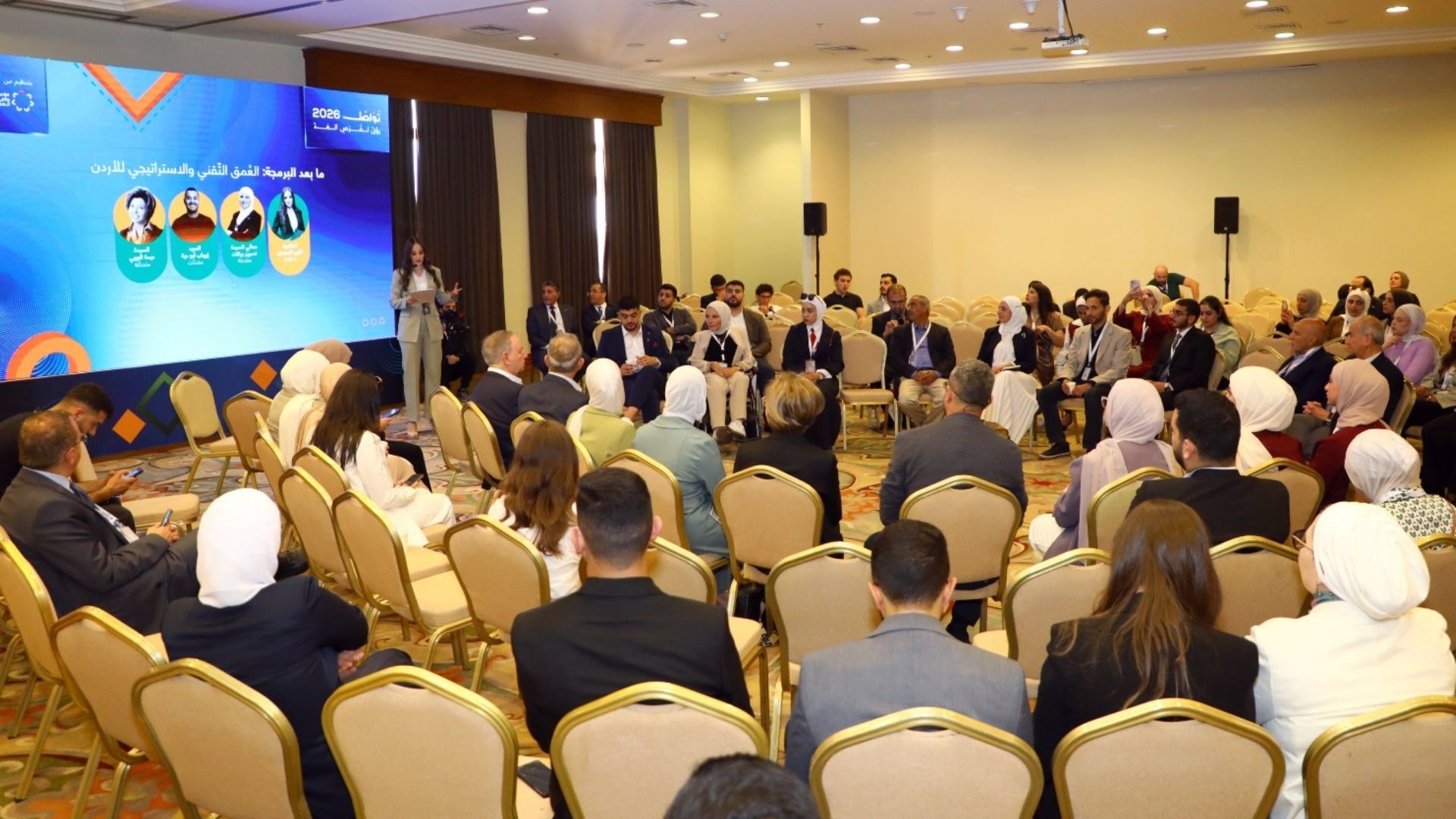
The fourth edition of the Tawasol Forum 2026 convened on Saturday, May 16, in the Dead Sea, Jordan, organized by the Crown Prince Foundation. This significant gathering brought together key stakeholders to deliberate on the future of work in the Hashemite Kingdom. The forum featured a panel discussion titled "The Gig Economy: Diversifying Income Sources and Its Impact on Growth Opportunities," focusing on critical aspects of Jordan's economic future. Discussions centered on strategies for institutionalizing remote independent labor within the country, a burgeoning sector with immense potential. Participants also addressed the necessity of reforming social safety nets to accommodate the evolving nature of work, ensuring that all Jordanians can benefit from new economic models. A key objective of the forum was equipping Jordanian youth to effectively compete in a global marketplace, noting the importance of the gig economy in achieving this goal by providing flexible employment opportunities and access to international clients. The forum showed the urgent need for a full national strategy to harness the full potential of the gig economy for Jordan's sustainable development and economic resilience.
Policy Frameworks for Independent Labor
Nesreen Barakat, CEO of the Jordan Strategy Forum (JSF), stated that various fields are experiencing rapid expansion within the gig economy. These include app-based delivery services, graphic design, digital marketing, content management, remote accounting, and specialized consulting. Barakat emphasized that a transition toward a gig economy does not require abandoning job security. Instead, she called for a complete overhaul of how labor protections are conceptualized and implemented within the existing legal and social frameworks. She advocated for a full modernization of Jordanian labor contracts to legally shield independent contractors, ensuring they receive equitable treatment and protections similar to traditional employees, yet tailored to the unique characteristics of freelance work. This modernization, she stressed, is key for fostering a stable and attractive environment for independent professionals.
Barakat explained that current social security and health insurance paradigms must decouple from corporate employers. She suggested these benefits should link directly to the individual worker based on professional identity and output metrics, rather than being solely tied to a single employer. This fundamental shift would empower independent workers with portable benefits, allowing them to move between projects and clients without losing essential social protections. "Ultimately, this requires transitioning from corporate-sponsored benefits to portable, individualized public protection portfolios that follow the worker regardless of their contract status," Barakat said, outlining a vision for a more adaptable and inclusive social safety net. Barakat called for legislative amendments to state insurance frameworks, a measure she stated would help mitigate income volatility experienced by independent contractors, providing a much-needed financial cushion during periods of fluctuating work. This proactive approach aims to address one of the primary concerns for individuals engaged in gig work.
Ehab Abu Diyah, Founder of the Maksoub platform, noted operational vulnerabilities within the freelance model. Abu Diyah noted challenges such as early-stage revenue volatility, which can deter individuals from pursuing independent careers, and psychological burnout among independent workers, often stemming from the lack of traditional support structures and the pressure to constantly secure new projects. These insights showed the human element in the gig economy and the need for supportive policies beyond just economic incentives.
Global Benchmarks and Youth Readiness
Ehab Abu Diyah cited the institutional frameworks of the Philippines, Bangladesh, and Pakistan as successful global benchmarks where the state has formalized independent digital labor. These countries have implemented policies and programs that support their freelance workforces, offering valuable lessons for Jordan in developing its own strong ecosystem. Deema Bibi, CEO of Injaz, emphasized that true equity in freelancing hinges on skill competitiveness, which includes the mastery of digital reputation management, cross-border client negotiation, and advanced linguistic proficiency in English. These skills are critical for Jordanians looking to compete effectively on global platforms. Bibi stated, "True equity, Bibi digitalized, depends on skill competitiveness, which includes the mastery of digital reputation management, cross-border client negotiation, and advanced linguistic proficiency in English, alongside expanding Arabic freelance portals." This notes the dual need for both global-facing skills and localized platforms to support the diverse linguistic capabilities of the workforce.
Bibi advocated for an integrated support ecosystem within Jordan's governorates, extending beyond Amman. This proposed system would combine business incubators to nurture new ventures, mentor networks to guide aspiring freelancers, universities to provide foundational and advanced training, and subsidized co-working spaces to foster collaboration and community among independent workers. Such a full approach would decentralize opportunities and ensure that the benefits of the gig economy are accessible across the entire country. She also noted that educational adjustments over the last five years have outpaced those made in the previous two decades, indicating a positive trend in responsiveness to changing labor market demands. Bibi called for educational institutions to continuously adapt to artificial intelligence disruptions, moving away from rigid vocational tracks. She stated that institutions should instead focus "toward teaching lifelong adaptive learning mechanisms," preparing students not just for current jobs but for a future where adaptability and continuous learning are key to success. This forward-looking educational strategy is vital for maintaining Jordan's competitive edge in a rapidly evolving global economy.
Expert Calls for Systemic Reform
Nesreen Barakat, CEO of the Jordan Strategy Forum (JSF), reiterated her argument that social security and health insurance paradigms must decouple from corporate employers and instead link directly to the individual worker. This would create a more flexible and equitable system for the burgeoning independent workforce. Barakat further called for legislative amendments to state insurance frameworks, a measure she stated would help mitigate income volatility experienced by independent contractors by providing a more stable financial safety net. These reforms are seen as essential for building confidence and security within the gig economy.
Ehab Abu Diyah, Founder of the Maksoub platform, Co-Founder of the Handed e-commerce store, and Head of the International Academy for Electronic Commerce, addressed the integration of freelance labor into the formal economy. "To integrate freelance labor into the formal economy without imposing prohibitive cost barriers," Abu Diyah stated, "Abu Diyah called for targeted tax reforms and streamlined legal registrations for sole proprietorships, ensuring legal protection without complex overhead." He advocated for these changes to support independent workers, making it easier for them to operate legally and access formal sector benefits without being burdened by excessive administrative or financial requirements. This approach aims to bring more gig workers into the formal economy, enhancing their protections and contributions.
Deema Bibi, CEO of Injaz, emphasized the need for educational institutions to continuously adapt to artificial intelligence disruptions. Bibi called for a shift away from rigid vocational tracks, advocating instead for teaching lifelong adaptive learning mechanisms. This educational transformation is critical to ensure that Jordan's workforce remains relevant and competitive in a future increasingly shaped by technological advancements and the dynamic nature of the gig economy. The collective insights from the Tawasol Forum 2026 highlight a clear roadmap for Jordan to embrace and lead in the global gig economy, fostering innovation, economic growth, and youth empowerment.