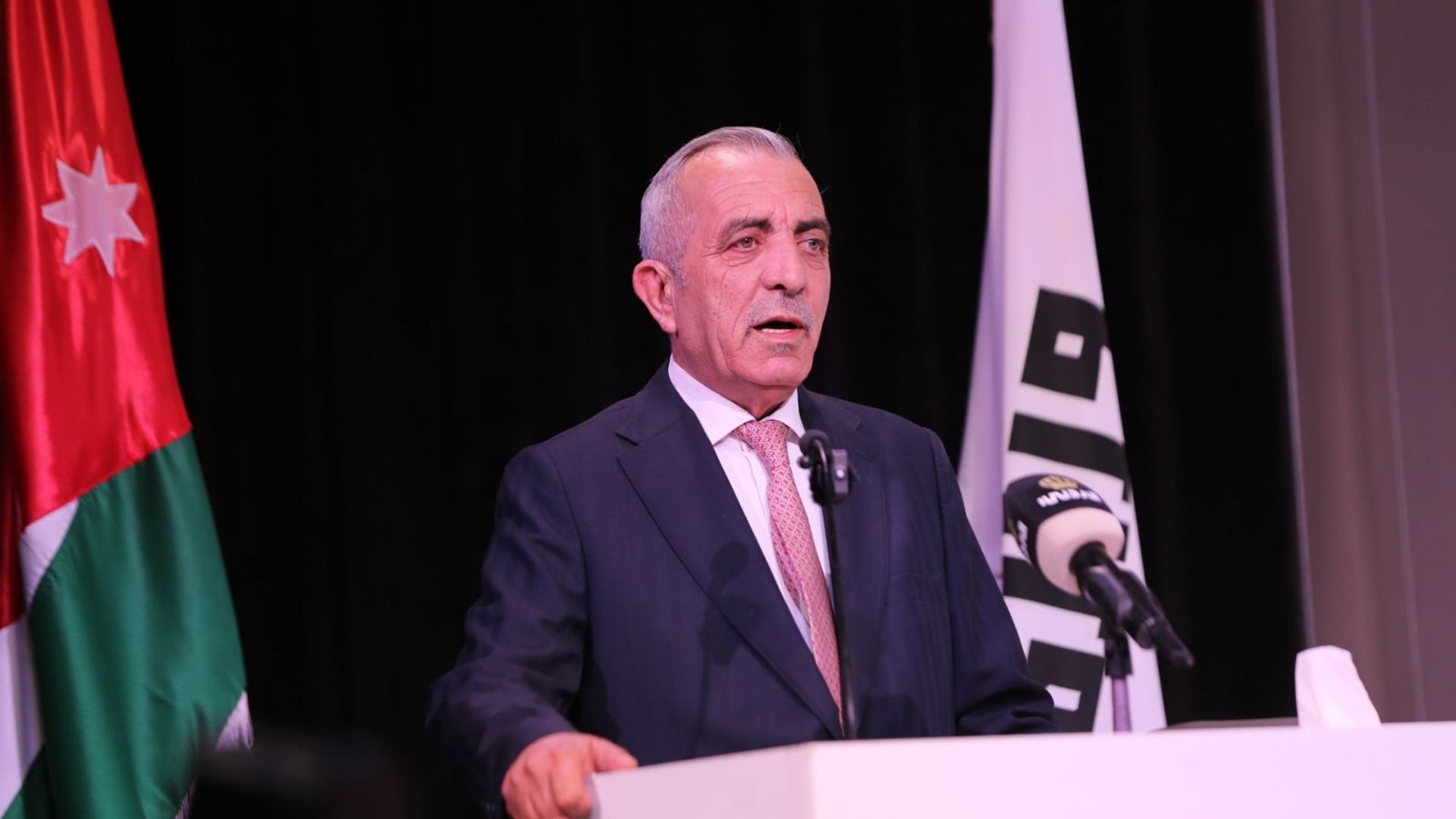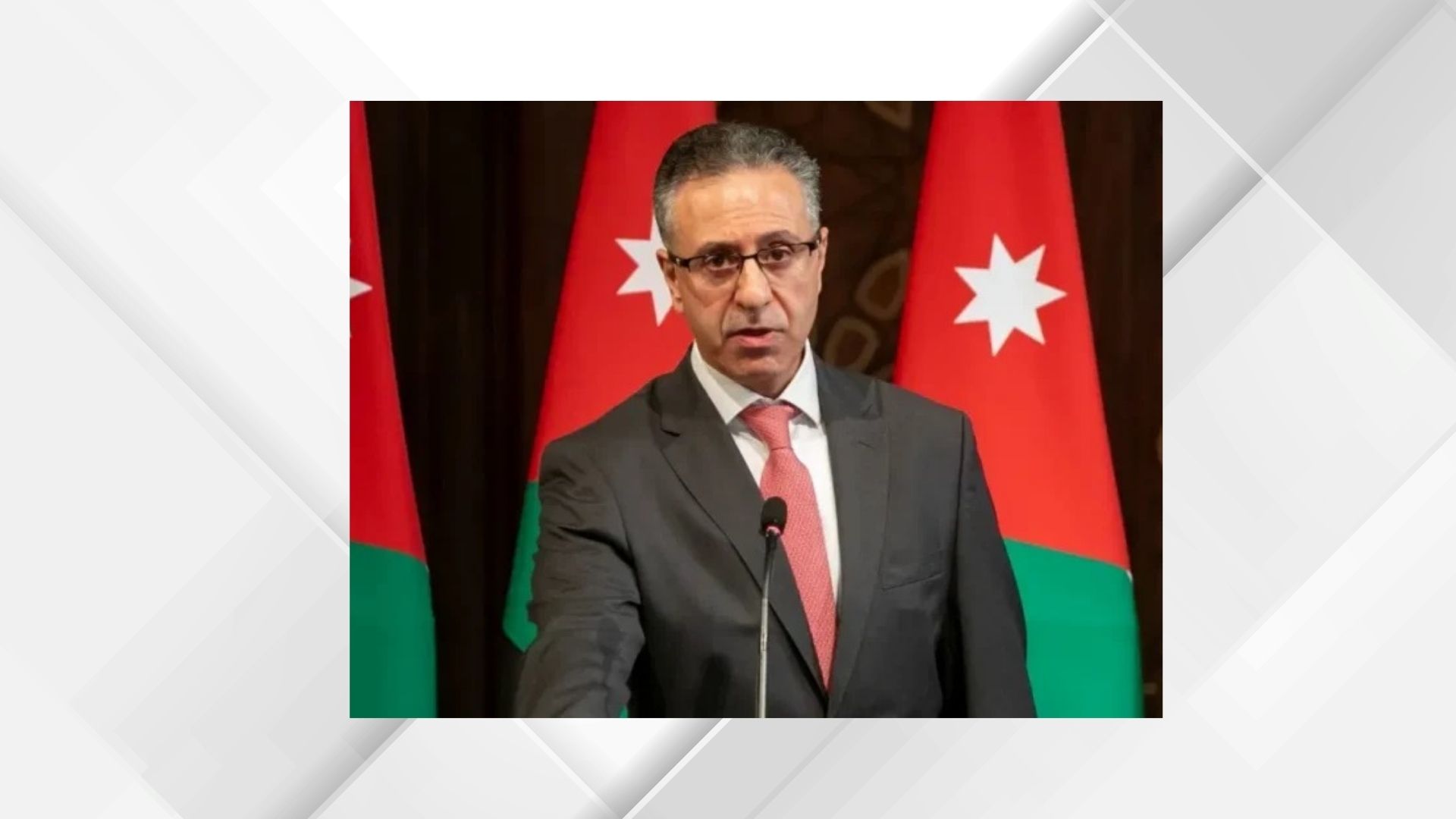
Jordan's Minister of Industry, Trade, and Supply, Yarub Qudah, and Saudi Minister of Industry and Mineral Resources, Bandar Al-Khorayef, convened via videoconference on Monday, May 11, 2026. This high-level meeting marked a significant step in the ongoing efforts to enhance economic collaboration between the two nations. The ministers discussed expanding economic, industrial, and trade cooperation between their respective nations, outlining a full agenda for future collaboration. Their talks focused on bolstering these ties as part of a broader effort to support Arab economic integration, showing a shared vision for regional prosperity and stability. The virtual conference allowed for a detailed exchange of ideas and strategies to advance their mutual economic objectives.
Expanding Industrial Cooperation
The discussions identified priority sectors for industrial and investment partnerships between Jordan and Saudi Arabia, which include pharmaceutical, food, and mining industries, alongside logistics services. These sectors were noted for their potential to drive significant economic growth and create new opportunities. The ministers emphasized strengthening cooperation in supply and procurement chains, recognizing their critical role in modern economies. This initiative aims to improve the efficiency and competitiveness of national industries in both countries, fostering a more strong and resilient industrial base. Discussions also focused on resolving challenges and obstacles hindering the growth of bilateral trade. Both ministers acknowledged the importance of addressing these impediments proactively. Improved coordination and simplified procedures are considered essential to facilitate this growth, according to officials involved in the talks, ensuring smoother trade flows and increased commercial activity. These measures are expected to streamline processes and reduce bureaucratic hurdles, thereby encouraging greater cross-border business.
Strengthening Bilateral Relations
During their dialogue, the ministers stressed the importance of building on the deep-rooted ties between Jordan and Saudi Arabia. These historical and cultural connections provide a strong foundation for deepening economic partnerships. Officials from both nations affirmed their shared commitment to supporting and fostering partnerships between the Jordanian and Saudi private sectors. This focus aims to enhance economic collaboration at a grassroots level, encouraging direct engagement and investment between businesses and entrepreneurs. Such initiatives are vital for translating high-level agreements into tangible economic benefits for both countries. They also emphasized the necessity of continued coordination and consultation between relevant authorities in Jordan and Saudi Arabia. This ongoing dialogue is considered vital for addressing emerging challenges and ensuring the smooth implementation of agreed-upon initiatives, thereby solidifying the framework for bilateral cooperation. Regular communication and strategic planning between government bodies are key for maintaining momentum and adapting to evolving economic landscapes.
Regional Economic Integration Goals
The measures under discussion between Jordan and Saudi Arabia are intended to positively affect the trade volume between the two countries, aiming for a substantial increase in commercial exchanges. Officials aim to strengthen the sustainability of supply chains throughout the broader Arab region, recognizing that strong regional logistics are key to economic resilience. This strategic focus is designed to enhance economic resilience and improve the flow of goods across national borders, benefiting not only Jordan and Saudi Arabia but also the wider regional economy. The initiatives are part of a concerted effort by both nations to foster deeper economic integration and collaboration, contributing to a more interconnected and prosperous Arab world. By improving trade mechanisms and supply chain reliability, Jordan and Saudi Arabia seek to create a more stable and interconnected regional economy. These efforts align with their shared objective of promoting collective economic growth and stability, demonstrating a forward-looking approach to regional development. The commitment to these goals reflects a broader vision for a prosperous and integrated Arab economic bloc.