Jordan has signed a $1 billion investment agreement to develop its inaugural utility-scale green ammonia production facility, marking a significant step in the nation's energy strategy and its ambitious clean energy transition goals. The project's substantial capital cost is estimated at around $1 billion, according to official statements released by the government. This landmark deal aims to firmly position Jordan as a regional hub for both renewable energy generation and the burgeoning production of green hydrogen. The initiative shows Jordan's unwavering commitment to diversifying its energy sources away from traditional fossil fuels and enhancing its key role in the global clean energy transition. This agreement represents a strategic and forward-looking move towards sustainable industrial development within the country, fostering a new era of environmentally responsible economic growth.
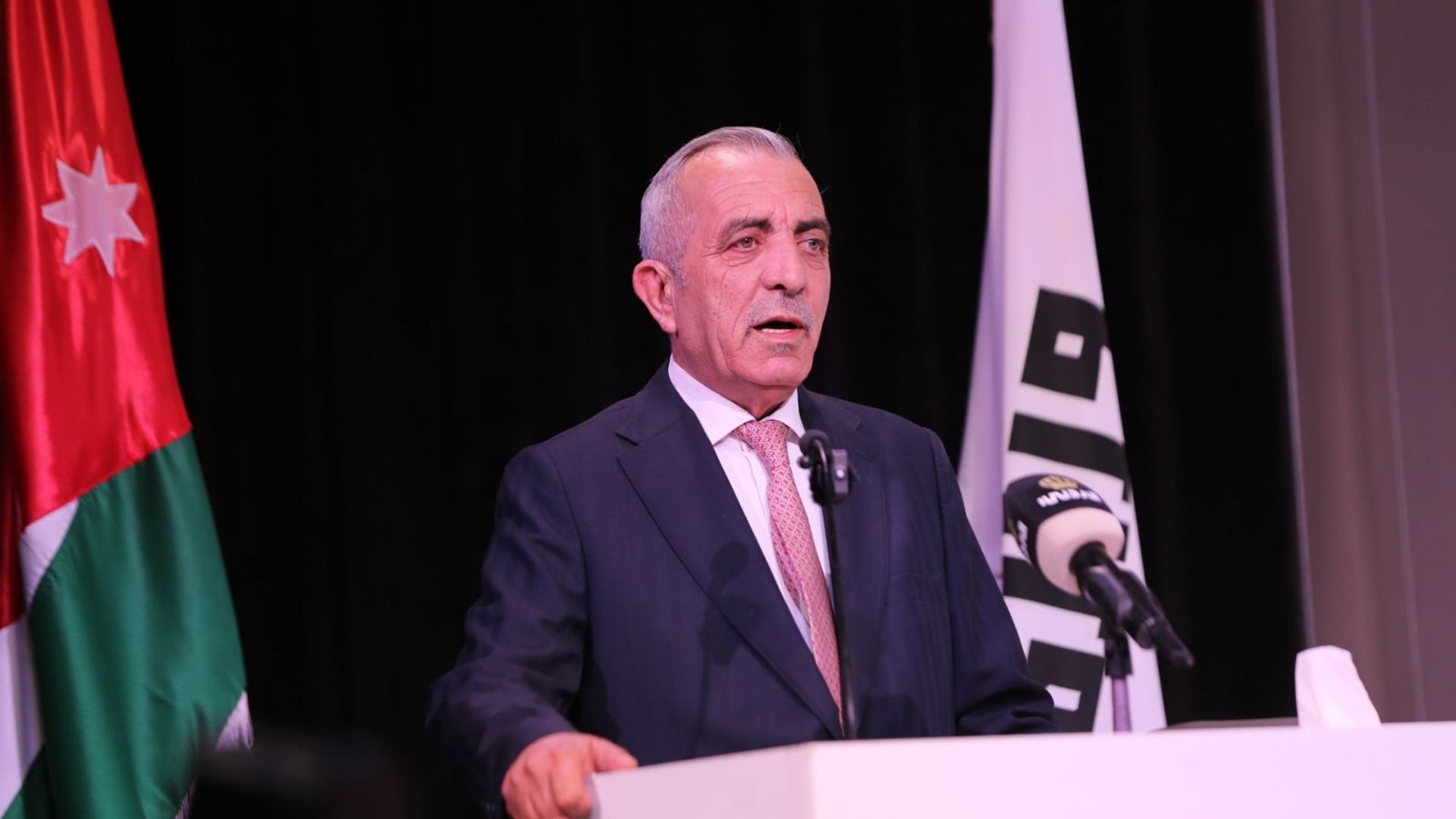
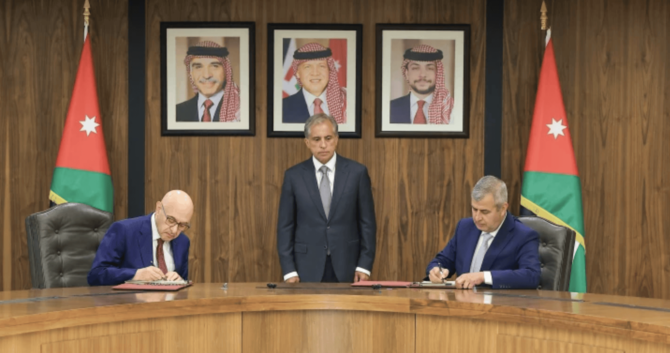
The agreement was formally signed between the Ministry of Energy and Mineral Resources and Jordan Green Ammonia Co. The consortium tasked with bringing this ambitious project to fruition. This partnership signifies a collaborative effort to advance Jordan's renewable energy infrastructure.
Project Scope and Technology
The full project is specifically designed to produce green hydrogen through the innovative utilization of solar energy, operating entirely within an off-grid system. This self-sustaining approach notes the project's commitment to clean energy from its very foundation. The integrated system will incorporate a substantial renewable generation capacity of up to 550 megawatts, ensuring a strong and consistent supply of clean power for the electrolysis process. This significant capacity shows the scale and ambition of the facility. The facility aims to achieve an impressive annual production target of 100,000 tonnes of green ammonia, a critical component for various industrial applications and a key enabler of a low-carbon economy.
Jordan Green Ammonia Co. The entity spearheading this initiative, is described as a dynamic Polish–Emirati consortium. This international collaboration brings together diverse expertise and resources, further strengthened by the key support from Dutch technical expertise. This blend of international partnership and specialized knowledge is expected to drive the project's success and technological advancement. The reliance on green hydrogen production using solar energy within an off-grid operating system represents a advanced approach to sustainable industrial manufacturing, minimizing environmental impact and maximizing energy efficiency. The facility's design emphasizes self-sufficiency and environmental stewardship, setting a new standard for industrial projects in the region.
Economic and Environmental Impact
The green ammonia facility is projected to significantly reduce Jordan's overall carbon footprint, with optimistic expectations of curbing more than 200,000 tonnes of carbon emissions annually. This substantial reduction is measured against the emissions typically associated with conventional gas-based production methods for ammonia, noting the profound environmental benefits of this green alternative. By replacing carbon-intensive processes, the project contributes directly to Jordan's national climate goals and global efforts to combat climate change.
Officials anticipate that the project will serve as a vital technical hub for the entire region. This strategic role is expected to facilitate the smooth transfer of advanced energy technologies into Jordan, fostering innovation and cultivating specialized expertise within the country's workforce. The initiative is also poised to generate a significant number of specialized job opportunities, directly contributing to local employment in the high-tech energy sector. These roles will encompass various fields, from engineering and operations to research and development, building a skilled workforce capable of supporting Jordan's future in renewable energy. The project's economic benefits extend beyond direct employment, potentially stimulating growth in supporting industries and attracting further foreign investment in green technologies.
Timeline and Future Outlook
The Ministry of Energy and Mineral Resources formally signed the agreement for the green ammonia facility with Jordan Green Ammonia Co. Solidifying the commitment from both public and private sectors. The full deal outlines a clear and structured developmental timeline for the project, providing transparency and setting key milestones. Financial close for the initiative is anticipated to occur in September 2027, marking a significant and key milestone in the project's funding and overall execution. This phase will secure the necessary capital to move forward with construction and implementation.
Following this critical financial milestone, the advanced facility is scheduled to commence its commercial operations in November 2030. This timeline positions the project as a long-term strategic investment in Jordan's rapidly expanding renewable energy infrastructure. The structured approach to financing and operational launch aims to ensure the successful and smooth integration of the green ammonia plant into the national energy landscape, contributing to Jordan's energy security and sustainable industrial growth for decades to come. The project exemplifies Jordan's proactive stance in embracing green technologies and establishing itself as a leader in the regional clean energy market.