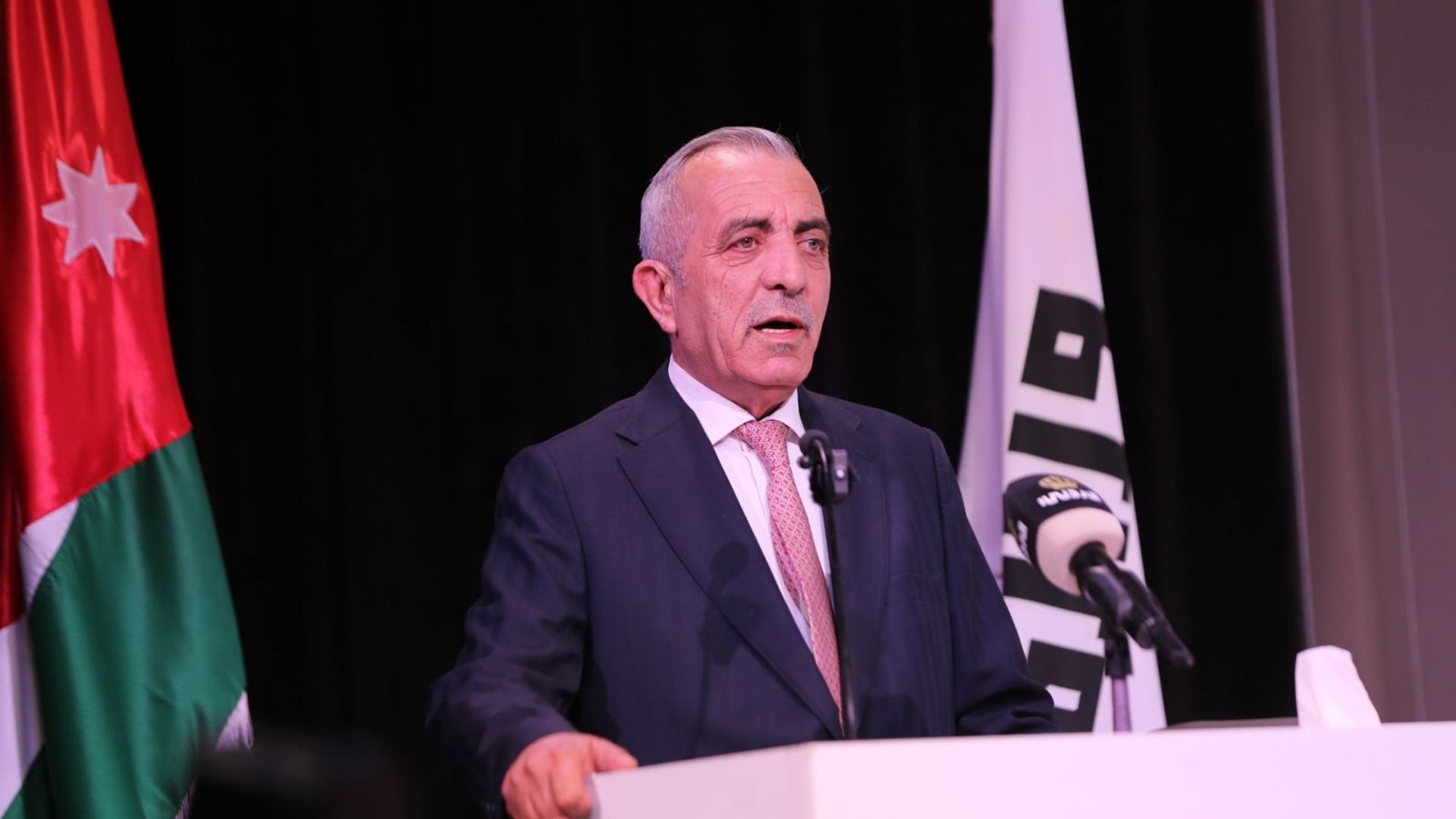
Minister of Culture Mustafa Rawashdeh recently addressed a dialogue seminar in Jerash, titled "Jordan: Land and People... Jerash, City of a Thousand Columns, and its Role in Building the Jordanian Narrative." The seminar is part of the Ministry of Culture's participatory national cultural program, "Dialogues," which has been launched across the Kingdom’s governorates. This program shows the Ministry's commitment to fostering cultural discourse and engagement at a national level. Minister Rawashdeh stated, "The Jordanian Narrative Project represents a key national initiative aimed at reinforcing Jordanian national identity and noting the Kingdom’s historical and cultural depth, reflecting Jordan’s longstanding civilizational and human heritage." He added that the national dialogue on the Jordanian narrative, initiated by His Royal Highness Crown Prince Al Hussein bin Abdullah II from Tafila, marked "a key milestone in documenting Jordan’s cultural and historical legacy." This launch from Tafila emphasized the project's broad national scope and its importance to all regions of the Kingdom. The Minister elaborated on the project's significance, noting its role in celebrating the diverse contributions that have shaped Jordan over millennia.
Project Aims and Scope
The Jordanian Narrative Project originated from a recognized need to preserve and document the diverse civilizations and cultural heritage embraced by Jordanian land throughout history. This fundamental requirement drives the project's extensive research and engagement efforts. The initiative aims to solidify the Kingdom's historical foundations and cultural depth, providing a full understanding of its past. Ministry of Culture Secretary-General Nidal Ayasrah recently reviewed the objectives and outputs of the project, noting its ambitious scope. Ayasrah indicated that the project extends beyond merely linking historical events to geography. Instead, it encompasses a detailed analysis of the social, cultural, and human transformations that have shaped Jordan’s national identity. These transformations are integral to understanding how the foundations of the Jordanian state were built and how they contribute to its future vision. The project seeks to weave together these elements into a cohesive and compelling national story, emphasizing the continuity of Jordan's heritage from ancient times to the present day. This holistic approach ensures that the narrative is not just a chronological account but a deep exploration of the forces that forged the nation.
Jerash: A Historical Cornerstone
Jerash is considered one of the most prominent Roman cities outside of Rome itself and is recognized as one of the Decapolis cities, with its history extending back to the Bronze Age. Its ancient ruins bear testament to centuries of human habitation and cultural exchange. The city experienced significant prosperity during successive Islamic eras, particularly under the Umayyads, when it became a key cultural and commercial hub. This period saw Jerash flourish as a nexus of trade and intellectual activity, contributing to its rich historical tapestry. Its historical importance is further showed by its role in early Jordanian cinema, having hosted the filming of some of the first cinematic productions in the country. These early films captured the city's unique charm and historical grandeur, cementing its place in the national cultural memory.
Nidal Ayasrah, Secretary-General of the Ministry of Culture, further emphasized Jerash’s historical significance as a commercial center situated along vital pilgrimage and trade routes during the Umayyad era. He detailed how its strategic location facilitated not only economic prosperity but also the exchange of ideas and cultures. Ayasrah also noted the active participation of Jerash residents in the Great Arab Revolt. Their contributions were instrumental in the establishment and development of the modern Jordanian state, linking the city's ancient routes to its contemporary identity. This involvement demonstrates the deep-rooted patriotism and commitment of Jerash's people to the national cause, proving their enduring legacy in the formation of the Hashemite Kingdom. The Secretary-General stressed that understanding Jerash's multifaceted history is essential for a complete appreciation of the Jordanian narrative.
Official Perspectives
The seminar was held at the Jerash Cultural Center on Sunday, providing a significant platform for these discussions. Jerash Governor Malek Khreisat affirmed that the Jordanian narrative serves as a reflection of the Kingdom's extensive history and its national accomplishments. He showed that this narrative is not merely a collection of facts but a living testament to Jordan’s resilience and progress. Khreisat further emphasized that the Hashemite leadership has successfully established a national model characterized by stability, ongoing development, and sustained institutional progress. This model, he noted, has been key in navigating regional challenges and ensuring the well-being of the Jordanian people. The governor's remarks showed the project's aim to connect the historical trajectory of Jordan with its contemporary state-building efforts, illustrating how past achievements inform present aspirations. Governor Khreisat's statement at the Jerash Cultural Center noted the foundational role of the Hashemite monarchy in fostering a cohesive national identity and steering the country's socio-economic advancement. His comments reinforced the official view that the project is key for articulating Jordan's unique story and its enduring legacy, providing a framework for future generations to understand and appreciate their national heritage.