Excelerate Energy, a prominent U.S.-based liquefied natural gas (LNG) and power infrastructure company headquartered in Texas, has executed a nine-month time charter party agreement with Jordan’s National Electric Power Company (NEPCO). This significant agreement solidifies the company's commitment to ensuring a stable and reliable energy supply in the region. The charter party agreement shows Excelerate Energy's ongoing efforts to support energy security for its partners. Excelerate stated that "The transactions are structured on a back-to-back basis, with delivery obligations aligned to supply commitments and supported by contractual force majeure protections." This strategic approach aims to mitigate potential risks and ensure operational continuity.
New FSRU Enters Service
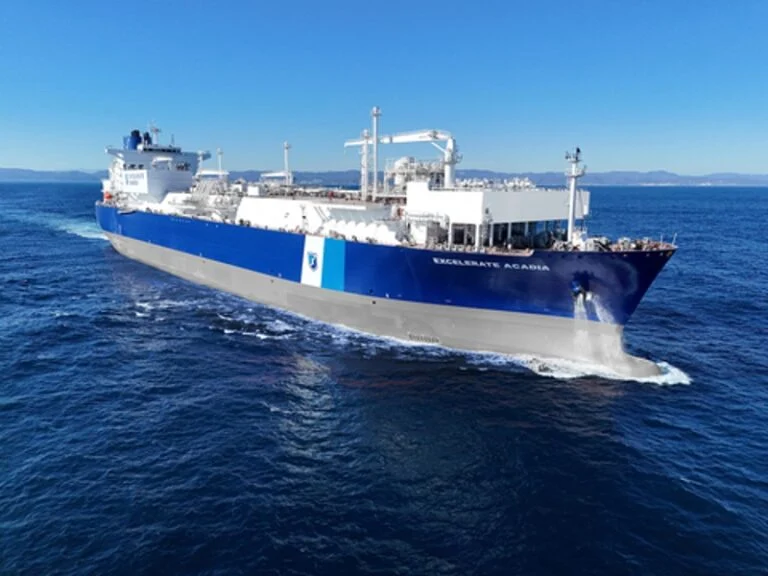
The FSRU Excelerate Acadia, a advanced floating storage and regasification unit, is slated for deployment to Jordan’s existing LNG terminal in Aqaba. This deployment is a key step in bolstering Jordan's energy infrastructure. Operations for the FSRU Excelerate Acadia are anticipated to commence in mid-2026, marking a significant milestone for both Excelerate Energy and NEPCO. The company reiterated that the transactions related to this deployment "are structured on a back-to-back basis, with delivery obligations aligned to supply commitments and supported by contractual force majeure protections." This structure ensures that supply commitments are met efficiently and securely. The vessel was officially named at Hyundai Heavy Industries’ shipyard in South Korea just weeks prior to the charter agreement announcement, noting its readiness for service. The FSRU Excelerate Acadia represents a key asset in Excelerate Energy's fleet, designed to provide flexible and reliable regasification services.
Broader Regional Projects
Beyond its latest commitment in Jordan, Excelerate Energy has been actively involved in several broader regional projects aimed at expanding LNG infrastructure. In October 2025, the company signed a definitive commercial agreement with a subsidiary of Iraq’s Ministry of Electricity for the country's first integrated liquefied natural gas (LNG) import terminal. The startup of the Iraq terminal is now anticipated in 2027. This timeline represents a delay from the previously projected third quarter of 2026, a shift attributed to ongoing conflict in the Middle East. Despite the challenges, the project is expected to significantly enhance Iraq's energy capabilities. Further demonstrating its regional presence, Excelerate Energy's FSRUs Explorer and Express are currently fully operational in the UAE, providing essential regasification services to the Emirates. The company has consistently stated that "The transactions are structured on a back-to-back basis, with delivery obligations aligned to supply commitments and supported by contractual force majeure protections." This strong approach underpins Excelerate’s operational framework across its various projects in the region, ensuring stability and reliability for its partners.
Supply Chain Challenges
The integrated project in Iraq includes a full five-year agreement for regasification services and LNG supply, with built-in options for extension. This agreement sets a minimum contracted offtake of 250 million standard cubic feet per day, indicating a substantial commitment to Iraq's energy needs. Amidst broader regional developments and a dynamic global energy market, Excelerate Energy received a force majeure notice in March 2026 from QatarEnergy concerning its long-term LNG supply agreement. Following this development, Excelerate Energy issued a corresponding notice to Petrobangla under its own long-term supply agreement with the Bangladeshi state-owned company. These notices highlight the complex nature of international energy supply chains and the impact of unforeseen circumstances. Excelerate stated that such transactions "are structured on a back-to-back basis, with delivery obligations aligned to supply commitments and supported by contractual force majeure protections." This arrangement is specifically designed to mitigate risks associated with supply chain disruptions, safeguarding the interests of all parties involved in its extensive network of energy agreements.