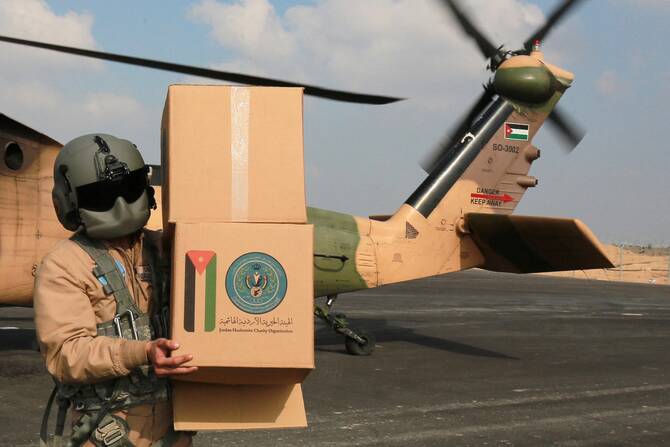
Oman delivered medical supplies and equipment to Palestinians in the Gaza Strip on Wednesday, with Jordanian authorities facilitating the aid. The humanitarian shipment aimed to support medical efforts in the besieged territory, which has faced severe shortages due to ongoing hostilities. This assistance shows continued international efforts to address the urgent health needs of Gaza's population. The coordinated delivery notes the role of regional partners in humanitarian operations. The provision of these vital resources is a direct response to the escalating humanitarian crisis within the enclave, where medical facilities are often overwhelmed and undersupplied. This latest delivery from Oman, channeled through Jordan, represents a tangible effort to alleviate some of the immense pressure on Gaza's healthcare system.
Logistics of Aid Delivery
The Jordanian Royal Medical Services and the Jordan Hashemite Charity Organization collaborated with the Oman Embassy in Amman to arrange the shipment. This medical aid is designated for distribution to Jordanian field hospitals that are currently operating within the Gaza Strip. The collaborative effort ensured a streamlined process for transporting the critical supplies from Oman to the point of need. These field hospitals play a key role in providing immediate medical attention and surgical interventions to those injured in the conflict. Doctors at the Jordanian Armed Forces’ field hospital in Khan Younis, located in southern Gaza, on Wednesday performed surgical procedures on two patients who had sustained broken limbs. The success of such operations relies heavily on the consistent supply of medical equipment and pharmaceuticals, which this Omani shipment aims to reinforce. The coordinated effort aims to bolster healthcare provisions in the besieged enclave, ensuring that medical professionals have the necessary tools to save lives and treat injuries.
Broader Jordanian Support
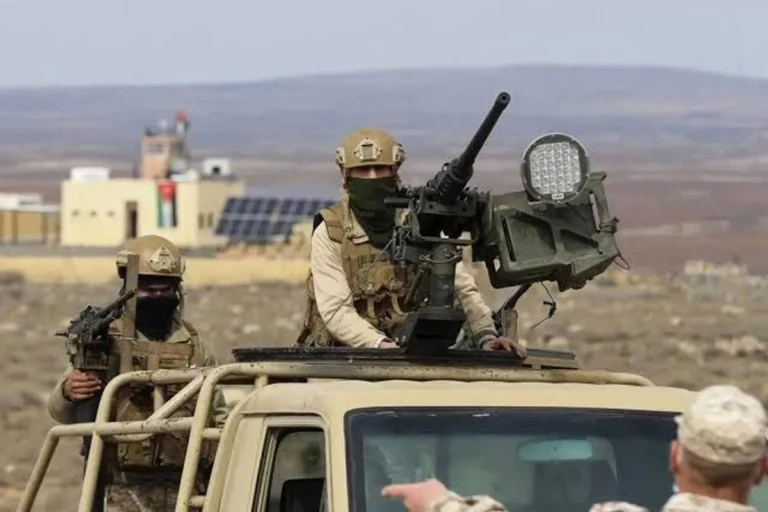
The Jordanian military maintains a field hospital in the north of Gaza, complementing its operations in the southern part of the enclave. These medical facilities are critical components of the broader humanitarian response, offering full medical services in areas severely impacted by the conflict. Jordan's humanitarian efforts in Gaza extend beyond medical facilities to include several other initiatives. These encompass the provision of a land route dedicated to aid deliveries, a mobile bakery designed to address food needs, and a program to evacuate critically ill individuals for treatment at hospitals within Jordan. The land route is particularly vital for ensuring a steady flow of aid into the strip, circumventing some of the logistical challenges associated with other delivery methods. The mobile bakery addresses the immediate and pressing need for food, providing fresh bread to communities facing acute food insecurity. The evacuation program offers a lifeline to patients whose conditions are too severe to be managed within Gaza's damaged healthcare infrastructure, transporting them to advanced medical facilities in Jordan for specialized care. These coordinated actions aim to alleviate the humanitarian crisis and support the civilian population in the Gaza Strip, demonstrating a multifaceted approach to aid delivery.
Humanitarian Crisis Context
The Palestine News Agency reported that the death toll from the Israeli war in Gaza rose to 73,246 this week. Since October 7, 2023, 173,727 people have also been injured in the territory, according to the agency. These figures show the catastrophic human cost of the ongoing conflict and highlight the urgent need for sustained humanitarian assistance, including medical supplies and facilities. The sheer number of casualties places an immense burden on the already strained healthcare system within Gaza.
Separately, at least 1,123 people have been killed and 3,616 injured since October last year. These casualties occurred after a US-sponsored peace plan for Gaza was signed, which aimed to ensure a permanent ceasefire and initiate reconstruction efforts. The continued violence and the rising casualty count demonstrate the fragility of any peace initiatives and the persistent dangers faced by civilians. The ongoing humanitarian situation has prompted international and regional responses, including the recent medical aid delivery from Oman facilitated by Jordan. The persistent violence continues to impact the civilian population, creating urgent needs for medical supplies and humanitarian assistance across the Gaza Strip, necessitating continued international and regional cooperation to address the crisis effectively.