Jordan's economic policies have successfully contained inflationary pressures, safeguarding the purchasing power of its citizens through a strategic blend of monetary and fiscal interventions, alongside strong supply chain management. This coordinated approach has enabled the Hashemite Kingdom to maintain a remarkable degree of economic stability, particularly when compared to global inflation trends. The deliberate actions taken by key institutions and the government show a commitment to shielding the national economy from external shocks and ensuring essential goods remain accessible and affordable.
Monetary and Fiscal Levers
The Central Bank of Jordan (CBJ) has played a key role in supporting price stability through a sophisticated combination of interest rate adjustments, careful liquidity management within the financial system, and by meticulously maintaining strong foreign currency reserves. These monetary tools were deployed to steer the economy towards stability, mitigating the impact of global economic volatility. Concurrently, government measures aimed at controlling inflationary pressures were full and multi-faceted. These included actively managing fuel costs to reduce the burden on consumers and businesses, reducing shipping expenses to lower import costs, and ensuring the consistent availability of essential supplies across the country. These governmental actions were critical in complementing the CBJ's monetary policy efforts.
Economist Hossam Ayesh noted a specific monetary action that significantly contributed to market liquidity and economic support. He stated that "reducing the mandatory reserve ratio injected around JD760 million in additional liquidity into the market, supporting the private sector." This strategic measure, which infused approximately JD760 million in Jordanian Dinars into the market, was meticulously designed not only to bolster overall economic activity but also to provide key, targeted support to the private sector, enabling businesses to navigate the challenging economic landscape more effectively. The injection of this liquidity helped ensure that credit remained available for investment and operational needs, fostering an environment conducive to growth despite external pressures.
Resilient Supply Chains
Royal directives played a key, forward-looking role in strengthening Jordan's food security and boosting investment in its vital food industry. This sustained focus ensured that domestic production capacities were not only enhanced but also diversified, reducing reliance on external sources for critical food items. The emphasis on local production and processing capabilities has been a cornerstone of the nation's strategy to achieve self-sufficiency and resilience. Critical sectors such as agriculture and industry sustained their operations without interruption, which was absolutely essential for maintaining adequate and consistent food supplies across the country, preventing shortages and price spikes. This continuity of operations, even during periods of global disruption, demonstrated the robustness of Jordan's supply chain infrastructure and planning.
Economist Hossam Ayesh further emphasized the strategic importance of the nation's financial stability in this context, particularly noting the role of its foreign currency reserves. "Jordan's foreign currency reserves provide strategic capacity to finance imports and secure essential needs, helping protect consumers and maintain market stability during regional and global uncertainty," Ayesh stated. These substantial reserves are undeniably key for insulating the economy from external shocks and ensuring the continuous, uninterrupted flow of goods into the country. The ability to finance imports is a cornerstone of the country's full strategy to safeguard consumer purchasing power and guarantee the availability of essential commodities, thereby maintaining social and economic equilibrium.
Expert and Stakeholder Views
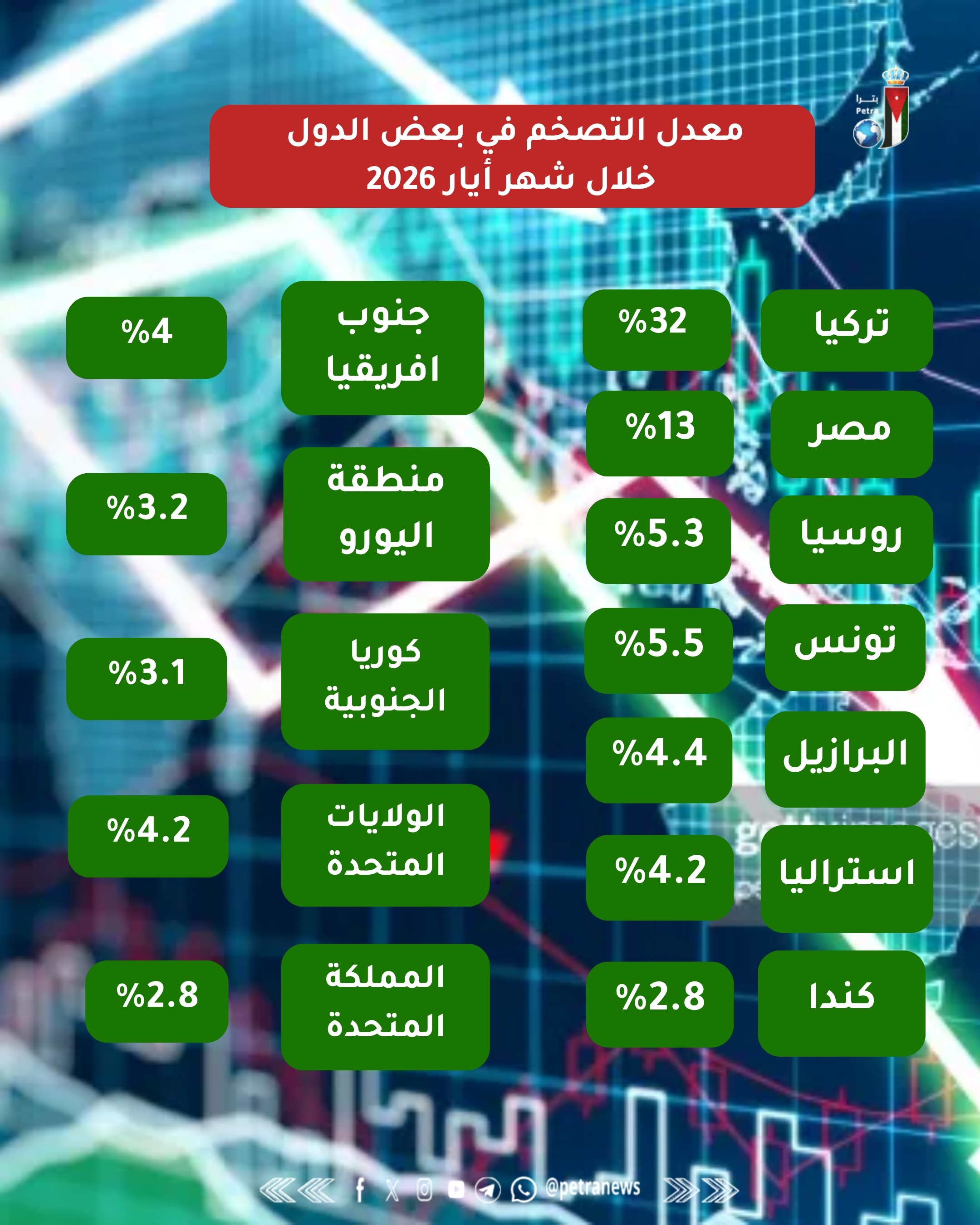
Jordan's economic performance reflects a notable divergence from prevailing global inflation trends, showing the effectiveness of its proactive economic management. During the first five months of 2025, inflation in Jordan averaged a modest 1.97%. This figure further improved in the subsequent year, with inflation averaging an even lower 1.88% during the first five months of 2026, demonstrating a consistent downward trend in price increases. These figures stand in stark contrast with the global average inflation rate, which stood at a significantly higher 5.194% over the past five years, noting Jordan's success in managing domestic prices.
Jordan's average inflation rate over the past five years has been contained at 2.198%, a testament to the sustained efficacy of its economic policies. This is particularly impressive when considering that the global average inflation rate over the same five-year period was more than double at 5.194%. The peak inflation rates further illustrate this divergence: while Jordan's inflation rate peaked at 4.23% in 2022, the global inflation rate experienced a much more significant surge, reaching approximately 7.19% in the same year. This substantial difference in peak inflation rates shows Jordan's exceptional ability to mitigate the most severe impacts of global economic turbulence. These comparative statistics affirm that Jordan's coordinated monetary and fiscal policies, coupled with resilient supply chain strategies, have effectively protected its economy and maintained the purchasing power of its citizens against a backdrop of considerable international inflationary pressures.