Jordan's national soccer team will compete in the World Cup for the first time in 2026, an event providing a new source of national pride and inspiration across the Kingdom. This historic qualification marks a significant milestone for Jordanian sports, captivating the attention of citizens and residents alike. The team's achievement comes at a time when humanitarian organizations continue to support vulnerable communities, particularly refugee populations, through the transformative power of sports. Among these efforts, CARE, a non-governmental organization, played a key role as the first to introduce structured sports programs at the Azraq Camp, aiming to offer essential recreational and developmental opportunities to its residents. These initiatives show the profound impact that sports can have, not just on physical well-being, but also on community building, psychological resilience, and the fostering of hope.
A Camp's New Rhythm
The Azraq refugee camp, a sprawling settlement located in the eastern desert region of Jordan, was officially established in 2014. Its primary purpose was to shelter individuals and families fleeing the escalating violence and profound instability of the Syrian Civil War. Since its inception, the camp has become home to a significant population, with approximately 35,000 Syrian refugees currently residing within its boundaries. This vast humanitarian complex stretches over an impressive area of five and a half miles, creating a unique urban landscape in the desert. Within this challenging environment, a multitude of organizations, including CARE, have diligently worked to provide key support and services to the refugee population. These services range from basic necessities to educational programs and, importantly, recreational activities. However, the continuity of these vital programs is often precarious. CARE, for instance, was compelled to suspend its sports activities for approximately one year due to a critical reduction in funding. This temporary halt noted the fragility of humanitarian efforts and the constant need for sustained resources to maintain essential services for those displaced by conflict. The return of these programs, including the soccer initiatives, has been met with enthusiasm, demonstrating their indispensable role in the daily lives of the camp's residents.
The Spirit of Al-Nashama
The national soccer team of Jordan carries a powerful and evocative nickname: "Al-Nashama." This moniker is more than just a team name; it embodies a deep cultural significance within Jordanian society. The term "Nashama" itself is rich with meaning, signifying bravery, honor, courage, and, crucially, the act of standing by others during difficult times. This spirit of solidarity and resilience is particularly resonant for the Syrian refugees in Jordan, many of whom have faced unimaginable hardships. The success of "Al-Nashama" on the international stage, culminating in their historic World Cup qualification, provides a potent symbol of national pride and collective achievement. This sentiment extends beyond the pitch, offering a shared sense of identity and celebration for all who call Jordan home, including its large refugee population. The team's journey to the World Cup serves as a testament to perseverance and the pursuit of ambitious goals, qualities that resonate deeply within communities striving for a better future. Jordan's commitment to soccer excellence is not limited to the men's team; the Jordan Women's National Team are the current West Asia Football Champions, showcasing the nation's broader dedication to the sport and its athletes.
Girls Find Their Game
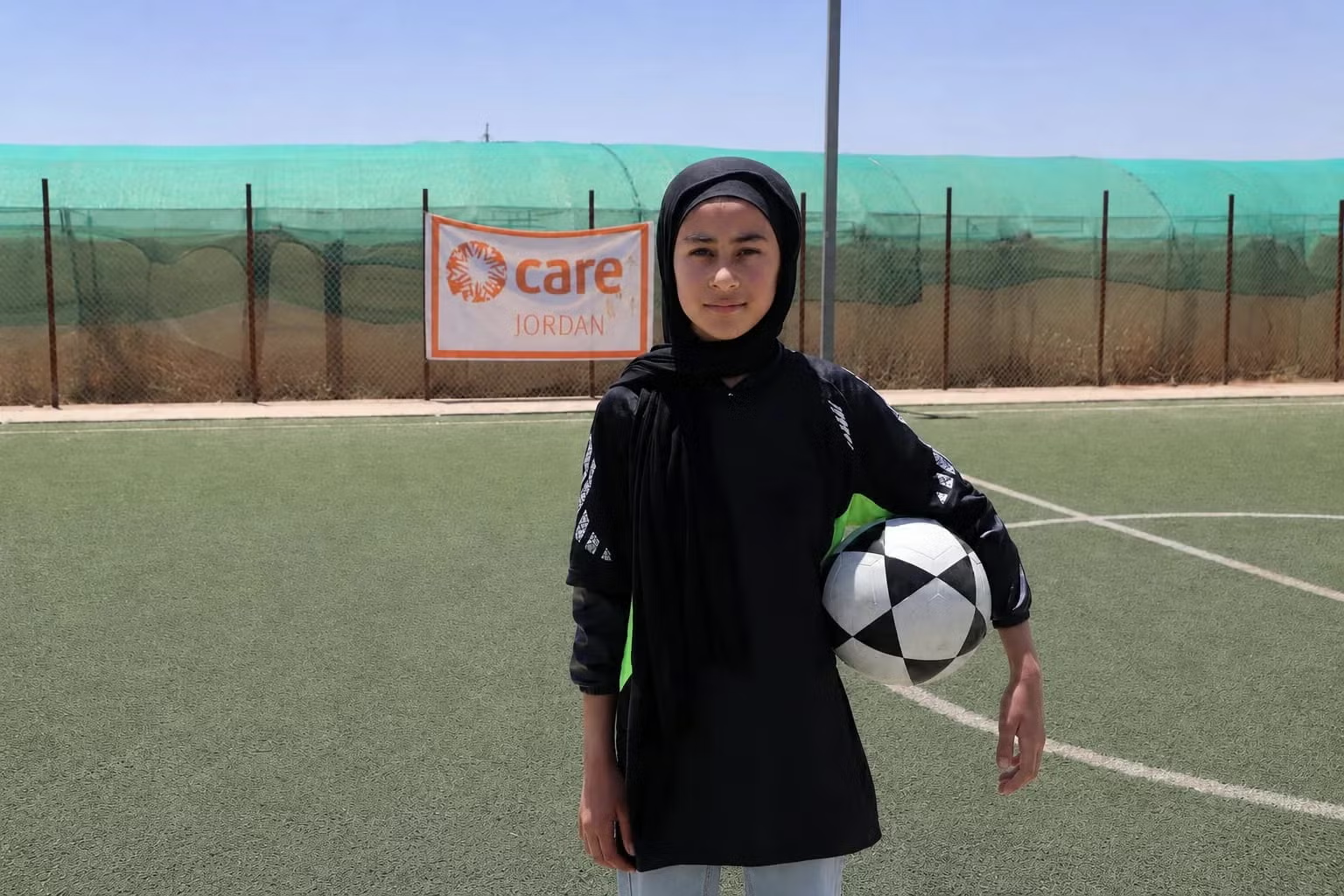
At the heart of CARE Jordan's soccer program at Azraq Camp is Heba Mohammad, a dedicated 24-year-old Syrian refugee who coaches girls in the initiative. Mohammad's role extends far beyond teaching soccer skills; she described herself as "the bridge" for the girls, connecting them to opportunities, confidence, and a sense of belonging. The program currently engages approximately 100 athletes, providing them with a structured and supportive environment for physical activity, skill development, and community engagement. This initiative is part of the broader efforts by CARE International, which operates extensively at the Azraq refugee camp to meet the diverse needs of the close to 35,000 refugees who have fled from Syria. For many of these girls, the soccer program represents a rare chance to participate in organized sports, offering a key outlet for energy, stress relief, and personal growth in a challenging environment.
Mohammad articulated the profound impact the program has on its participants, emphasizing that it offers a new start. "We came here as refugees, and you have to start all over again," she explained, capturing the immense challenge of displacement. She continued, "It helps you overcome that and put your goals in front of you. It’s a new beginning." This sentiment notes the psychological and emotional benefits of the program, which extends beyond physical exercise to foster a sense of purpose and forward momentum. Mohammad further added that the initiative is "helpful and supportive for the girls," stressing the fundamental importance of setting objectives and working towards them. "There’s always a goal that you have to pursue," she stated, instilling in her young athletes a valuable life lesson applicable both on and off the field. The program’s focus on goal-setting and perseverance equips the girls with key life skills that can help them navigate their present circumstances and envision a more hopeful future.
Historically, soccer facilities and programs have often been conceptualized and designed primarily with boys in mind, reflecting traditional gender roles in sports. However, Mohammad observed a significant and welcome shift in this paradigm. "It is built and dedicated for boys, but it’s not the current situation," she noted, indicating a positive change in attitudes and opportunities. She specifically noted the increased encouragement for girls' participation in soccer today, both within the camp and, by extension, in broader society. This growing acceptance and active promotion of girls' involvement in sports is key for challenging stereotypes, promoting gender equality, and ensuring that all children have access to the developmental benefits that sports provide. The sight of girls enthusiastically playing soccer in Azraq Camp is a powerful symbol of progress and the enduring spirit of resilience among the refugee community.
Broader Meaning and Future
The term "Nashama," as previously noted, signifies a constellation of virtues including bravery, honor, courage, and solidarity during challenging periods in Jordan. This cultural resonance imbues the success of the national soccer team with a deeper meaning, especially for communities facing adversity. It represents a collective aspiration for strength and unity. CARE's long-standing commitment to Jordan predates the current refugee crisis by many decades. The organization has maintained a continuous presence in Jordan, supporting communities and addressing humanitarian needs, since 1948. This extensive history of engagement shows CARE's deep roots in the region and its unwavering dedication to the well-being of its inhabitants.
The establishment of the Azraq camp in 2014 and the subsequent influx of Syrian refugees presented new and urgent challenges, which CARE quickly moved to address. The organization’s long-standing engagement, spanning over seven decades, reflects a continuous commitment to humanitarian efforts in the region, adapting its programs to meet evolving needs. From post-World War II recovery efforts to supporting Palestinian refugees and now Syrian refugees, CARE’s presence has been a constant source of aid and development. The integration of sports programs, particularly soccer, into their humanitarian work at Azraq Camp exemplifies an understanding that recovery and resilience involve more than just basic provisions; they also require opportunities for normalcy, joy, and personal development. The sight of girls playing soccer, coached by a fellow refugee, against the backdrop of Jordan's national team heading to the World Cup, creates a powerful narrative of hope, determination, and the enduring human spirit in the face of profound adversity. These programs not only provide an escape from the daily realities of camp life but also build leadership skills, foster teamwork, and empower young individuals to set and achieve goals, contributing to their holistic development and future prospects.