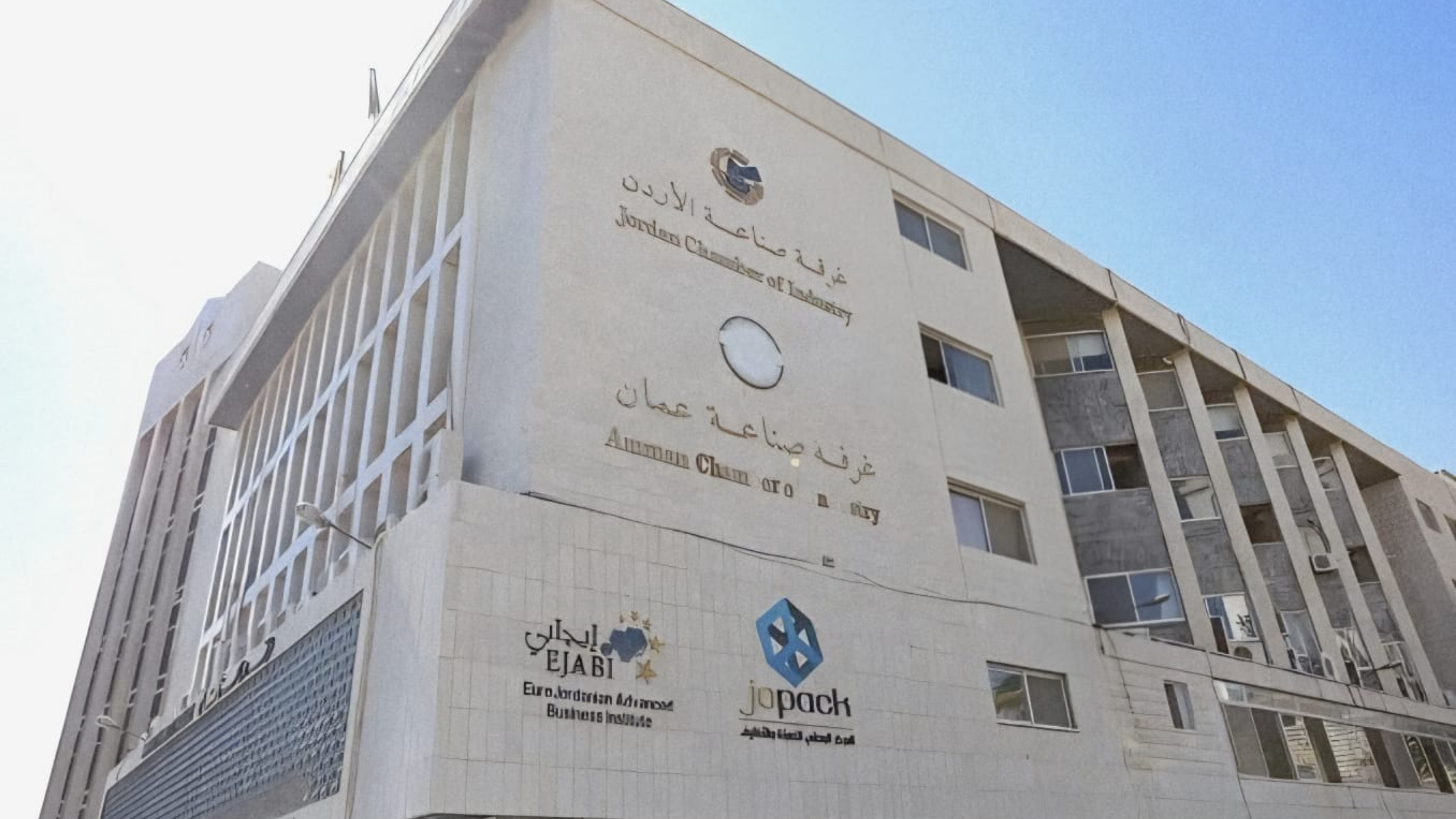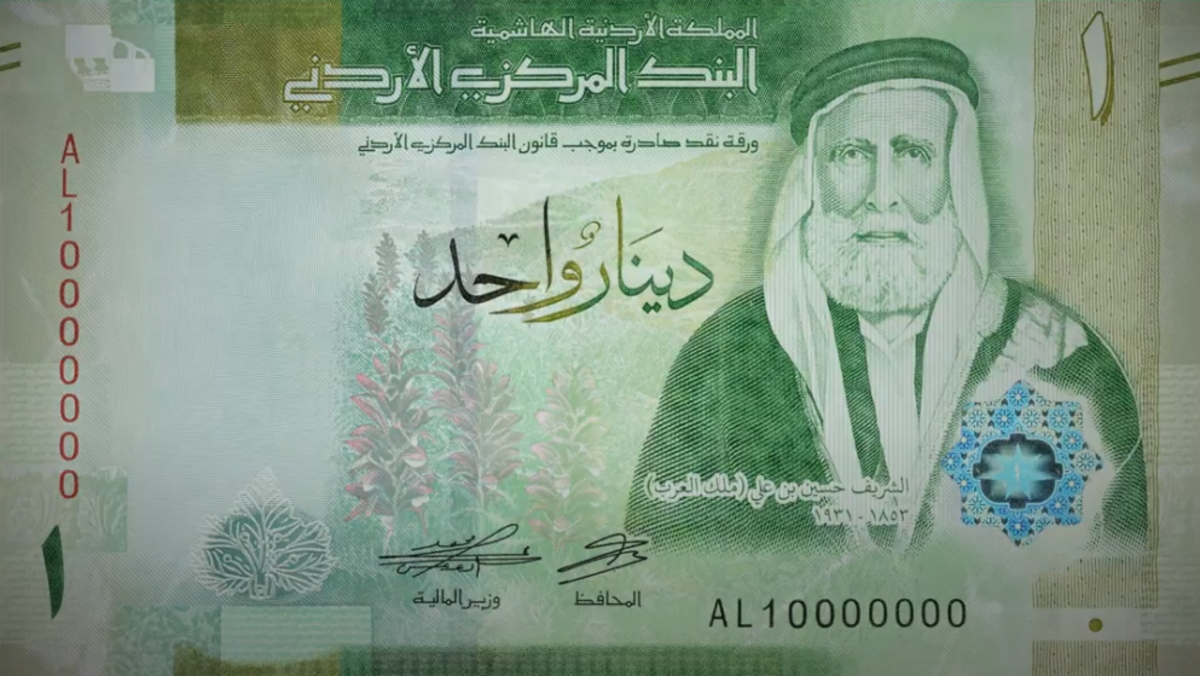
The financial and banking sector at the Jordan Chamber of Commerce (JCC) reported solid demand for the Jordanian Dinar across local exchange companies on June 25, 2026. This increased demand coincided with a significant rise in the country's foreign currency reserves, signaling strong economic health. Foreign currency reserves reflected a $1.7 billion increase compared to the end of the previous year, showing a positive trajectory for Jordan's financial standing.
Drivers of Dinar Demand
Firas Sultan, the financial and banking sector's representative at the Jordan Chamber of Commerce (JCC), attributed the increased demand for the Jordanian Dinar to a rise in domestic economic activity. This trend, he noted, is particularly evident within national exports, which have shown considerable growth. He specifically cited growth in national exports and consistent remittance inflows from Jordanian expatriates working abroad as key factors bolstering the Dinar's strength. These remittances, a vital source of foreign currency, have consistently contributed to the nation's economic stability. Expatriate remittances saw a substantial 13.3% increase during the first four months of the year, reaching a total of $1.6 billion. This significant inflow directly supports the local economy and strengthens the Dinar.
According to Sultan, indicator data suggests that exchange market activity will continue to rise in the coming months. He added that this anticipated growth is strongly linked to the upcoming return of expatriates and visitors from the Arabian Gulf region. Their return is expected to inject further liquidity into the economy, supporting various economic sectors, from tourism to retail, and significantly contributing to the Central Bank's expanding foreign currency reserves. This seasonal influx typically provides a boost to the national economy, reinforcing the positive outlook for the Dinar.
Economic Stability and Outlook
The banking and financial sector views these early-year economic results positively, seeing them as evidence of the national economy's stability and its impressive capacity to adapt to external challenges. This resilience is a testament to sound economic management and strategic planning. The Central Bank of Jordan's continuous efforts in maintaining monetary and banking stability are widely recognized for their key contribution to this favorable economic environment. Their proactive policies have been instrumental in safeguarding the financial system. Further bolstering confidence in the economy is the successful completion of reviews by the International Monetary Fund (IMF), which provides an independent, external validation of Jordan's economic management and its commitment to fiscal discipline. Indicator data suggests that exchange market activity will continue to rise in the coming months, reflecting ongoing economic momentum and a positive sentiment among investors and consumers alike.
Exchange Sector Landscape
Jordan's exchange sector currently encompasses a significant network of 250 companies and branches operating across the country. These entities play a critical role in facilitating financial transactions and currency exchange within the national economy, serving both commercial and individual needs. The sector is also a notable employer, providing employment for approximately 4,000 Jordanian citizens. This workforce supports the daily operations of currency exchange, transfers, and other related financial services, contributing to the overall economic activity and stability. The widespread presence of these companies ensures accessibility and efficiency for individuals and businesses requiring foreign currency services.
Reserves and Positive Indicators
Foreign currency reserves reached a strong $27.2 billion by the end of May, according to official figures. This impressive level of reserves indicates continued strength in Jordan's financial position and provides a substantial buffer against potential economic shocks. The Central Bank's consistent efforts in maintaining monetary and banking stability are widely recognized for their contribution to this environment, ensuring the sustained health of the financial system. Further bolstering confidence in the economy is the successful completion of reviews by the International Monetary Fund (IMF), which provides an external validation of Jordan's prudent economic management and reform efforts. Indicator data suggests that exchange market activity will continue to rise in the coming months, reflecting ongoing economic momentum and a positive outlook for the national currency. The financial and banking sector at the Jordan Chamber of Commerce (JCC) reported solid demand for the Jordanian Dinar across local exchange companies on June 25, 2026, coinciding with the significant rise in the country's foreign currency reserves, reinforcing the narrative of a stable and growing economy.