Japanese Ambassador to Jordan Hideki Asari affirmed on June 25, 2026, that peace and stability in the Middle East are critically important to Japan, characterizing Jordan as an "anchor of stability" in the region. Ambassador Asari emphasized the profound connections between regional security, global supply chains, energy security, and freedom of navigation. "Peace and stability in the Middle East are of critical importance to Japan, given the close links between regional security, global supply chains, energy security, and freedom of navigation, describing Jordan as an 'anchor of stability' in the region," Ambassador Asari stated. This declaration shows Japan's strategic interest in the stability of a region vital to global economic and political landscapes. The ambassador's remarks further noted the intricate web of global dependencies that necessitate a peaceful Middle East for the sustained prosperity of nations worldwide, including Japan.
Diplomatic Address and Regional Importance
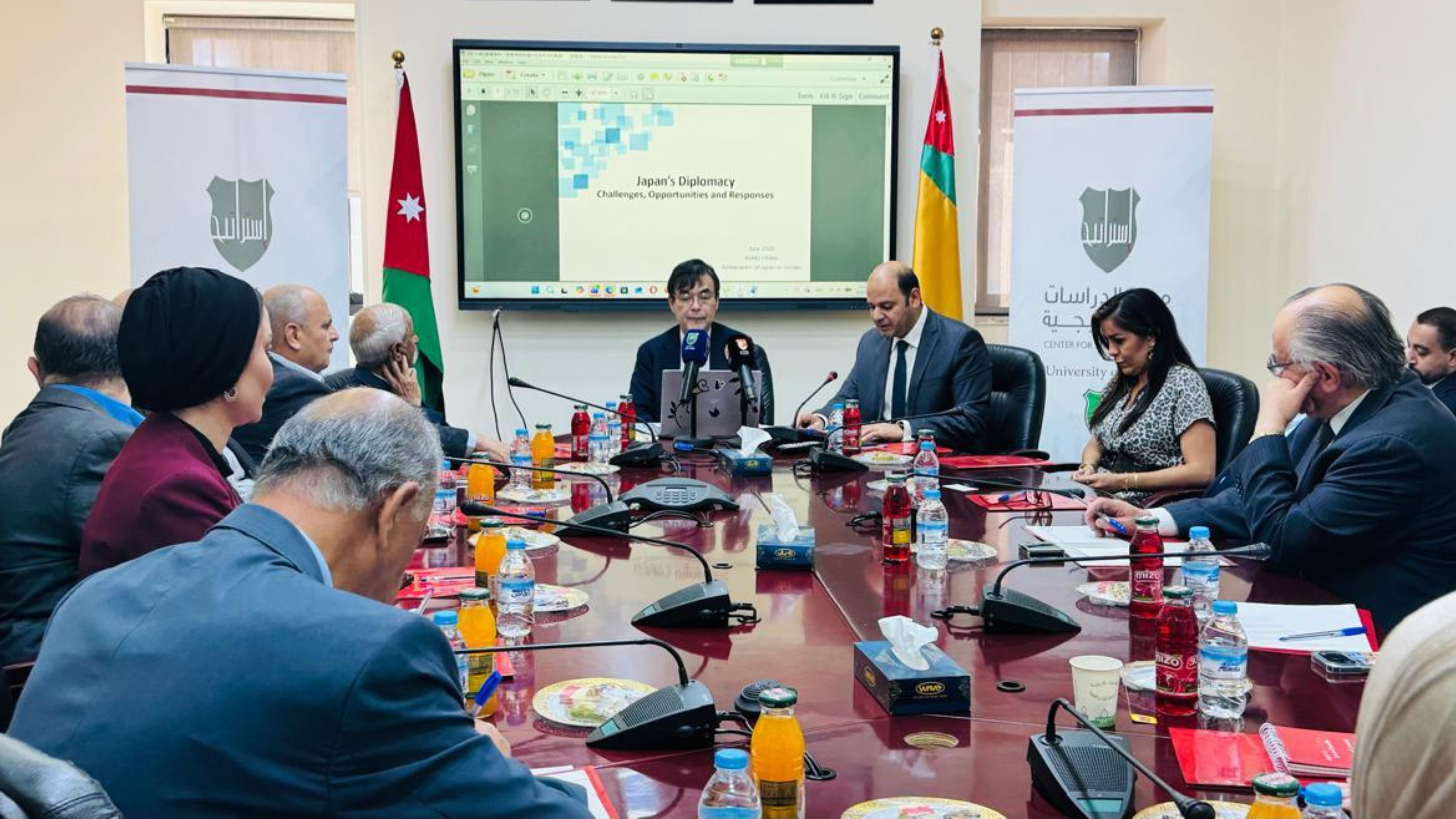
Ambassador Hideki Asari described Jordan as an "anchor of stability" in the Middle East during a recent address. He stated, "Jordan as an 'anchor of stability' in the Middle East." The ambassador's remarks noted the kingdom's key role in regional security dynamics. This significant assessment by a senior Japanese diplomat reflects a deep understanding of Jordan's consistent efforts to promote peace and moderation in a often-turbulent region. The Center for Strategic Studies at the University of Jordan organized the lecture where Ambassador Asari delivered his address. This event provided a platform for diplomatic engagement and emphasized the strong bilateral relationship between Japan and Jordan. The lecture, titled "Japanese Diplomacy: Challenges, Opportunities and Responses," offered a full overview of Japan's foreign policy objectives and its approach to global issues. The discussion showed shared interests in promoting peace and stability across the Middle East. The university-hosted event drew attention to the ongoing efforts by both nations to address regional challenges collaboratively, fostering dialogue and mutual understanding. Ambassador Asari's presence at such an esteemed academic institution further solidified the intellectual and strategic partnership between the two countries, allowing for an in-depth exploration of complex geopolitical issues.
Japan's Commitment to Jordan and Palestine
Japan has provided substantial financial assistance to Jordan and Palestine over several decades, showing its commitment to stability in the region. This long-standing commitment is a cornerstone of Japan's foreign policy in the Middle East, reflecting a belief that economic development and humanitarian aid are key for fostering lasting peace. Since 1974, Japan has extended nearly $4.335 billion in Official Development Assistance (ODA) to Jordan. This extensive financial support has contributed significantly to Jordan's development across various sectors, including infrastructure, education, and healthcare. The ODA has played a vital role in enabling Jordan to manage regional crises, including hosting a large number of refugees, thereby contributing to regional stability. This long-standing support notes the depth of the bilateral relationship and Japan's recognition of Jordan's role in regional affairs as a reliable partner in promoting peace and security. The consistent flow of aid over more than five decades demonstrates Japan's unwavering dedication to Jordan's socio-economic resilience and its capacity to act as a stabilizing force.
Beyond Jordan, Japan has also been a significant donor to Palestine, contributing approximately $2.6 billion in assistance since 1993. This aid reflects Japan's dedication to supporting the Palestinian people and their aspirations for self-determination and improved living conditions. The assistance has been channeled into various critical areas, including humanitarian relief, capacity building, and supporting the Palestinian Authority's efforts to develop essential services. These full assistance packages provided to both entities demonstrate a consistent foreign policy objective aimed at fostering peace and development in the Middle East, recognizing the interconnectedness of stability across the region. Japan's approach emphasizes the importance of human security and sustainable development as pathways to resolving long-standing conflicts.
Broader Diplomatic Strategy and Challenges
Ambassador Asari's address was delivered during a lecture titled "Japanese Diplomacy: Challenges, Opportunities and Responses." This broader context for Japanese foreign policy shows the strategic considerations behind its regional engagements. The lecture explored how Japan navigates a complex global environment, addressing challenges ranging from geopolitical tensions to economic shifts, while identifying opportunities for diplomatic engagement and cooperation. Japan has significantly increased its support to Palestine, providing $410 million in assistance since October 2023. This substantial increase in aid reflects ongoing efforts to address urgent humanitarian needs and promote stability in the Palestinian territories, particularly in light of recent escalations. This rapid response notes Japan's commitment to alleviating suffering and supporting vulnerable populations in crisis zones.
Further demonstrating its commitment, Japan allocated $12.5 million in humanitarian assistance for fiscal year 2025. This funding is channeled through six United Nations agencies, including the United Nations Relief and Works Agency for Palestine Refugees in the Near East (UNRWA), noting a multi-faceted approach to regional challenges. The decision to work through established UN agencies ensures that aid reaches those most in need effectively and efficiently, adhering to international humanitarian principles. Japan's reliance on multilateral channels shows its belief in collective action to address global crises. This strategic allocation of funds reflects a proactive stance by Japan in contributing to global stability and humanitarian relief efforts, reinforcing its image as a responsible international actor. The article detailing these commitments was published at 19:10:01.