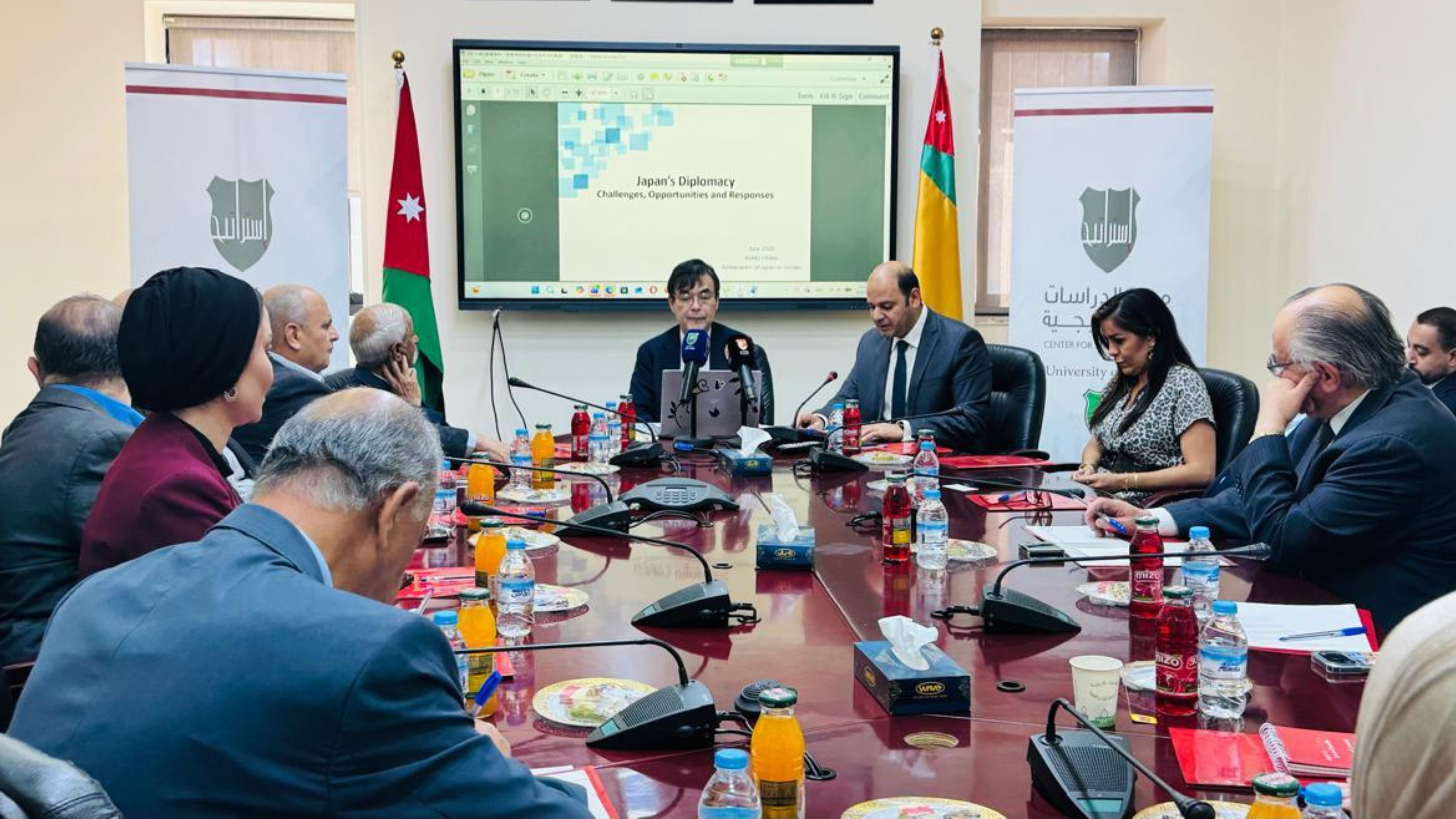
Jordan’s agricultural sector faces significant difficulties due to its inherent limitations, including scarce natural resources and challenging climatic conditions. These environmental pressures necessitate the adoption of innovative and sustainable agricultural practices. In this context, biopesticides emerge as a key component, offering targeted pest control solutions that can support the preservation of beneficial organisms and the broader environment. Derived from natural sources, biopesticides present a viable alternative to conventional chemical treatments, aligning with Jordan's commitment to ecological balance and agricultural resilience. These innovative solutions were a central topic during recent workshops held across Jordan, where more than 140 agricultural professionals from the country participated. The extensive attendance showed the growing interest and urgent need for sustainable pest management strategies within the nation. Discussions at these events focused intently on integrating biopesticides into full crop protection programs. Key methods for this integration included the implementation of sound agronomic practices, enhancing technical expertise among agricultural professionals, launching strong farmer education initiatives, and promoting informed decision-making among all agricultural stakeholders. Such efforts are vital for fostering a sustainable agricultural future in Jordan.
Jordan's Agricultural Landscape
Jordan has established a solid foundation for advancing sustainable agriculture, a strategic necessity given its environmental constraints. This progress is showed by active engagement from various sectors within the country, noting a truly collaborative national effort. Government institutions, academia, industry, and extension services are all contributing significantly to the development and implementation of sustainable agricultural practices. Their collaborative efforts aim to integrate solutions like biopesticides into broader agricultural strategies, supporting not only environmental preservation but also long-term food security for the nation. This multi-stakeholder approach is central to Jordan's ongoing initiatives to overcome the resource limitations and climatic challenges that profoundly affect its agricultural sector. The commitment to these practices is not merely theoretical; it is being translated into tangible actions and educational programs designed to equip the agricultural community with the tools and knowledge needed for a more sustainable future.
The Role of Biopesticides
Biopesticides are fundamentally derived from natural sources, including a diverse range of microorganisms and plant-based materials. This origin distinguishes them from synthetic chemical pesticides, offering an environmentally friendlier alternative for pest management. Their greatest value is realized when they are integrated into full Integrated Pest Management (IPM) programs, working in conjunction with cultural, biological, and conventional crop protection measures. This synergistic approach ensures that pest control is both effective and sustainable, minimizing negative impacts on the ecosystem. Stakeholders across Jordan are increasingly recognizing the significant potential contribution of biopesticides to integrated pest management and sustainable crop production. This growing attention notes a collective understanding of their role in fostering ecological balance while ensuring agricultural productivity.
The momentum observed within Jordan demonstrates a growing commitment to sustainable crop protection and agricultural innovation. This commitment aligns with the understanding that biopesticides can become a more valuable component of Jordan's IPM approach, offering targeted solutions that reduce reliance on harsher chemical inputs. Abdelmoneim Bakr, Regional Director MENA for CropLife Africa Middle East, articulated this vision, stating, "Through continued collaboration and investment in knowledge and technical capacity, biopesticides can become an increasingly valuable component of Jordan’s IPM approach, helping farmers address current challenges while supporting the long-term sustainability of the agricultural sector." This expert perspective shows the critical need for ongoing support and development to fully integrate biopesticides into mainstream agricultural practices, ensuring their effective and widespread adoption. The benefits extend beyond immediate pest control, contributing to soil health, biodiversity, and the overall resilience of agricultural systems.
Capacity Building Initiatives
CropLife Africa Middle East (CLAME), in strong collaboration with the Jordanian Ministry of Agriculture (MoA), the Jordanian Association of Agricultural Inputs Traders and Producers (AMATPA), and a cadre of national experts, has actively supported technical dialogues and capacity-building initiatives specifically focused on biopesticides. These concerted efforts aim to significantly enhance understanding and facilitate the widespread adoption of sustainable agricultural practices within Jordan. As part of these key initiatives, four technical workshops were meticulously conducted in various key agricultural regions: Amman, Deir Alla, and Ghour Al-Mazraah. These workshops took place during November and December 2025, strategically timed to maximize engagement and knowledge transfer.
The workshops included a diverse and representative group of participants drawn from various agricultural sectors, reflecting the broad interest and necessity for integrated solutions. Attendees comprised experienced extension engineers, specialized pesticide registration specialists, vigilant surveillance officers, careful laboratory personnel, dedicated researchers, and influential private-sector representatives. The extensive and varied participation showed the broad interest in integrating biopesticide solutions into Jordan's agricultural framework, indicating a collective desire for progress. These participants engaged in in-depth discussions, sharing insights and learning about the practical applications and benefits of biopesticides. Continued dialogue, capacity building, and knowledge sharing are considered important for equipping farmers and professionals to use biopesticides effectively, according to reports from the events. This ongoing support is key for translating theoretical knowledge into practical, on-the-ground application, ensuring that the agricultural community is well-prepared to implement these sustainable practices.
Abdelmoneim Bakr, Regional Director MENA for CropLife Africa Middle East, further emphasized the long-term commitment required, stating that "Continued dialogue, capacity building, and knowledge sharing will be important to ensure that farmers and agricultural professionals are equipped to make informed decisions regarding their effective use." This perspective notes the strategic, long-term commitment necessary to transition agricultural practices towards greater sustainability. While the benefits of biopesticides are clear, their broader integration into crop protection programs is expected to take time, reflecting the need for sustained educational and practical support. The workshops served as a foundational step, providing essential training on sound agronomic practices, enhancing technical expertise, and fostering farmer education. This full approach is designed to empower agricultural professionals and farmers alike, enabling them to make informed decisions that benefit both their yields and the environment. Through these dedicated efforts, Jordan is steadily building a more resilient and environmentally conscious agricultural sector, poised to face future challenges with innovative, natural solutions.