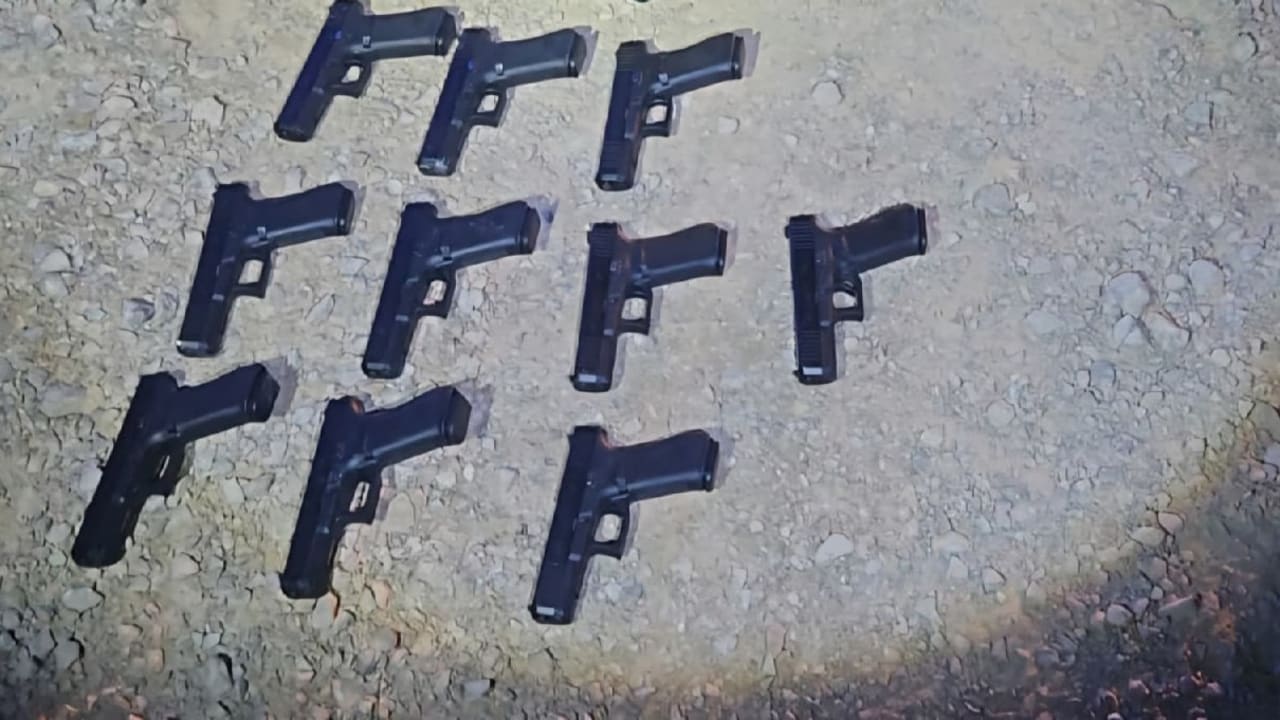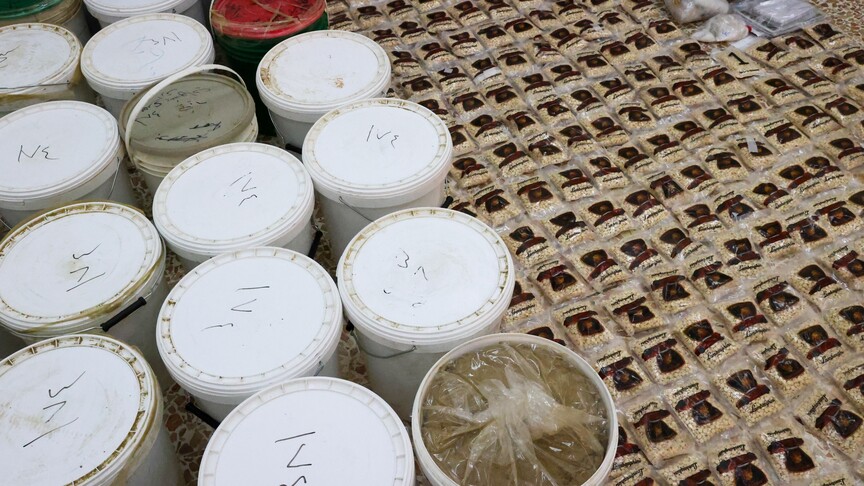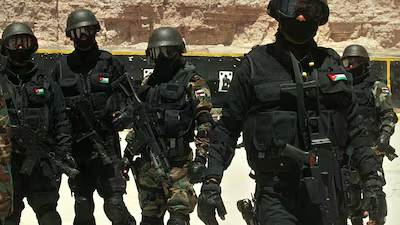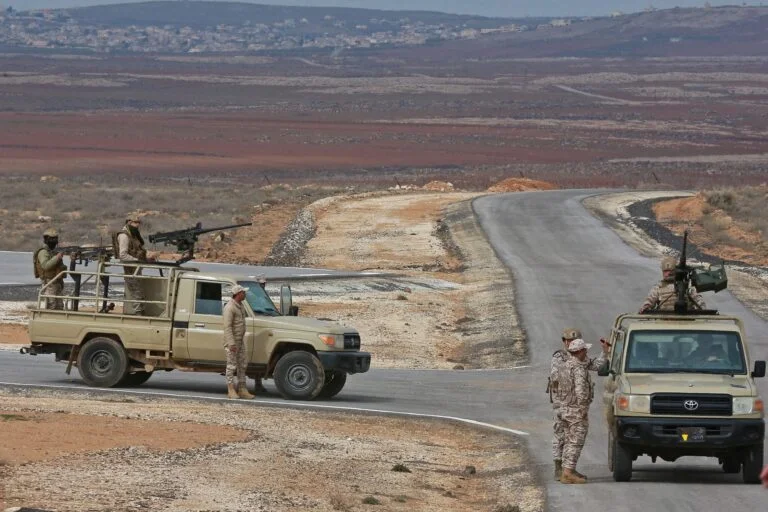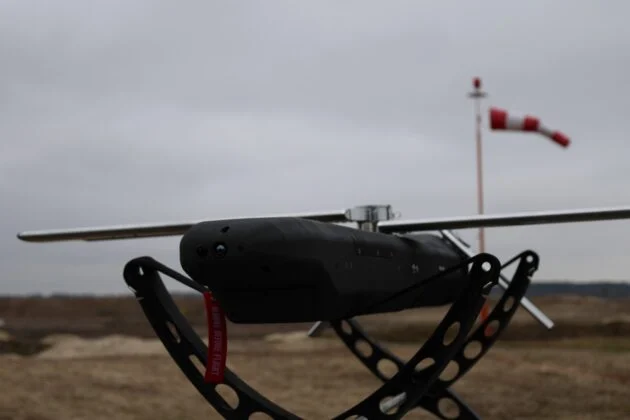
Jordanian forces carried out a series of strikes on Sunday, targeting multiple locations used by arms and drug traffickers in the Druze-majority Syrian province of Sweida. The operations focused on sites along the Kingdom's northern border, as announced by the Jordanian military and Syrian state media. This wave of strikes represents a concerted effort to curb illicit activities along the shared frontier. Aircraft, believed to be Jordanian, struck at least five locations within Suwayda province, including the town of Shahba, warehouses in the Syrian town of Arman, and other storage sites near rural areas south and southeast of Suwayda. The strikes aimed to disrupt smuggling networks operating across the border, which have posed a persistent challenge to regional security.
Targets and Tactics Detailed
The operation specifically targeted factories, workshops, and warehouses utilized by smuggling groups. These facilities served as staging points for illicit activities, including the trafficking of narcotics and weapons intended for Jordanian territory. The sites were identified through a combination of intelligence gathering and continuous operational monitoring. Jordanian authorities have emphasized that these targeted actions are key for maintaining national security and preventing the flow of illegal goods into the Kingdom. The precision of these strikes shows the intelligence capabilities employed by Jordanian forces in their ongoing campaign against cross-border criminal organizations.
Jordan has experienced a notable increase in smuggling attempts along its northern frontier in recent months. Smuggling attempts along the northern frontier have increased significantly in recent months, prompting a more strong response from Jordanian authorities. The kingdom has faced repeated efforts to smuggle weapons and narcotics across its northern border, a persistent issue throughout years of instability in neighboring Syria. These repeated attempts highlight the scale of the challenge and the determination of criminal networks to exploit the porous border. The continuous nature of these threats necessitates proactive measures to safeguard Jordan's borders and its population from the dangers associated with illicit trade.
Syria's Role in Regional Trafficking
International assessments, including those from the UK government, have previously indicated that Syria under the former Assad government played a significant role in the global production and trafficking of captagon. This amphetamine-type stimulant is widely smuggled across the region, generating substantial illicit revenue. Jordanian officials have consistently warned that ongoing instability along Syria’s southern border presents a direct security threat, particularly due to organized smuggling networks operating in fragmented and remote terrain. These networks exploit the difficult landscape to move illicit goods, making interdiction efforts particularly challenging. The complex topography of the border region provides cover for these operations, allowing smugglers to establish routes and temporary storage facilities away from immediate detection.
Some experts estimate that as much as 80% of the world’s supply of the amphetamine-like stimulant originates from Syria. This high percentage shows the scale of production within the country, which has flourished amidst the prolonged conflict. The captagon trade has become a major source of revenue for various groups operating in Syria, contributing to the challenges faced by neighboring countries like Jordan. The drug's widespread availability and the sophisticated networks used for its distribution are central to the security concerns expressed by Jordanian authorities, who view the trade as a destabilizing force in the region. The economic incentives for engaging in this illicit trade are substantial, attracting a wide array of actors, from local militias to organized crime syndicates. This makes the task of dismantling these networks even more complex and critical for regional stability.
Jordan's Stance and Syrian Efforts
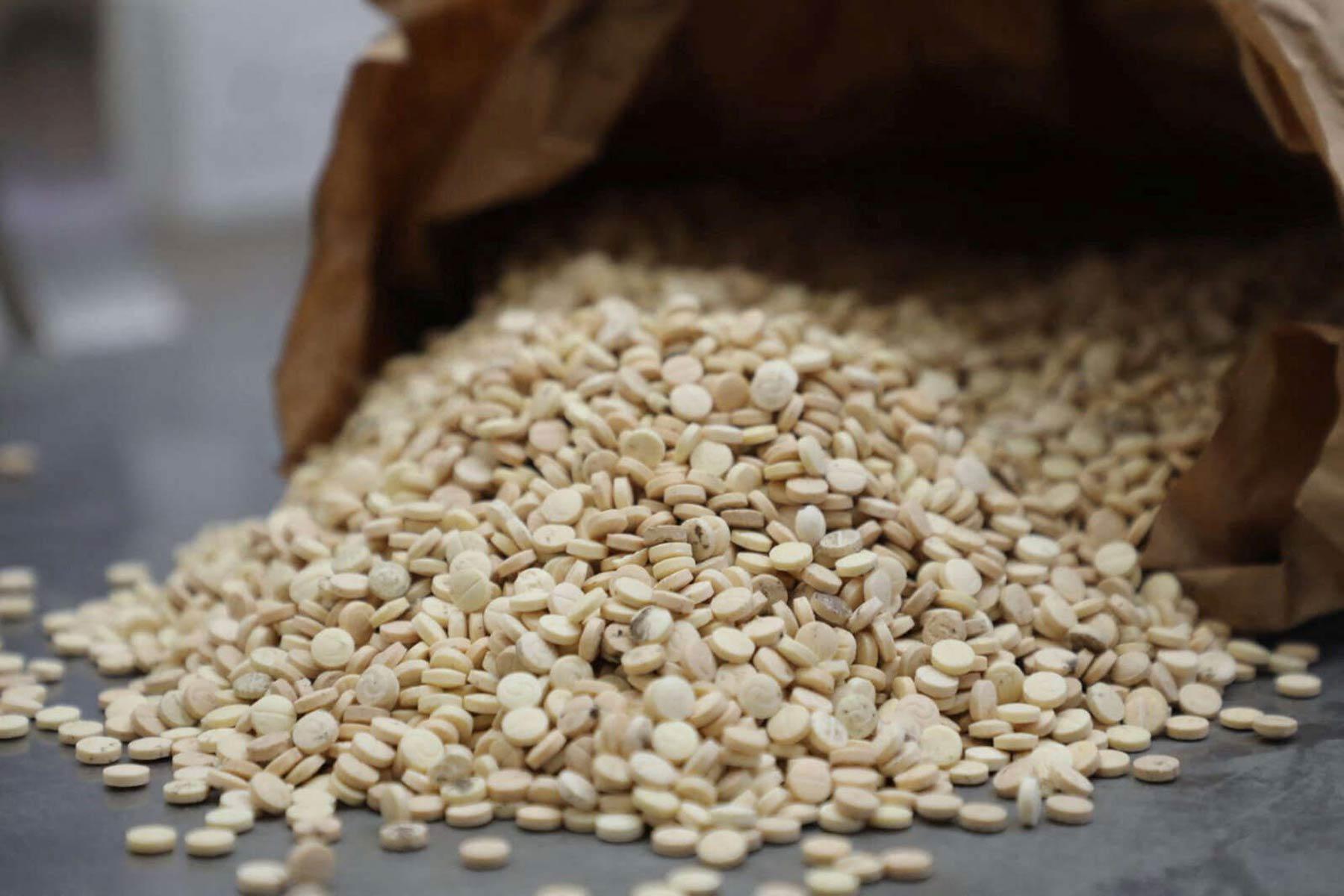
The Jordanian military has previously conducted strikes targeting drug smugglers operating within Syria. These prior operations demonstrate a consistent policy of confronting cross-border threats directly. Following the fall of Bashar al-Assad in late 2024 and the establishment of a transitional administration, Syria's new authorities have committed to dismantling the drug trade networks that expanded during the conflict. This pledge signals a potential shift in approach from the Syrian side, which Jordan hopes will lead to more effective cooperation in combating smuggling. In a related development, Syria's Interior Ministry announced on Saturday that its anti-narcotics department had dismantled a smuggling network and destroyed several drug manufacturing facilities situated near Lebanon's border. The ministry reported seizing nearly a million Captagon pills and one kilogram of hashish during this operation, indicating active efforts by the transitional government to curb illicit drug activities. These recent actions by the Syrian authorities, particularly the dismantling of manufacturing facilities and the seizure of significant quantities of narcotics, are seen by observers as a key step towards addressing the root causes of the drug trade that has plagued the region.