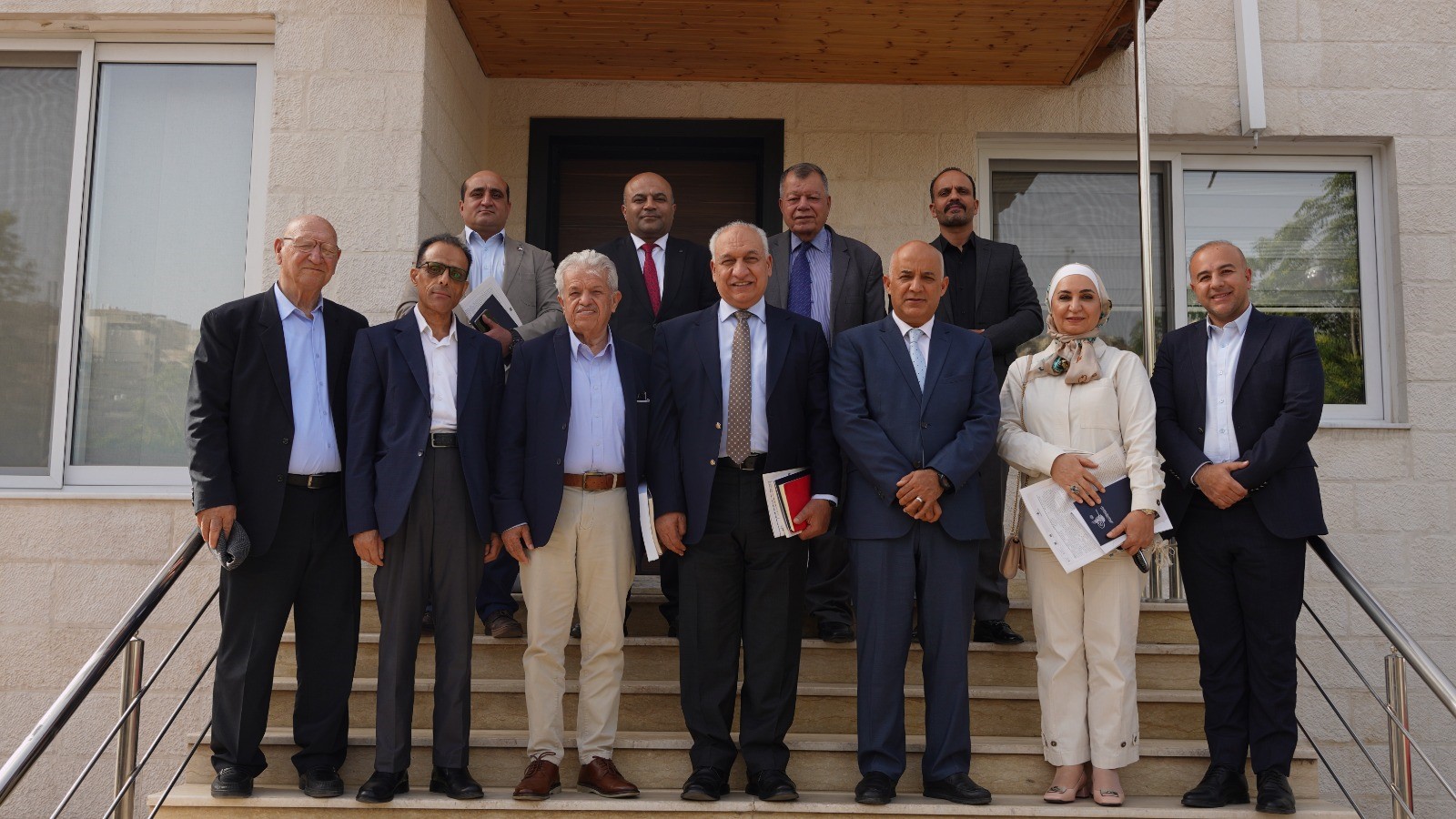
The Jordan Phosphate Mines Company (JPMC) approved several expansion projects both within Jordan and internationally, according to a report published on Monday. The company's decision follows a surge in profits, enabling investments in new ventures designed to enhance its operational capabilities and market reach. These substantial projects, both inside and outside Jordan, are buoyed by the significant financial performance JPMC has experienced in recent years. The strategic move shows the company's commitment to strengthening its global presence and diversifying its product portfolio.
Major Expansion Projects Approved
The Jordan Phosphate Mines Company plans to establish an industrial complex for the production of phosphoric acid and specialized phosphate fertilizers. This ambitious project will be undertaken in partnership with the Arab Potash Company, a collaboration expected to leverage the expertise of both entities. The estimated cost for this industrial complex is $600 million, representing a substantial investment in advanced fertilizer production. This complex is designed to meet growing market demands for specialized agricultural inputs, enhancing Jordan's position as a key supplier in the global fertilizer market. The partnership with the Arab Potash Company notes a collaborative approach to industrial development within the region.
Additionally, the company is moving forward with the Jordanian-Turkish Fertiliser Company, which will focus on producing phosphoric acid in Aqaba. This new venture is a strategic partnership with the Turkish company Transept, aiming to combine Jordanian raw materials with Turkish industrial expertise. The project associated with the Jordanian-Turkish Fertiliser Company represents an investment of $500 million, signaling a significant commitment to expanding phosphoric acid production capabilities. The selection of Aqaba as the site for this facility capitalizes on its port infrastructure, facilitating efficient export operations.
Jordan Phosphate Mines Company will also expand the production capacity of its subsidiary, Indo-Jordan Chemicals (IJC). The phosphoric acid plant at IJC will see its daily production capacity increased significantly, from 900 tonnes to 1,500 tonnes. This 66% increase in capacity is a direct response to rising demand and aims to optimize existing operational efficiencies. As part of this expansion, a new sulphuric acid unit with a capacity of 2,300 tonnes per day will be established. This new unit is key for supporting the increased phosphoric acid production, as sulphuric acid is a key raw material in the process. The combined cost for increasing IJC's phosphoric acid capacity and constructing the new sulphuric acid unit is estimated at $250 million, reflecting a substantial investment in upgrading and expanding existing facilities.
Further investments include new phosphate storage facilities in Aqaba, costing $100 million. These facilities are designed to significantly increase the port's capacity for handling phosphate exports. The company also allocated $40 million for building new ammonia tanks at Aqaba port, which will support the logistics for various fertilizer production processes. These infrastructure improvements are vital for streamlining the supply chain and enhancing the overall efficiency of JPMC's export operations.
Profit Surge Fuels Expansion
The Jordan Phosphate Mines Company's (JPMC) recent project approvals are underpinned by a significant increase in its profits over the past years. This strong financial performance has provided the company with the capital necessary to pursue its ambitious expansion plans, both domestically and internationally. The surge in profitability has enabled JPMC to commit substantial investments to diversify its production capabilities and strengthen its market position. These investments include the establishment of new industrial complexes and the expansion of existing facilities, demonstrating a direct correlation between the company's financial success and its strategic growth initiatives. The increased profits have allowed JPMC to fund projects such as the phosphoric acid and specialized phosphate fertilizers complex with the Arab Potash Company, the Jordanian-Turkish Fertiliser Company, and the capacity expansion of Indo-Jordan Chemicals. The financial health reported by the company has been a key factor in moving forward with these multi-million dollar ventures, ensuring that these large-scale developments are financially viable and sustainable. The sustained profitability has created a strong foundation for future growth and market leadership.
Strategic Partnerships and Infrastructure
The Jordanian-Turkish Fertiliser Company will be established in partnership with the Turkish company Transept. This collaboration aims to enhance production capabilities and extend the reach of the Jordan Phosphate Mines Company into new markets. The strategic alliance is expected to bring together complementary strengths, fostering innovation and efficiency in phosphoric acid production. This international partnership exemplifies JPMC's strategy to engage with global partners to achieve its expansion goals.
Construction of new phosphate storage facilities is also planned for Aqaba, which will increase the port's storage capacity by 150,000 tonnes. This significant expansion of storage capacity is part of a broader strategy to streamline logistics and improve efficiency for exports, ensuring that JPMC can handle larger volumes of product more effectively. The new facilities will enhance the throughput capabilities of the port, reducing potential bottlenecks in the export pipeline.
Additionally, new ammonia tanks will be built in Aqaba port. These infrastructure developments are designed to support the increased production and export volumes anticipated from the various expansion projects undertaken by the company. The investments in Aqaba's port facilities reflect a commitment to strengthening Jordan's position in the global fertilizer market by ensuring strong and efficient logistical support for its expanded operations. These enhancements are critical for maintaining competitive shipping costs and reliable delivery schedules for international clients. The focus on Aqaba shows its strategic importance as a gateway for Jordanian exports.
Anticipated Financial Impact
The approved expansion projects are projected to significantly boost the Jordan Phosphate Mines Company's financial performance. Upon commencement of production, the initiatives are expected to increase the company's sales volume by nearly $1 billion. This substantial increase in revenue is a direct result of the expanded production capacities and diversified product offerings. Simultaneously, these projects are anticipated to raise profits by $200 million, reflecting improved operational efficiencies and economies of scale. The company aims for these significant financial gains to materialize once the new facilities and expanded operations are fully operational, marking a new era of growth and profitability for JPMC. These financial projections highlight the strategic importance of these investments for the company's long-term sustainability and market leadership.