Jordan is systematically shifting its macroeconomic policy to integrate human rights metrics directly into its corporate governance frameworks. This full move aims to transition the country from basic conceptual awareness of the UN Guiding Principles on Business and Human Rights (UNGPs) to practical field implementation. The state has initiated a full National Baseline Assessment (NBA) as part of this extensive effort to operationalize human rights principles within its economic activities. The article detailing these significant developments was published on May 18, 2026. This strategic shift aligns with Jordan's broader political, economic, and public sector modernization strategies, demonstrating a holistic commitment to progressive governance.
National Push for Responsible Investment
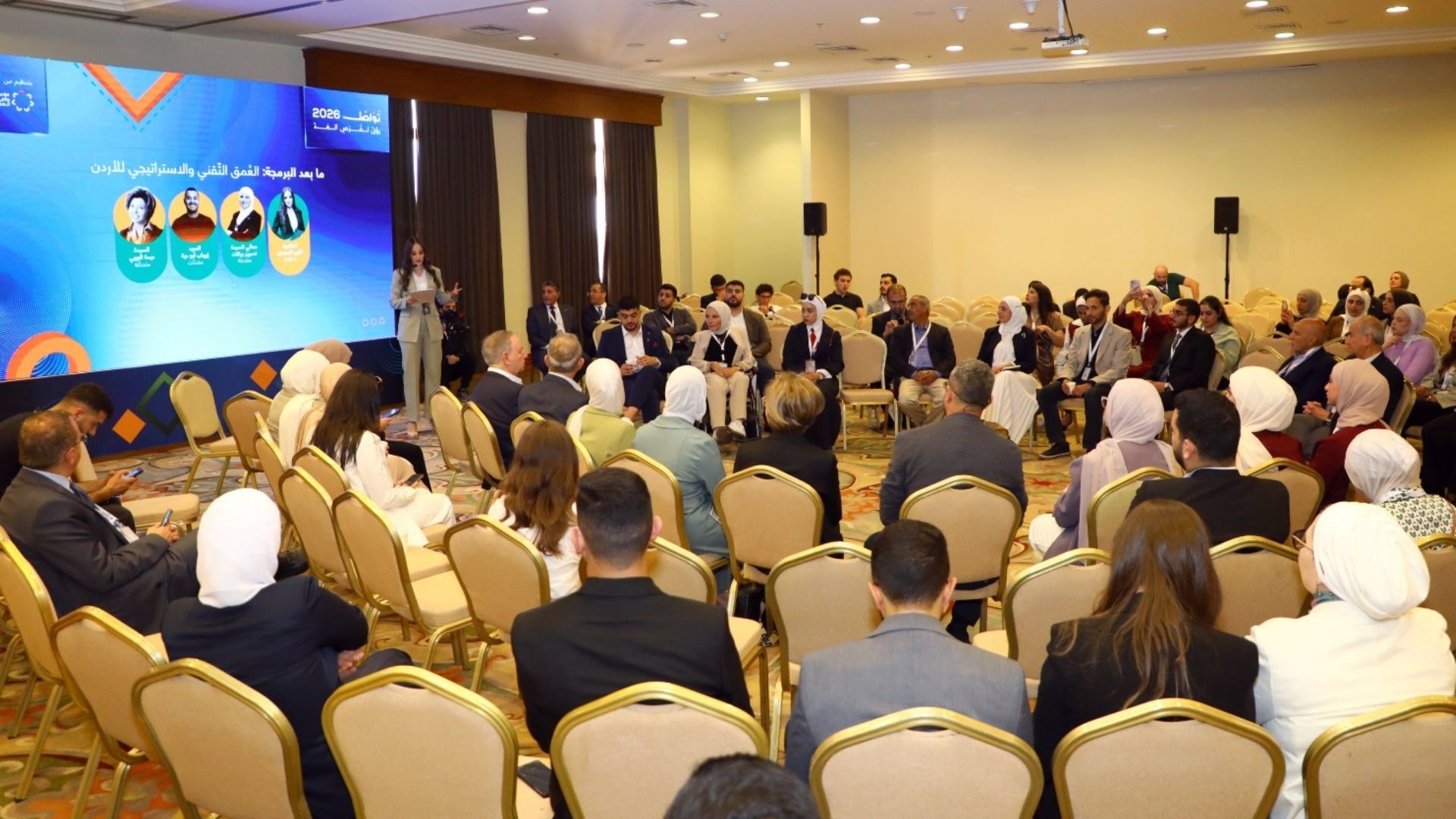
A national consultative forum was recently convened by the National Centre for Human Rights (NCHR) in coordination with the United Nations Development Programme (UNDP). This initiative is a key part of Jordan's broader effort to embed human rights considerations into its investment frameworks and foster a more equitable economic environment. The operational objective of the consultation is to transition Jordan from basic conceptual awareness of the UNGPs to practical field implementation, ensuring that policies translate into tangible improvements on the ground. The forum focused on critical areas such as enforcing decent work standards across industries, a fundamental aspect of human rights in the workplace. It also aimed to guarantee the integration of women, youth, and persons with disabilities into the formal economy, ensuring their equitable participation in economic growth and fostering inclusive development.
Technical proceedings during the forum included a thorough evaluation of Jordan's domestic statutory framework. This assessment sought to measure the framework against established international compliance standards for human rights, identifying areas for improvement and alignment. The proceedings further analyzed the mechanics of corporate due diligence, a key component for responsible business practices that requires companies to identify, prevent, mitigate, and account for how they address their adverse human rights impacts. Supply-chain accountability was also tracked, alongside defending the right to a clean environment, recognizing the interconnectedness of environmental protection and human rights. Additionally, the private sector's adherence to equity mandates was audited to ensure fair treatment and opportunities for all, promoting non-discrimination and equality in business operations.
The National Baseline Assessment (NBA) serves as an analytical instrument critical to this process. It is designed to map legislative gaps within Jordan's current legal framework, noting where new laws or amendments may be needed to better protect human rights. The NBA also identifies field-level operational variances, noting discrepancies between policy and practice in human rights implementation, thereby pinpointing areas requiring practical intervention. This full approach shows Jordan's commitment to aligning its economic development with international human rights principles and ensuring strong implementation across all sectors.
Foundations for Corporate Accountability
The National Baseline Assessment (NBA) operationalizes the three core pillars of the UN Guiding Principles on Business and Human Rights (UNGPs). These pillars include the state duty to protect through regulatory enforcement, ensuring that governments enact and enforce laws to prevent human rights abuses by businesses. It also encompasses the corporate responsibility to respect via rigorous human rights due diligence (HRDD), obliging businesses to proactively assess and address their human rights impacts. Finally, it covers the provision of effective judicial and non-judicial remedy mechanisms, ensuring that victims of business-related human rights abuses have access to redress. The United Nations Development Programme (UNDP) is offering support for the Kingdom's sustainable development pathways, which are mapped to the 2022–2033 Economic Modernization Vision execution timeline, providing a long-term framework for these initiatives.
The UNDP is also funding institutional capacity-building programs within the National Centre for Human Rights (NCHR). These programs aim to upgrade human rights advocacy, enhancing the NCHR's ability to promote and defend human rights. They also seek to optimize data transparency, ensuring that information related to human rights performance is accessible and verifiable. These programs facilitate structured multilateral dialogue within the NCHR, fostering collaboration and shared learning among stakeholders. Diana Jmeizat, Senior Program Coordinator at the UNDP, provided a briefing outlining global UNGP standards. This briefing detailed the international benchmarks for responsible business conduct and human rights integration, offering key guidance for Jordan's national efforts.
Jordan participated in the 2024 Inaugural Dialogue on Business and Human Rights, which took place in Doha. This participation reflects Jordan's engagement with international discussions on integrating human rights into economic activities and corporate frameworks, demonstrating its commitment to global best practices. The dialogue served as a platform for sharing experiences and best practices among nations committed to advancing business and human rights principles, allowing Jordan to learn from and contribute to the global discourse. The country's involvement in such forums aligns with its stated goal of moving towards practical UNGP implementation and solidifying its position as a responsible economic actor.
International Engagement and Future Outlook
Jordan's strategic shift in integrating human rights into investment frameworks aligns with its broader political, economic, and public sector modernization strategies. This full approach aims to position the country's Economic Modernization Vision as a regional hub for socially responsible investment (SRI) and environmental, social, and governance (ESG) compliance, attracting investments that align with sustainable development goals. This establishes a foundational framework for Jordan’s upcoming National Action Plan (NAP) on Business and Human Rights, which is intended to institutionalize corporate accountability and provide a clear roadmap for implementation.
The country's commitment to these principles was further demonstrated during a recent panel discussion which evaluated access to remedy mechanisms. Participants discussed the Ministry of Justice’s role in accelerating judicial recourse, ensuring that legal avenues for redress are efficient and accessible. They also explored civil society's capacity for monitoring human rights practices, recognizing the vital role non-governmental organizations play in oversight and advocacy. Additionally, the discussion examined the deployment of non-judicial alternative dispute resolution (ADR) tools, offering diverse pathways for resolving grievances outside traditional court systems. This focus on practical remedies shows a full approach to human rights implementation, addressing both prevention and redress.
Looking ahead, Jordan is set to host the Third Regional Dialogue on Business and Human Rights in the Arab States. The event is scheduled to take place in Amman on June 17–18, 2026, indicating the nation's continued engagement in regional discussions on these critical issues and its leadership role in promoting business and human rights in the Middle East. This upcoming dialogue will further solidify Jordan's commitment to fostering a regional environment where economic development goes hand-in-hand with human rights protection.