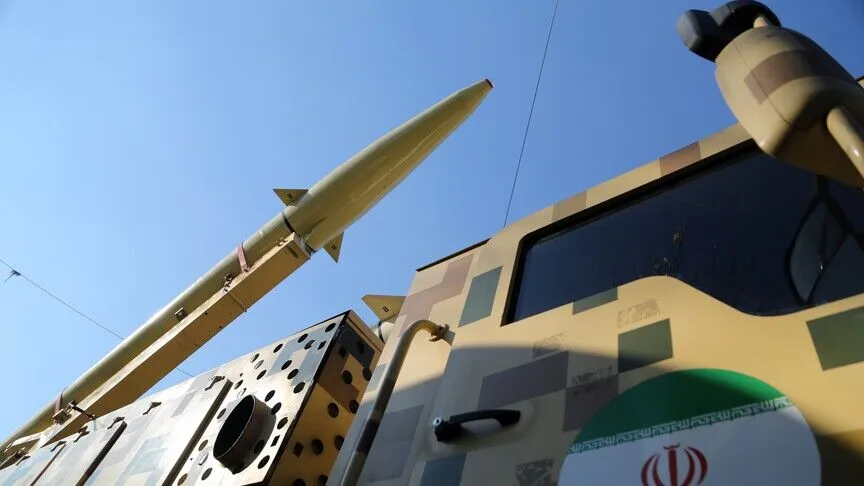
Jordan announced Wednesday its military intercepted and shot down three missiles launched by Iran, which were reportedly targeting the kingdom. The incident occurred as the missiles traversed Jordanian airspace, marking a significant escalation in regional tensions. The government stated that the interceptions were a defensive measure to protect its territory and population from the incoming projectiles. This decisive action shows Jordan's commitment to safeguarding its national security and the well-being of its citizens against external threats. The interception notes the volatile security landscape in the Middle East, where such incidents can rapidly heighten regional instability.
Official Statement Details
Jordan’s military issued an official statement on Wednesday, July 14, 2026, confirming the interception of Iranian missiles. The announcement was made via the kingdom’s state-run Petra news agency, a primary source for official government communications in Jordan. The statement detailed the actions taken by Jordanian forces to prevent the missiles from reaching their intended targets within the kingdom. It specified that the three missiles were successfully engaged and neutralized within Jordanian airspace. This pre-emptive action was key in averting potential damage and casualties within the kingdom's borders. The move showed Jordan's unwavering commitment to protecting its sovereign airspace and population against any aggression. The Petra news agency disseminated the information to both domestic and international audiences, ensuring transparency regarding the defensive operation. The detailed account provided by the military through Petra aimed to clarify the circumstances surrounding the aerial engagement and reassure the public of the military's vigilance and capability.
Context: US Blockade Rationale
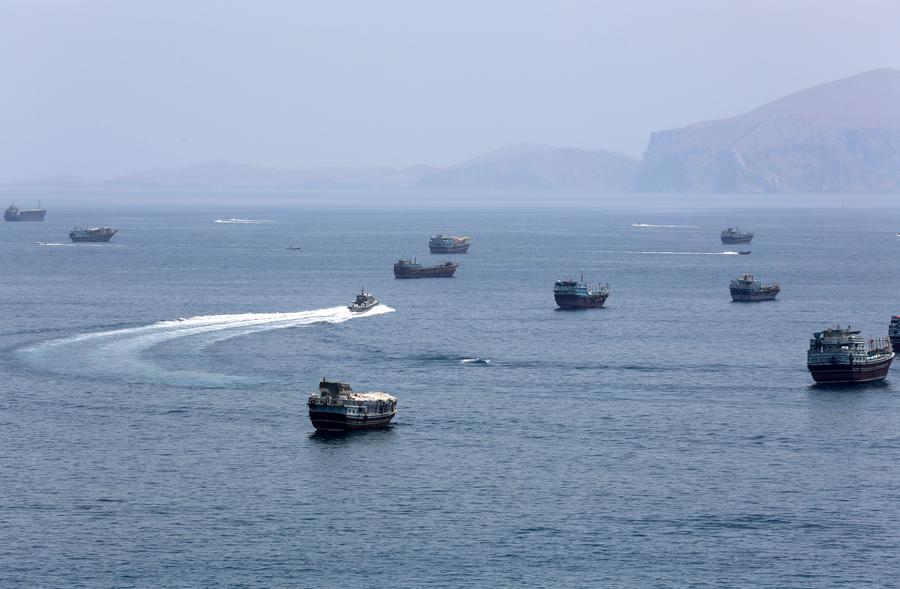
The Iranian attack on Jordan comes as the U.S. Reimposed a naval blockade on the Islamic Republic, adding another layer of complexity to the already strained regional dynamics. This U.S. Blockade is specifically over Iran’s attacks on ships trying to travel through the Strait of Hormuz. The re-establishment of the blockade signifies a strong international response to what the U.S. Perceives as persistent threats to maritime navigation and global trade. The U.S. Has consistently maintained that freedom of navigation in international waters is critical and will act to protect it.
Regional Tensions Escalating
The U.S. Naval blockade has been implemented in response to Iran's attacks on vessels attempting to navigate through the Strait of Hormuz. These actions by Iran have prompted significant concerns regarding maritime security in a critical international shipping lane. The Strait of Hormuz, a narrow waterway situated between the Persian Gulf and the Gulf of Oman, is vitally important for global oil shipments, with a substantial portion of the world's crude oil passing through it daily. Disruptions in this strategic choke point have broad implications for global energy markets and international commerce. The blockade aims to deter further attacks and ensure the safe passage of commercial and military ships in the region, thereby upholding international maritime law and stability. The re-imposition of such a significant measure by the U.S. Shows the gravity of Iran's actions and the international community's resolve to address them. The incident involving Iranian missiles targeting Jordan, occurring concurrently with the U.S. Blockade, indicates a dangerous escalation of tensions across multiple fronts in the Middle East. These interconnected events highlight a period of heightened geopolitical sensitivity and potential for broader conflict in the region.