Iran’s Islamic Revolutionary Guard Corps (IRGC) announced on Thursday that it had targeted a base in Jordan, claiming the operation was a direct retaliation for recent actions. The IRGC specifically stated that the base hosts American F-35, F-15, and F-16 fighter jets, identifying it as a key operational hub for US air power in the region. The group claimed the strikes were in response to what it described as "enemy aggression" and unspecified actions by US forces. This declaration from the Iranian military force shows a significant escalation in regional tensions, with the IRGC asserting its capability to strike targets far from its borders.
Details of Jordan Attack
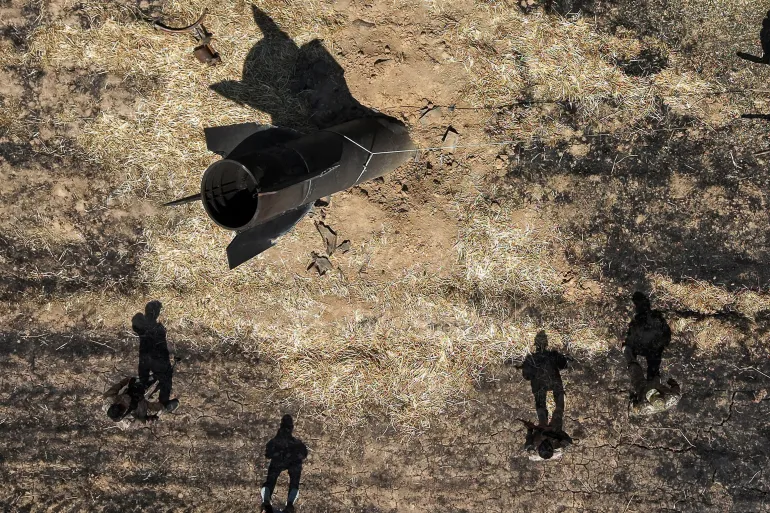
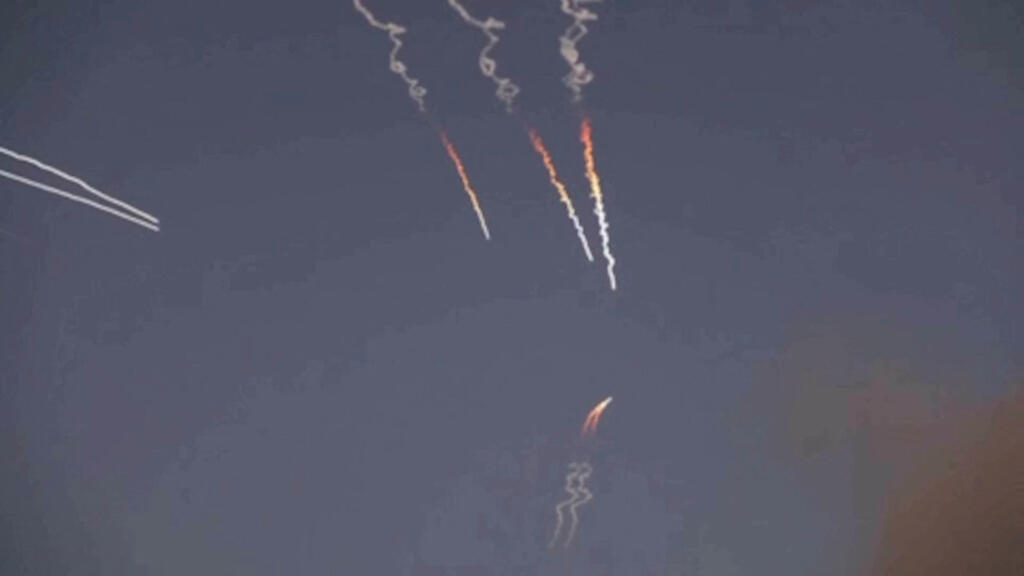
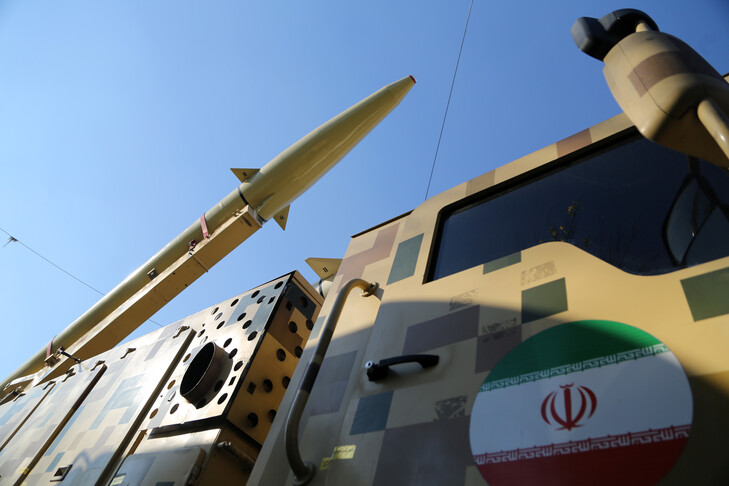
The Islamic Revolutionary Guard Corps (IRGC) provided specific details regarding the operation in Jordan. Its Aerospace Force launched a barrage of 12 ballistic missiles, directly targeting Al-Azraq Air Base. This base was identified as a primary site, along with other key facilities belonging to the US military within Jordan. The IRGC's statement asserted that the attack was highly successful, claiming to have completely destroyed facilities at the base. The Iranian military force made a significant claim that a large number of American fighter jets, including the F-35, F-15, and F-16 models known to be stationed there, were also destroyed during the precision operation. These claims, if confirmed, would represent a substantial blow to US military assets in the Middle East.
Retaliation for US Actions
The Islamic Revolutionary Guard Corps explicitly declared that these strikes were a direct response to recent US missile attacks. According to the IRGC, these US attacks reportedly targeted a recreational site, an industrial complex, and areas near Karaj and Nazarabad, located west of the Iranian capital, Tehran. The Iranian military force further specified that a local Revolutionary Guard base in Pishva County was also among the targets of these alleged US actions. The IRGC framed its missile launch as a necessary and proportional counter-response to these perceived infringements on Iranian sovereignty and security, emphasizing a policy of immediate retaliation for any aggression.
These developments unfolded amidst rapidly escalating tensions across the Middle East. This escalation followed a series of US strikes on southern Iran, which were then met with subsequent Iranian attacks that specifically targeted US military assets across the broader region. The exchange of strikes signals a dangerous cycle of retaliation between the two nations, with each side claiming to respond to the other's aggressive acts.
Broader Regional Strikes
Expanding on its claims of extensive military operations, the Islamic Revolutionary Guard Corps (IRGC) stated that its forces had earlier struck 18 major US military targets. These targets were located at the Ali Al Salem and Ahmad Al Jaber bases in Kuwait, indicating a wide geographical scope for its alleged operations. Additionally, the IRGC claimed to have targeted the Sheikh Isa base in Bahrain, further demonstrating its asserted reach across the Gulf. Iranian military statements also announced attacks aimed at Patriot air defense systems and critical communications facilities, suggesting an effort to degrade US defensive and command capabilities. The statements reported strikes against the US Fifth Fleet, which is also strategically located in Bahrain, noting a direct challenge to US naval presence in the Persian Gulf.
Future Intentions
Looking ahead, the Islamic Revolutionary Guard Corps (IRGC) stated unequivocally that its operations would persist. The Iranian military force indicated that these actions would continue without abatement as long as what it termed "enemy aggression" endures. This declaration serves as a warning that Iran views its recent actions as part of an ongoing response to perceived threats and is prepared to continue its military operations as long as it deems necessary to protect its interests and respond to any further provocations.