Iran launched ballistic missile strikes against a U.S.-used air base in Jordan and separately announced attacks targeting two U.S. Navy destroyers on Thursday. The Islamic Revolutionary Guard Corps (IRGC) stated these operations were in retaliation for U.S. Strikes on Iranian oil tankers. The IRGC identified the targeted base in Jordan as Al-Azraq, and announced Iranian forces targeted two U.S. Navy guided-missile destroyers, identified as DDG-119 and DDG-53. An IRGC statement declared, "This confrontation will continue until the enemy’s attacks are halted, and the battle will continue until then." The IRGC also issued a warning, stating, "We warn all crews aboard oil tankers in the vicinity of ports in Kuwait and Bahrain — which host these (American) terrorists and are partners in their hostile actions — to immediately leave their vessels, whether they are at anchor or docked at the ports, as the vessels will be targeted."
The series of aggressive actions by Iran has significantly escalated tensions in the region, drawing strong condemnation and warnings from U.S. Officials. The IRGC's statements explicitly linked their missile strikes and naval targeting to previous U.S. Military actions, framing their operations as direct retaliation. This tit-for-tat dynamic shows a dangerous trajectory in the ongoing confrontation between Tehran and Washington. The scope of the Iranian operations, encompassing both land-based missile attacks and naval engagements, indicates a broad and coordinated response.
Missile Barrage on Jordan
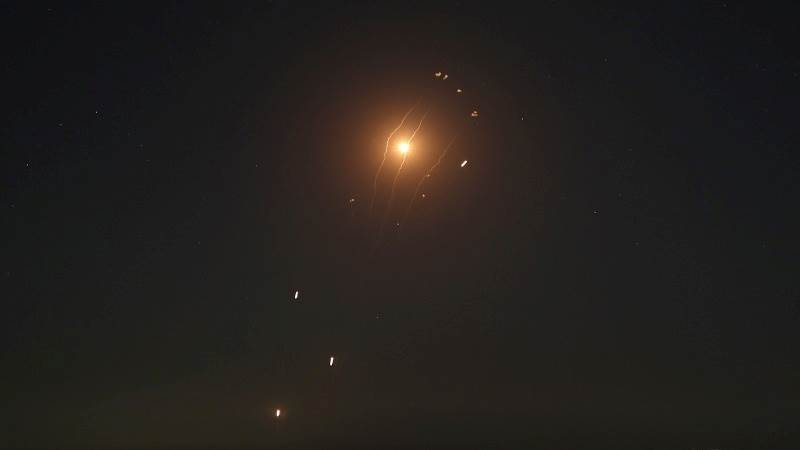
The Islamic Revolutionary Guard Corps (IRGC) stated that ballistic missiles targeted facilities housing U.S. F-35, F-16, and F-15 aircraft at a base in Jordan. The IRGC specifically identified the base in Jordan as Al-Azraq. Iran’s Fars News Agency further reported that Iranian attacks specifically targeted the Muwaffaq Salti and Prince Hassan air bases in Jordan, indicating a multi-pronged assault on U.S.-affiliated installations within the Hashemite Kingdom. Israeli Channel 14 also reported direct hits on a U.S. Military base located within Jordan, corroborating aspects of the Iranian claims from an independent source.
The Jordanian military confirmed that 20 ballistic missiles were launched toward the country, with most of them claimed to have been intercepted before reaching their targets. This interception effort notes the defensive measures in place to counter such aerial threats, though the sheer volume of missiles launched demonstrates the scale of the Iranian offensive. The IRGC's decision to target an air base housing advanced U.S. Fighter jets suggests a deliberate attempt to challenge American air superiority and presence in the region. The precision and intent behind these strikes are under close scrutiny by international observers, as they represent a significant escalation from previous proxy engagements.
The IRGC issued a strong warning alongside these strikes, stating, "This confrontation will continue until the enemy’s attacks are halted, and the battle will continue until then." This declaration signals Iran's intent to maintain pressure until its demands regarding U.S. Actions are met. Additionally, the IRGC directly addressed maritime operations, declaring, "We warn all crews aboard oil tankers in the vicinity of ports in Kuwait and Bahrain — which host these (American) terrorists and are partners in their hostile actions — to immediately leave their vessels, whether they are at anchor or docked at the ports, as the vessels will be targeted." This explicit threat against commercial shipping in vital waterways adds another layer of complexity and risk to an already volatile situation.
Naval Confrontations and Warnings
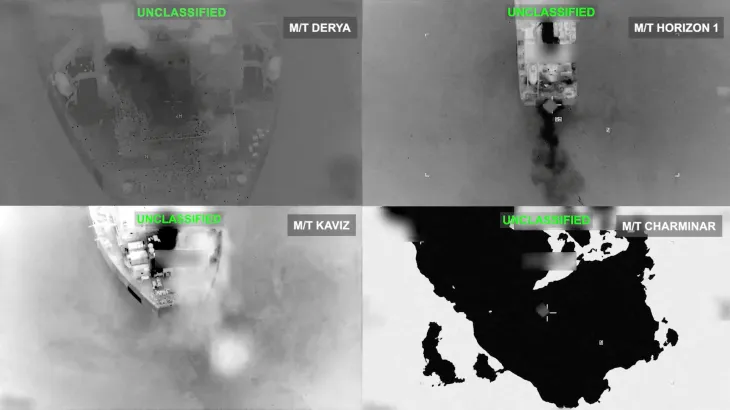
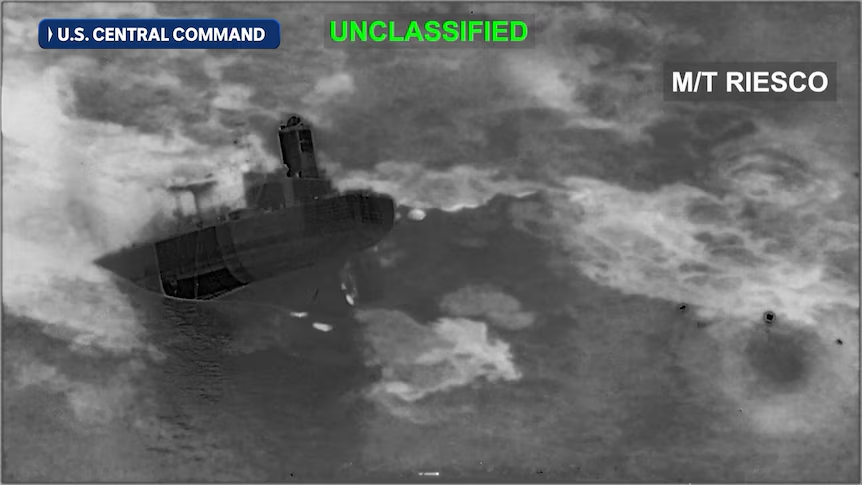
The Islamic Revolutionary Guard Corps (IRGC) claimed its attacks inflicted "significant damage" on both targeted U.S. Navy destroyers, identified as DDG-119 and DDG-53. These Iranian actions followed U.S. Central Command (CENTCOM) strikes on five Iranian crude oil tankers on Tuesday, with four hit in the Gulf of Oman and one near Kharg Island in the Persian Gulf. Washington stated that these operations came after two Iranian attempts to strike a U.S. Navy warship using ballistic missiles, providing context for the U.S. Decision to target Iranian oil assets. The IRGC's retaliatory strikes against U.S. Naval vessels indicate a direct response to what it perceives as aggression against its maritime economic interests.
The naval dimension of this confrontation is particularly concerning given the strategic importance of the Persian Gulf and the Strait of Hormuz for global oil transit. The IRGC Navy issued a warning to crews aboard oil tankers near Kuwait and Bahrain, instructing them to leave their vessels. "We warn all crews aboard oil tankers in the vicinity of ports in Kuwait and Bahrain — which host these (American) terrorists and are partners in their hostile actions — to immediately leave their vessels, whether they are at anchor or docked at the ports, as the vessels will be targeted," the IRGC stated. This warning extends the potential conflict beyond military assets to commercial shipping, raising fears of disruption to international trade and energy supplies. The IRGC also declared, "This confrontation will continue until the enemy’s attacks are halted, and the battle will continue until then," reinforcing their commitment to sustained engagement.
Separately, the IRGC Navy announced the capture of a U.S. Unmanned underwater vehicle near the entrance to the Strait of Hormuz. Iran's Tasnim news agency identified the captured vehicle as a Dive-LD autonomous underwater vehicle, manufactured by Anduril Industries. The seizure of such advanced U.S. Military technology by Iran could have implications for intelligence gathering and technological understanding, further complicating the regional security landscape. This incident shows the diverse and multifaceted nature of the ongoing military and technological competition between the two nations in critical maritime zones.
Retaliation and Escalation
The Iranian Army announced it had shot down a U.S. MQ-1 drone over Bandar Abbas. This incident added to the ongoing tensions in the region, demonstrating Iran's capability and willingness to engage U.S. Aerial assets. The downing of an unmanned aerial vehicle (UAV) represents another direct military interaction, further illustrating the heightened state of alert and potential for miscalculation in the area. Such events contribute to a cycle of action and reaction that risks spiraling into a broader conflict.
U.S. Secretary of State Marco Rubio addressed the situation, stating that the U.S. Would respond forcefully to Iranian attempts to target American naval vessels. Secretary Rubio warned, "Iran continues to try to hit US naval ships and for every time they do that, or try to do that, they’re going to lose tankers." His statement indicated a clear U.S. Stance on potential retaliation against Iranian maritime assets should attacks on naval ships persist. This warning from a high-ranking U.S. Official suggests a firm resolve to protect American interests and deter further aggression, signaling that the U.S. Is prepared to escalate its response in kind. The explicit threat of targeting Iranian oil tankers directly links U.S. Retaliatory actions to Iran's primary economic lifeline, setting the stage for potentially severe economic consequences for Tehran if the confrontation continues.