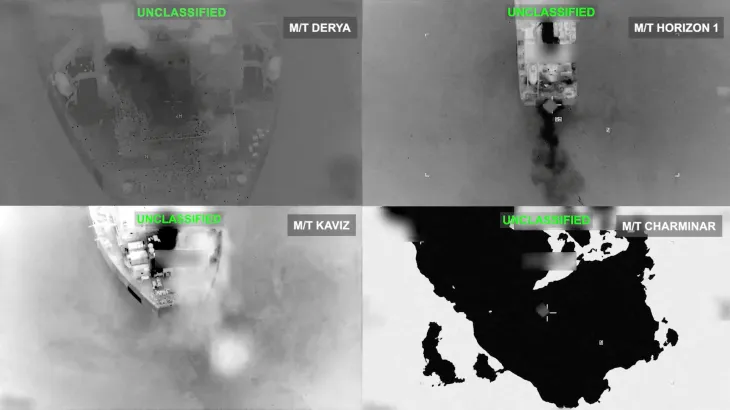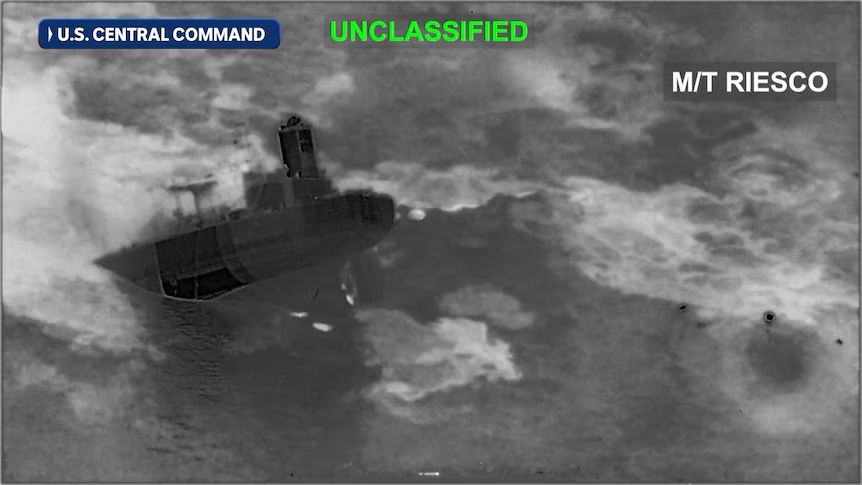
The US military destroyed five Iranian oil tankers on Tuesday, local time, prompting immediate retaliation from Tehran. Following this action, Iran announced it had struck American targets in Jordan and attacked 10 ships within the Strait of Hormuz. Iran's Revolutionary Guard further stated that it fired ballistic missiles at a base in Jordan utilized by the US military, escalating tensions in the region. This swift response from Iran marked a significant escalation in the ongoing conflict, directly targeting US assets and interests in the Middle East. The attacks show the volatile nature of the current geopolitical landscape and the potential for rapid military responses.
Jordanian Defenses Intercept Missiles
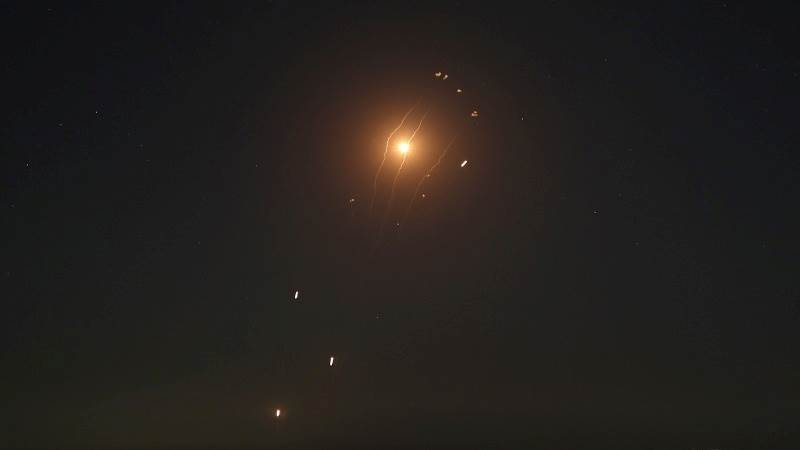
Jordan's military stated its air defense systems intercepted 18 ballistic missiles launched towards its territory. Authorities in Jordan confirmed that its air defenses successfully intercepted 18 of the 20 Iranian missiles. The remaining two missiles reportedly fell in unpopulated areas within Jordan, resulting in no casualties or damage. This successful interception by Jordanian forces noted the effectiveness of their air defense capabilities in protecting the kingdom's territory from external threats. The incident demonstrated Jordan's readiness to defend its sovereignty against missile attacks, preventing potential harm to its population and infrastructure. The precise targeting of the base by the Revolutionary Guard further showed the deliberate nature of the Iranian retaliation.
Strait of Hormuz Attacks Detailed
Iran's Revolutionary Guard announced it attacked 10 ships in the Strait of Hormuz, including two US vessels and eight oil tankers. This declaration from the Revolutionary Guard detailed the scope of their maritime operations following the US military's destruction of Iranian oil tankers. A maritime security source reported a liquefied natural gas tanker sustained damage in the Emirati port of Khor Fakkan, indicating the breadth of the attacks beyond the immediate strait. The Strait of Hormuz is a critical waterway through which approximately one-fifth of the world's oil transited before the conflict began, making any disruption here globally significant. The Revolutionary Guard's statement did not specify the exact nature of the attacks or the extent of the damage to the vessels, leaving many details unclear. Further details regarding the incidents in the vital shipping lane remain limited, contributing to uncertainty in global markets. The attacks highlight the strategic importance of the Strait of Hormuz for global energy markets and its vulnerability during periods of heightened regional tension, posing a direct threat to international maritime commerce. The targeting of both US vessels and commercial oil tankers signals Iran's intent to impact both military and economic interests in response to perceived aggressions.
Regional Tensions and Oil Market
Iran has targeted US assets and allies in the region throughout the six-month war, including in Jordan on several occasions. One such strike in July resulted in the deaths of at least two US military personnel, demonstrating the deadly consequences of these confrontations. These ongoing regional tensions have influenced global markets, particularly the energy sector. Oil prices extended gains in early trade on Wednesday, with Brent crude nearing $US100 a barrel. The increase in oil prices reflects market concerns over supply disruptions following the reported attacks in the Strait of Hormuz and the broader escalation of hostilities in the Middle East. The six-month duration of the conflict shows the sustained nature of the instability in the region, with each new incident adding to market volatility and geopolitical unease. The repeated targeting of US interests in Jordan indicates a persistent pattern of Iranian actions aimed at challenging American presence and influence.
US Response and Future Outlook
A US official stated that Iran's strikes in Jordan were ineffective and confirmed all American troops were accounted for, minimizing the perceived impact of the Iranian retaliation on US personnel. The US military's Central Command released video footage of strikes it described as a response to Iran's Islamic Revolutionary Guard Corps targeting a US Navy warship twice with ballistic missiles over the preceding two days. This video evidence served to justify the US military's own actions and to demonstrate its capability to respond to Iranian aggression. The Central Command's statement noted the ongoing naval confrontations, indicating that the recent US destruction of Iranian tankers was also part of a retaliatory cycle. The exchange of strikes and counter-strikes between the US and Iran signals a dangerous trajectory, with each action potentially leading to further escalation. The international community watches closely as both sides navigate these heightened tensions, with the potential for broader regional conflict remaining a significant concern.