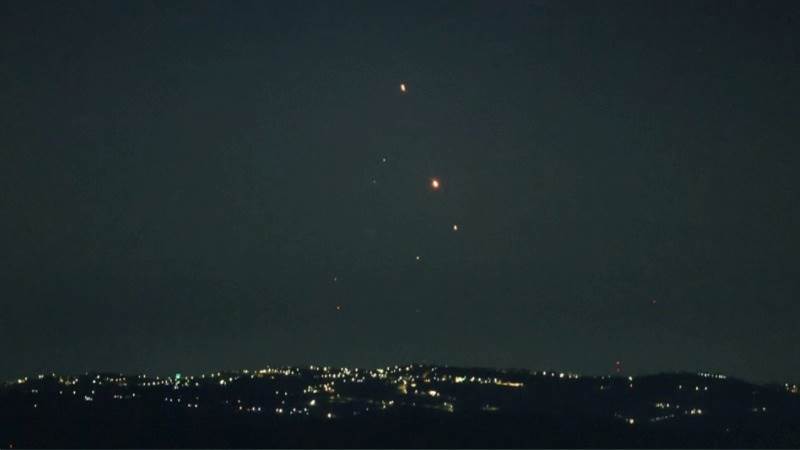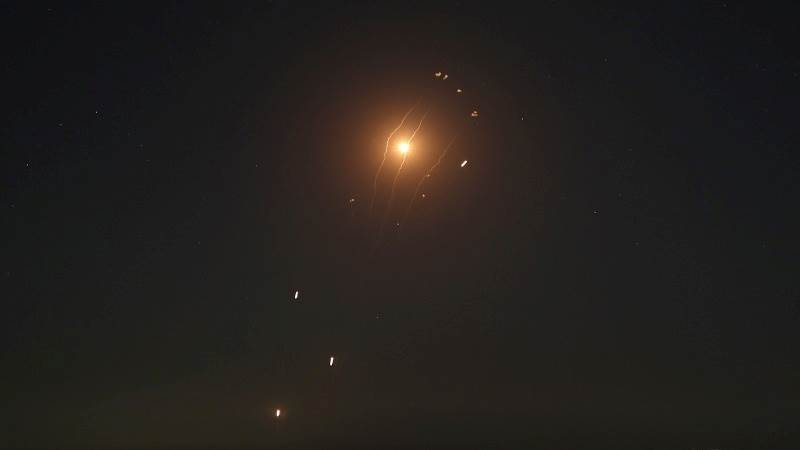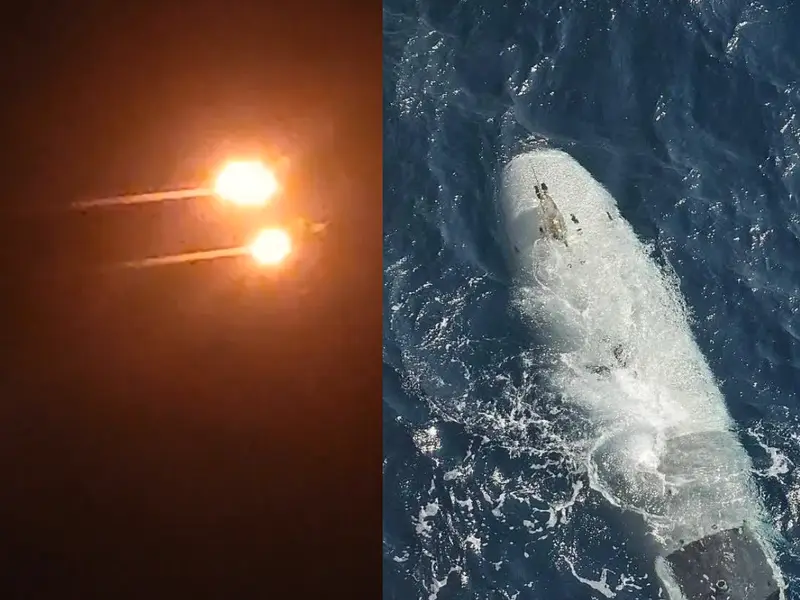
Iran launched missiles targeting Jordan on Wednesday, September 9, 2026, with the projectiles originating from Iranian territory. The attack specifically targeted Muwaffaq Salti Air Base, a facility known to be utilized by US forces. The precise intent behind the strikes remains unclear, but the launch marks a significant escalation in regional tensions, drawing immediate international concern regarding stability in the Middle East. This direct missile strike from Iranian soil against a neighboring country represents a critical development in the ongoing geopolitical tensions in the region.
Missile Barrage on Jordan
Iran's Revolutionary Guards claimed responsibility for targeting Muwaffaq Salti Air Base in Jordan. The base is known for its use by US forces, making it a strategic target in the context of broader regional rivalries. The Iranian Revolutionary Guards' explicit claim of responsibility shows the deliberate nature of the strike and signals a direct challenge.
Jordan's army stated its air defense systems engaged 20 ballistic missiles launched toward Jordanian territory. This defensive action was initiated swiftly to protect Jordanian airspace and ground assets. The intensity of the barrage, with 20 missiles detected, notes the scale of the Iranian operation. Jordan's army confirmed the engagement, reporting that 18 missiles were intercepted and destroyed. This high rate of interception demonstrates the effectiveness of Jordan's air defense capabilities in neutralizing the immediate threat. The remaining two missiles fell in unpopulated areas within Jordan, causing no reported casualties or significant damage to infrastructure.
A statement from Jordan's army elaborated on the defensive actions. "Jordan's air defense systems engaged 20 ballistic missiles launched toward Jordanian territory, successfully intercepting and destroying 18 of them, while two missiles fell in unpopulated areas," the army stated. This detailed account provided by the Jordanian military confirms the nature of the attack and the successful defensive measures taken. The successful interception of the majority of the incoming projectiles prevented significant impact on populated regions or military installations, averting a potentially far more destructive outcome. The incident marks a direct confrontation involving missile fire from Iranian territory aimed at Jordanian soil, raising questions about the rules of engagement and the potential for further escalation. The fact that the missiles originated from Iran, as confirmed by Jordanian authorities, places direct responsibility on Tehran for the aggression. The targeting of a base used by US forces further complicates the situation, potentially drawing the United States into a more direct confrontation.
US Strikes on Iranian Tankers
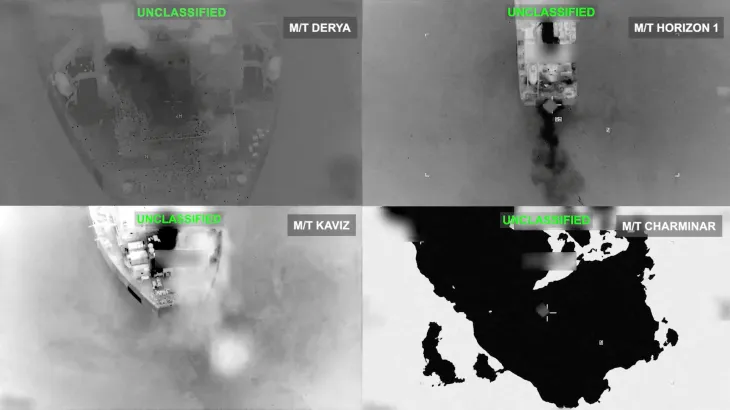
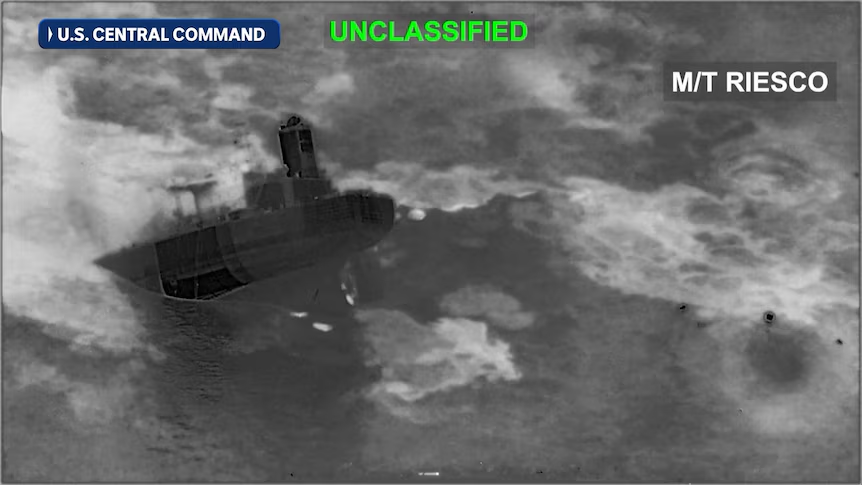
US forces struck five Iranian tankers linked to the Islamic Revolutionary Guard Corps (IRGC) on Tuesday, September 8, 2026. These strikes occurred just one day prior to Iran's missile attack on Jordan, indicating a rapid sequence of retaliatory actions in the region. The US military stated these strikes were executed in response to Iran's attempted missile attacks on US Navy warships, framing their actions as a defensive measure against Iranian aggression at sea.
The operations involved US forces targeting four crude oil carriers located in the Gulf of Oman. The Gulf of Oman is a critical maritime route for global energy supplies, and targeting vessels in this area carries significant implications for international shipping and oil markets. Additionally, a fifth crude oil carrier was struck near Kharg Island, situated in the Persian Gulf. Kharg Island is a major oil terminal for Iran, and strikes in its vicinity signal a direct economic pressure point. The selection of these targets shows the US intent to disrupt Iranian oil exports and revenue streams, which are vital to the IRGC's operations.
Prior to initiating the strikes, US forces issued instructions for the crews of the targeted vessels to abandon ship. This action aimed to ensure the safety of personnel on board the tankers before the strikes commenced, indicating a deliberate effort by the US military to minimize human casualties despite the aggressive nature of the operation. This protocol reflects a strategic decision to target assets rather than personnel, while still delivering a clear message of deterrence. The coordinated strikes show a direct US response to perceived Iranian aggression against its naval assets, demonstrating a willingness to use force to protect its interests and personnel in the Middle East. The incidents occurred a day before Iran launched missiles targeting Jordan, marking a period of heightened military engagement in the region and suggesting a rapidly escalating cycle of action and counter-action between Iran and US-aligned forces.
Drone Capture and US Response
Adding another layer to the regional tensions, Iran's Islamic Revolutionary Guard Corps (IRGC) claimed it captured a US uncrewed submarine at the entrance to the Strait of Hormuz. The Strait of Hormuz is a narrow, strategically vital waterway connecting the Persian Gulf to the open ocean, through which a significant portion of the world's oil supply passes. The IRGC's claim of capturing a US underwater drone in this critical chokepoint raises concerns about maritime security and surveillance in the area.
Iranian state media reported the captured vessel was a Dive-LD, built by Anduril. The identification of the specific model provides technical details about the drone involved in the incident. The Dive-LD submersible is 19-foot (5.8-meter) long, making it a substantial piece of underwater technology designed for various maritime missions. The capture of such an advanced uncrewed system by Iran represents a potential intelligence gain for Tehran and a loss for US naval operations.
A Pentagon spokesperson confirmed an underwater drone had encountered issues, stating the device "malfunctioned more than a day ago." This acknowledgement from the Pentagon provides an official US perspective on the incident, albeit one that attributes the drone's status to a technical failure rather than a successful capture operation. The spokesperson further elaborated on the drone's purpose and nature, seeking to downplay the significance of its loss. "It was surveying regional waters in support of ongoing operations," the Pentagon spokesperson said, indicating its role in broader US maritime surveillance efforts in the Middle East. The spokesperson also described the drone as an older model that did not collect sensitive data or carry classified equipment, attempting to mitigate concerns about potential intelligence breaches. "The defective drone was an older model that neither collected sensitive data nor carried any classified sonar or radar equipment," the Pentagon spokesperson added, reinforcing the message that the captured device held no significant strategic value. This narrative aims to minimize the impact of the drone's loss while acknowledging the incident.
Market Impact and Broader Context
The escalating military tensions in the Middle East have had an immediate and discernible impact on global energy markets. Oil prices rose for the fourth consecutive session, gaining more than $1 in early trade on Wednesday amid the escalating tensions. This sustained upward trend in oil prices reflects market apprehension about potential disruptions to supply from the volatile region. The Middle East is a primary source of global oil production, and any military conflict there can significantly affect supply chains and prices.
Brent crude futures, the international benchmark, increased by $1.57, or 1.6%, reaching $99.49 a barrel by 0001 GMT. This significant jump in Brent crude prices indicates a strong market reaction to the perceived increase in geopolitical risk. Concurrently, U.S. West Texas Intermediate (WTI) crude, the American benchmark, was quoted at $94.63 a barrel, marking an increase of $1.60, or 1.72%. The parallel rise in both major crude benchmarks shows the global nature of the market's response to the instability. The increases reflect market reactions to the recent military actions and heightened geopolitical instability in the Middle East, as traders price in the risk of supply interruptions or further escalation of hostilities. The Strait of Hormuz, where the US drone was reportedly captured, is a critical transit point for oil, and any threat to its stability immediately impacts global oil prices. The series of events, from US strikes on Iranian tankers to Iran's missile attack on Jordan, signals a dangerous period of heightened military activity that could have lasting economic repercussions globally.