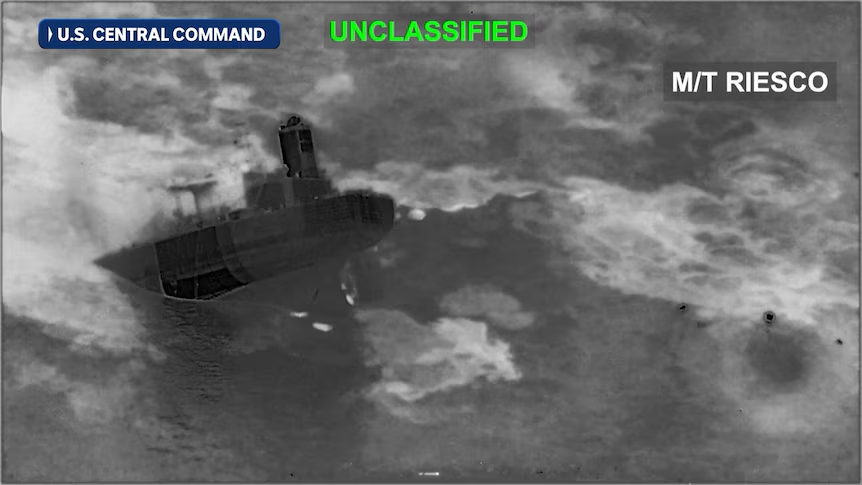
US Central Command (CENTCOM) struck and destroyed five Iranian crude oil tankers on Tuesday, according to reports. This action by US forces targeted key components of Iran's oil export infrastructure, escalating tensions in the region. The fifth tanker was hit near the oil-rich Kharg Island, a strategic location for Iran's petroleum industry. Ten of the vessels were reportedly targeted in the Persian Gulf, a vital waterway for global oil trade, while the other 10 were struck near the Strait of Hormuz, a critical choke point for maritime traffic. The operations show the ongoing military posturing between the United States and Iran.
US Strikes Iranian Tankers
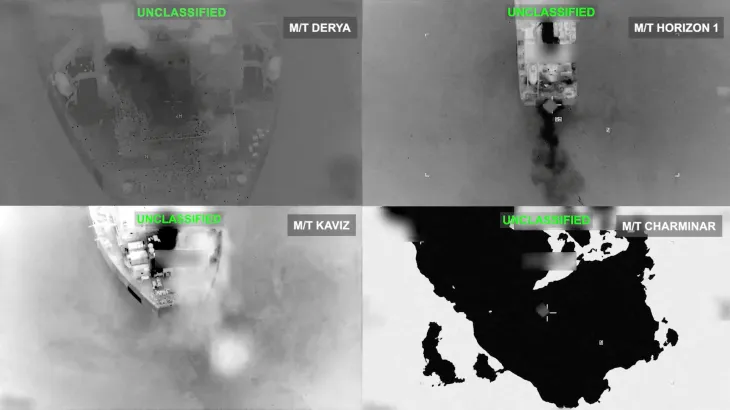
Four of the vessels targeted in the broader operation were struck in the Gulf of Oman, according to US Central Command (CENTCOM). These four ships were specifically identified by CENTCOM as the M/T Kaviz, M/T Charminar, M/T Horizon 1, and M/T Riesco. The explicit naming of these vessels by CENTCOM provides a detailed account of the targets involved in the US military's recent actions. The strikes were part of a larger action that included the destruction of five Iranian crude oil tankers, with some reports indicating a total of ten vessels targeted in the Persian Gulf and another ten near the Strait of Hormuz. The precision and scale of these operations highlight the US military's capability to disrupt Iran's maritime activities. CENTCOM confirmed that no American personnel sustained injuries during any of the operations related to these strikes, a detail that emphasizes the controlled nature of the military engagement. The absence of American casualties is often a key point emphasized by military commands following such operations. The US military has not yet provided further details regarding the specific nature of the attacks or the methods used to neutralize the tankers, leaving some aspects of the operation open to speculation.
Iran's Multi-Pronged Response
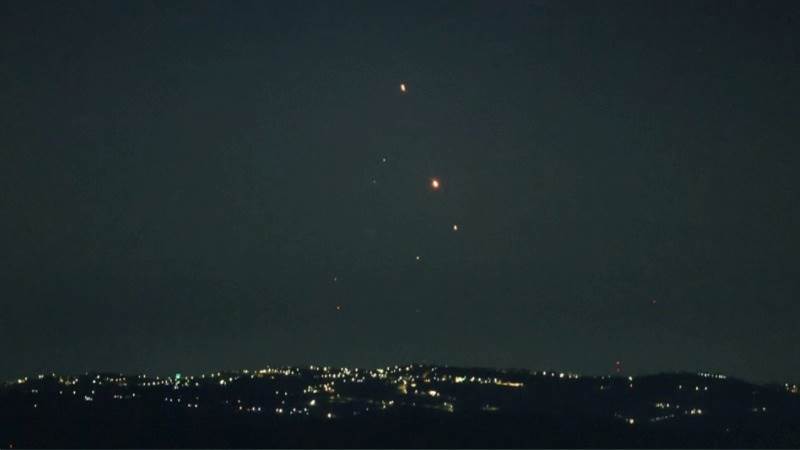
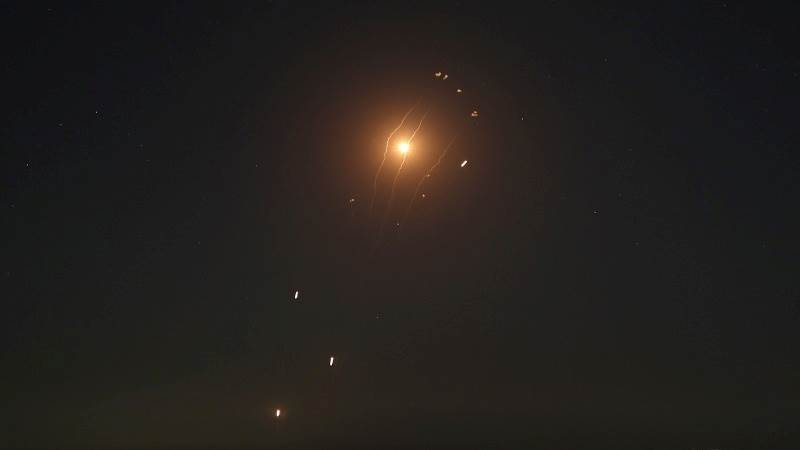
Iran launched a barrage of missiles at the US air base of Al-Azraq in Jordan. This direct assault on a US military installation in a neighboring country marks a significant escalation in the ongoing tensions. Jordan’s authorities reported that they successfully intercepted 18 of the 20 missiles launched by Iran, indicating a strong defensive posture against the incoming projectiles. The high interception rate by Jordanian air defenses demonstrates the effectiveness of their missile defense systems and their readiness to protect their sovereign territory. The missile strike on the Jordanian base marks a direct, retaliatory action by Iran following the US strikes on its oil tankers, clearly linking the two events as part of a tit-for-tat escalation.
Separately, the IRGC Navy on Tuesday claimed that it had captured a US unmanned submersible near the entrance to the Strait of Hormuz. This incident suggests a broader strategy by Iranian forces to challenge US military presence and operations in the region's critical waterways, extending beyond missile strikes to naval engagements. The capture of an unmanned vehicle could be interpreted as a move by Iran to demonstrate its capabilities in electronic warfare or naval interdiction. A US Central Command official subsequently confirmed that an American underwater drone had “malfunctioned and gone missing a day ago,” providing a US perspective on the reported capture. This acknowledgment from CENTCOM aligns with the IRGC Navy's claim of having secured a US submersible, though it offers a different explanation for the drone's status. The discrepancy in narratives notes the information warfare aspects of the ongoing confrontation.
New US Sanctions on Iran
Iranian media reported that the IRGC Navy retaliated by attacking 20 vessels, including two US ships. This claim from Iranian sources suggests a more extensive and aggressive response from Tehran than confirmed by US or allied forces, indicating a potential for misinformation or a different interpretation of events. The Trump administration, on Tuesday local time, imposed fresh sanctions on Iran’s aviation sector, targeting more than two dozen commercial and private airlines along with foreign cargo service providers. These new sanctions aim to further cripple Iran's ability to conduct international trade and transport, especially concerning its military and illicit activities. Officials stated the latest sanctions target remaining parts of Tehran’s beleaguered aviation network, which has long been suspected of being used for purposes beyond civilian transport. The administration accused 36 entities of supporting Iran’s efforts to use its aviation sector to transport weapons, personnel, and illicit cargo, showing the perceived dual-use nature of these operations. It was further alleged that private companies located in Turkey, the United Arab Emirates, Kazakhstan, and Malaysia provided parts and logistical support to Mahan Air, which is already under US sanctions. This notes the international network that Iran allegedly uses to circumvent existing restrictions and sustain its aviation operations, drawing attention to potential complicity from companies in various countries. The involvement of these foreign entities complicates enforcement efforts and broadens the scope of the US's economic pressure campaign against Iran.