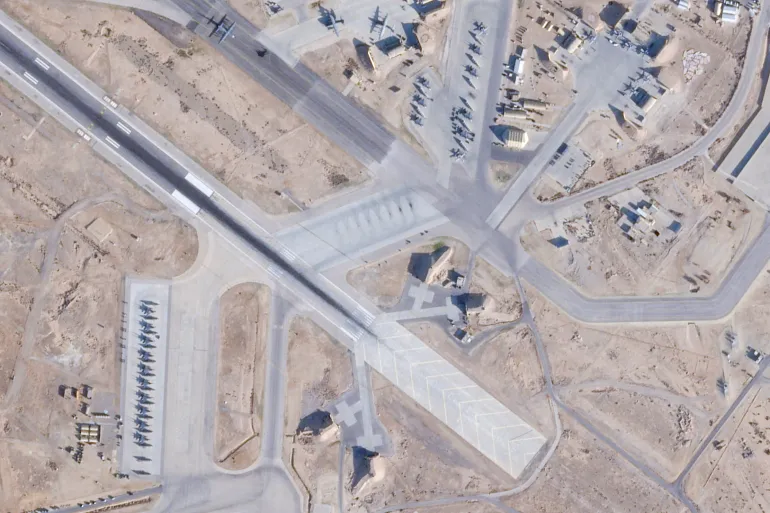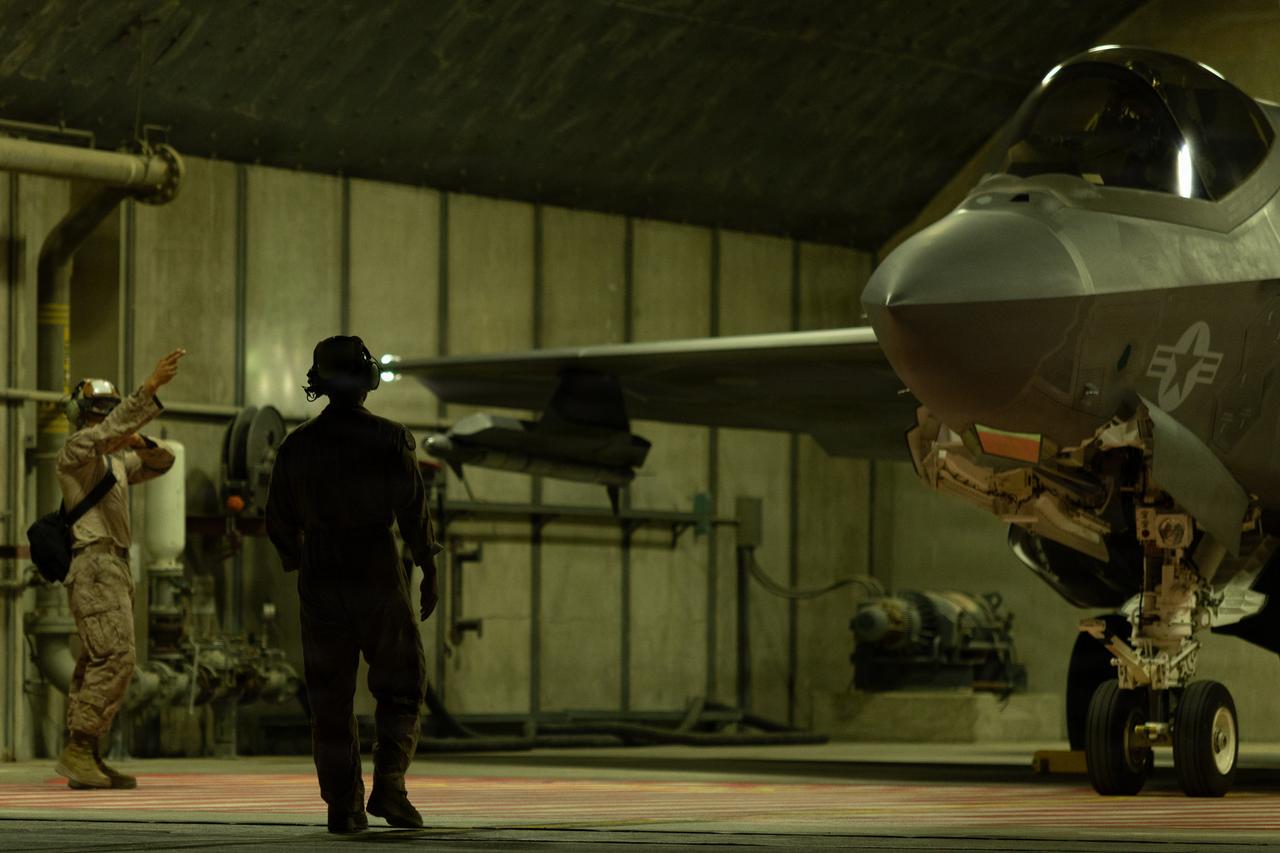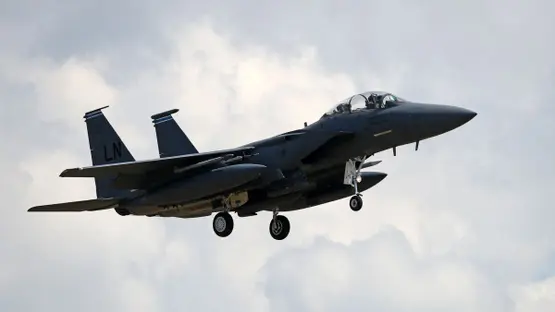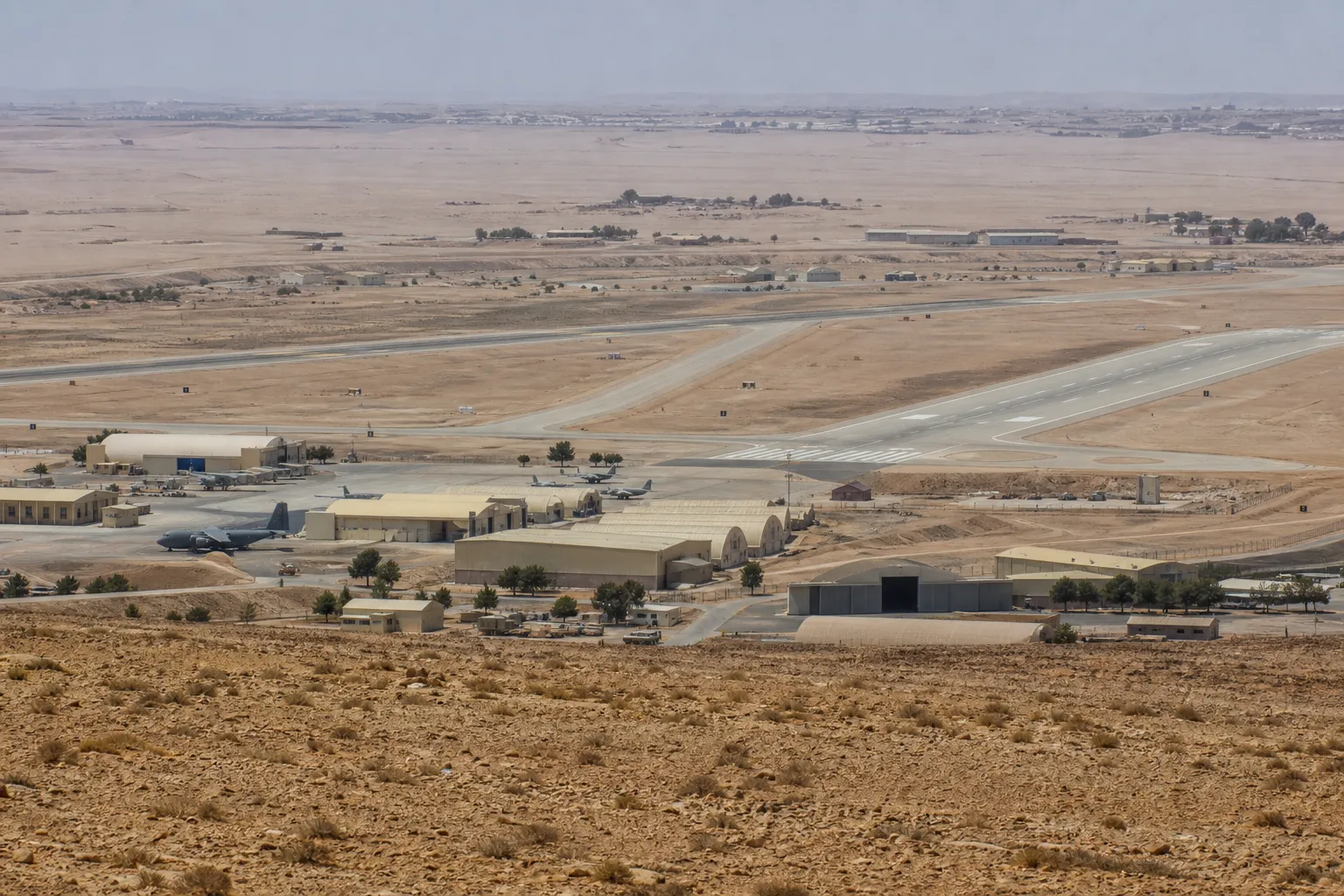
US officials have linked high-resolution satellite imagery provided by Chinese entities to Iran's missile strike on Muwaffaq Salti Air Base in Jordan on July 17. The attack resulted in the deaths of three US service members and injuries to four others. Ballistic missiles struck a residential area on the base's territory during the incident, which marked a significant escalation in regional tensions. The use of such advanced targeting information by Iranian forces has raised serious concerns among US defense and intelligence communities.
Imagery Provided to Iran
Tehran reportedly received these images both before and after the July 17 attack, according to US officials. The officials did not disclose the names of the Chinese imagery suppliers involved in providing this data, emphasizing the sensitive nature of the intelligence. The specific type of imagery, described as high-resolution satellite data, would have provided Iranian forces with precise geographical and structural details of the air base, potentially aiding in target selection and missile trajectory planning. US officials are additionally concerned that Chinese data, specifically satellite intelligence, could assist Tehran in identifying targets among US military ships operating in the region, posing a direct threat to naval assets. This concern extends to the broader implications for maritime security and the safety of US personnel in international waters.
US Raises Concerns
Senior US officials raised the issue with their Chinese counterparts regarding the imagery, according to US officials familiar with the discussions. These high-level diplomatic exchanges showed the gravity of the situation and the potential for broader geopolitical ramifications. During these discussions, Chinese counterparts denied the allegations and demanded evidence from the US officials to substantiate the claims. China’s Foreign Ministry subsequently issued a statement, accusing unnamed parties of attempting to link Beijing to the conflict, without specifying which parties or conflicts were being referenced. Washington did not accuse Beijing of direct involvement in the specific attack on Muwaffaq Salti Air Base, but rather focused on the provision of critical intelligence. Despite the denials, US officials continue to express concern that Chinese data, particularly high-resolution satellite imagery, could aid Tehran in identifying targets among US military ships operating in the region, thereby increasing the risk of future attacks.
Broader Implications
The Wall Street Journal characterized the information as the clearest indication yet that Chinese assistance to Iran during the war had lethal consequences for US military personnel. This assessment notes the direct link between the provision of intelligence and the tragic loss of American lives. This development emerged several weeks before the planned September 24 meeting between US President Donald Trump and Chinese President Xi Jinping, adding a layer of complexity to already strained bilateral relations. The US administration had sought to avoid publicly escalating relations with China, a move that could have jeopardized the upcoming summit, which was intended to address a range of economic and diplomatic issues. The revelation of China's alleged role in providing imagery to Iran, however, introduced a significant security dimension to the diplomatic agenda. In May, the United States previously imposed sanctions on three Chinese companies over the sale of imagery to Iran, indicating prior concerns regarding such transactions and a pattern of behavior that US officials have been monitoring. These earlier sanctions show a persistent issue regarding the transfer of sensitive technology and intelligence from Chinese entities to Iran, which US officials view as a destabilizing factor in the Middle East.