The United States is considering a "massive attack" on Iran, with former President Donald Trump stating he is close to making a decision on an action he described as "bigger than ever before." This development comes as Jordan, Bahrain, and Kuwait have reported retaliatory missile and drone attacks originating from Iran. The potential US response follows a series of regional escalations that have drawn international attention and heightened global anxieties.
Mr. Trump indicated that the decision regarding a significant military action against Iran is imminent. The reports from Jordan, Bahrain, and Kuwait show the heightened tensions in the region, with these nations confirming that they were targeted by missile and drone strikes. These incidents highlight the precarious security situation and the potential for wider conflict in West Asia. The international community is closely monitoring these developments, with many leaders expressing concern over the rapidly deteriorating stability.
Iranian Retaliation and US Threats
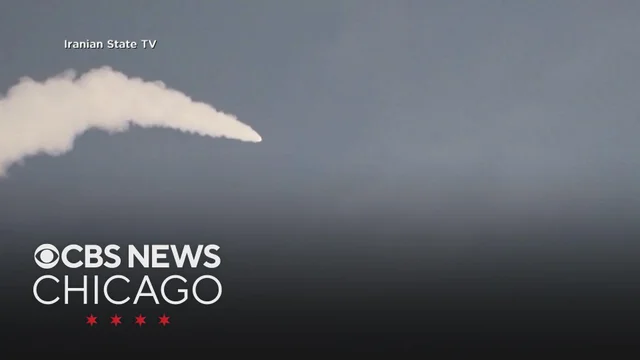
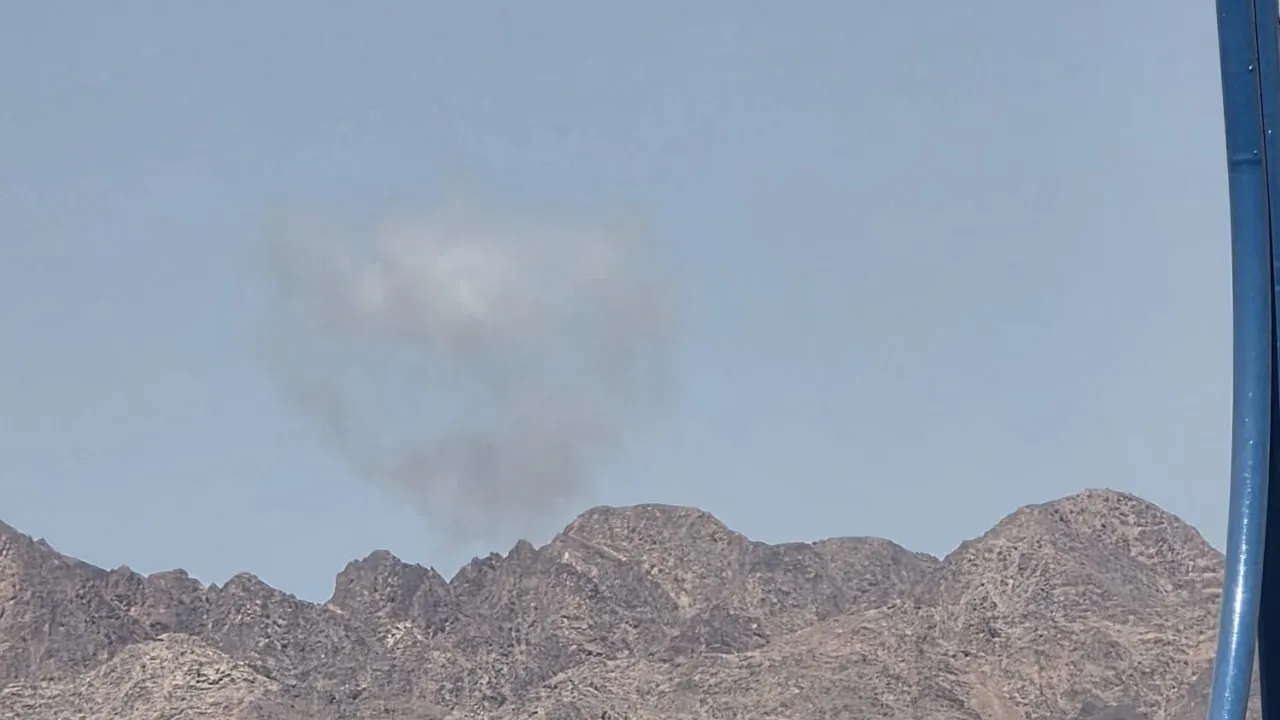
The attacks from Iran occurred after a 12th consecutive day of American strikes. US President Donald Trump informed Axios that he is seriously considering restarting major combat operations against Iran, stating that Tehran "haven’t received enough pain yet." Trump reportedly said, "I am considering a massive attack. Bigger than ever before. I am close to making a decision. We are all set for it." This declaration signals a significant shift in US policy and could mark a dramatic escalation in the ongoing regional conflict. One of the Iranian attacks specifically targeted Kuwait’s Al-Abdali border crossing with Iraq, a strategic location that shows the breadth of the recent Iranian actions. The implications of such an attack, if carried out, would undoubtedly reverberate across the global geopolitical landscape.
Regarding potential allies, Trump claimed that Israel "would join in two minutes if I ask them to," but then added, "We don’t need anybody." This statement suggests a desire for unilateral action while also acknowledging the potential for broader regional involvement. However, Trump also suggested there would be "consequences" if Israel joined the attacks, appearing to reference possible Iranian retaliation against Israel. This notes the complex web of alliances and rivalries that characterize the region, where any action by one party can trigger a chain reaction from others. The US president further claimed that Iranian officials "want to negotiate" but were not currently prepared to reach a deal, painting a picture of diplomatic impasse amidst military posturing. This assessment suggests a deep-seated distrust and a lack of common ground for de-escalation through dialogue at present.
In response to the escalating situation, the US State Department has issued an advisory for American citizens in West Asia. The advisory urges them to be prepared for emergency travel situations due to potential flight cancellations and disruptions to air travel resulting from the Iran conflict. This advisory shows the serious nature of the current tensions and the potential impact on civilian movement and safety in the region. Separately, an Israeli drone strike has wounded several paramedics in southern Lebanon, adding another layer of complexity and humanitarian concern to the already volatile environment. These incidents demonstrate the wide-ranging and often unpredictable nature of the current hostilities, affecting not only combatants but also aid workers and civilians.
Regional Diplomacy and International Concerns
Oman’s foreign minister, Badr Albusaidi, has discussed efforts to halt ongoing fighting and compel all parties to return to negotiations with his UK counterpart, Ed Miliband. Their discussions also covered restoring free and safe navigation in the Strait of Hormuz, a critical waterway for global oil shipments. The importance of the Strait of Hormuz cannot be overstated, as disruptions there could have severe economic repercussions worldwide. UN Secretary-General Antonio Guterres warned that an "alarming disregard for international law" is fueling worsening crises across the Middle East. Guterres stated that the situation "is getting out of control. It is teetering on the edge of the unimaginable." He called for navigational rights around the Strait of Hormuz and Bab al-Mandeb to be "fully restored," emphasizing the necessity of upholding international maritime law for regional and global stability.
Regarding Gaza, Guterres noted that despite a ceasefire, civilians continue to bear a heavy cost, with killings persisting "as Israel increases its control of Gaza" and conditions remaining "intolerable." This grim assessment notes the ongoing humanitarian crisis in the territory, even amidst efforts to de-escalate broader conflicts. In the occupied West Bank, Guterres warned of "creeping annexation," violence, and "large-scale displacement," pointing to a deteriorating human rights situation that further exacerbates regional instability. The Secretary-General's comments reflect a deep concern for the human cost of these protracted conflicts and the urgent need for international intervention to protect civilian populations.
The Gulf Cooperation Council and Jordan issued a joint statement condemning Iran’s continued attacks, calling them "a clear act of aggression that violates the United Nations Charter and international law." This unified denouncement from key regional players shows the widespread concern over Iran's actions and their potential to destabilize the entire region. The seven countries signing the statement affirmed their inherent right to self-defence, whether individually or collectively, in accordance with Article 51 of the Charter of the United Nations. This assertion of self-defence rights signals a readiness to respond to further aggression and notes the serious security implications for the signatory nations. Sultan Haitham bin Tariq Al Said of Oman and French President Emmanuel Macron also discussed the latest regional developments during a phone call, indicating the international diplomatic efforts underway to address the crisis. These high-level discussions reflect the global impact of the escalating tensions and the search for diplomatic solutions to prevent a wider conflict.
Economic Strain and Potential Collusion
Iran’s economic challenges are expected to persist as long as power remains concentrated among “powerful groups” possessing both political influence and economic strength, according to Majidreza Hariri, president of the Iran-China Chamber of Commerce and Industry. This assessment comes as Iran’s economy faced significant difficulties even before the United States and Israel launched their conflict with Iran on February 28. Decades of sanctions imposed by Washington have severely damaged the Iranian economy, contributing to its ongoing struggles and limiting its capacity for recovery. These economic pressures undoubtedly play a role in the country's strategic decisions and its approach to regional conflicts.
Meanwhile, US intelligence agencies are investigating potential Russian assistance to Iran in locating and striking CIA facilities within the Gulf region. This includes examining whether Russia aided Iran in identifying the US embassy in Saudi Arabia as a target. The implications of such collusion, if proven, would be profound, suggesting a deeper level of cooperation between Iran and Russia that could significantly alter the geopolitical landscape. Reports detailing Iran’s targeting of CIA sites first emerged early in the US-Israel conflict, with both The Washington Post and CNN citing sources that described Russian involvement in pinpointing US personnel and assets in the Gulf. This alleged collaboration raises serious questions about intelligence sharing and military coordination between these nations, further complicating the already tense regional dynamics.
Devastation in Gaza and Reconstruction Needs
A new report by Oxfam, the Palestine Economic Policy Research Institute (MAS), and PalTrade indicates that human development in Gaza has been set back by 77 years. This staggering figure illustrates the catastrophic long-term impact of the conflict on the lives and prospects of the Palestinian people in Gaza. Rebuilding Gaza is projected to cost seven times more than all previous reconstruction efforts combined over the past two decades, noting the unprecedented scale of destruction and the immense financial commitment required for recovery. More than two years of conflict have resulted in at least 73,000 Palestinian deaths, 173,000 injuries, and the displacement of 1.9 million people, painting a grim picture of the humanitarian catastrophe unfolding in the territory. Gaza requires an estimated $71.4 billion for recovery, a figure assessed in April by the UN-EU-World Bank Rapid Damage and Needs Assessment. This substantial sum shows the urgent and massive international effort needed to address the devastation and provide basic necessities for the population. The long-term implications of such widespread destruction on infrastructure, economy, and social fabric will be felt for generations, making recovery a monumental task that extends far beyond immediate humanitarian aid.